
Last updated November 24, 2026
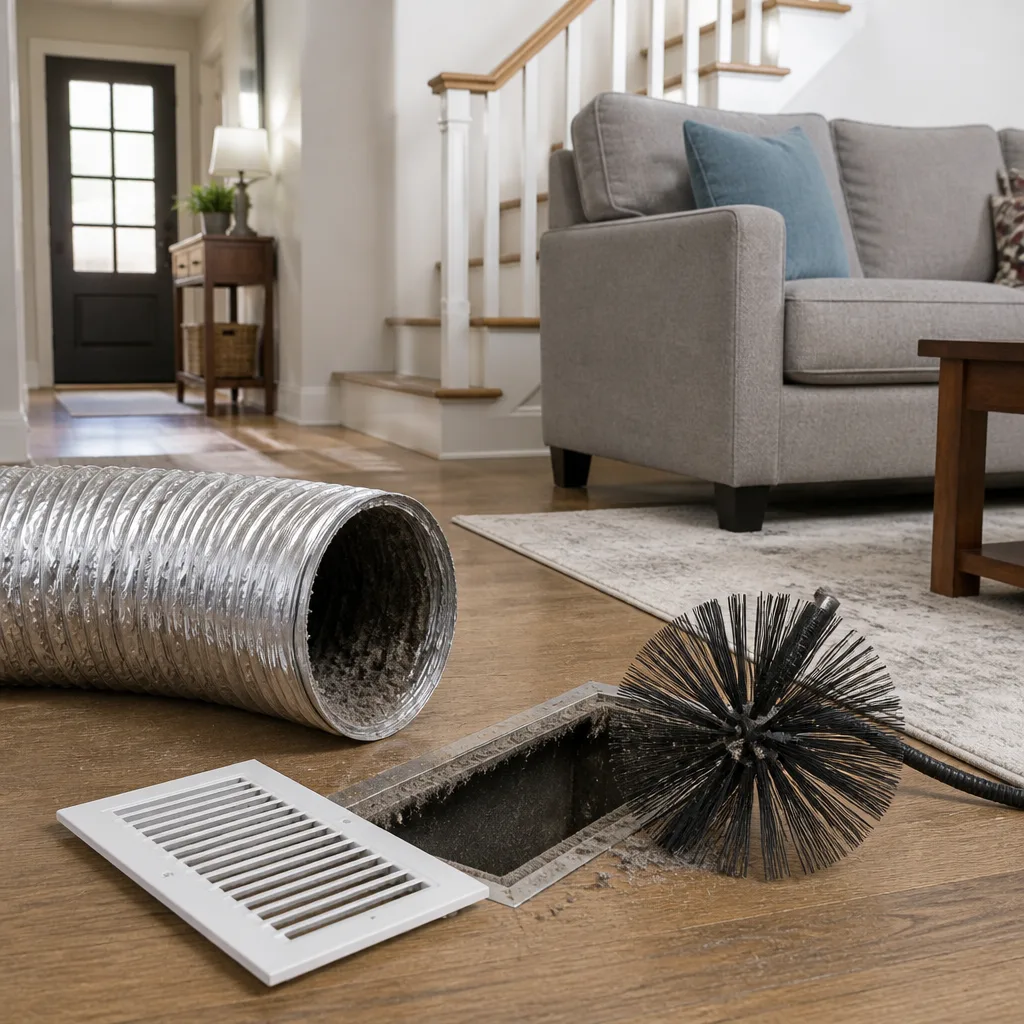 Whole-home duct cleaning
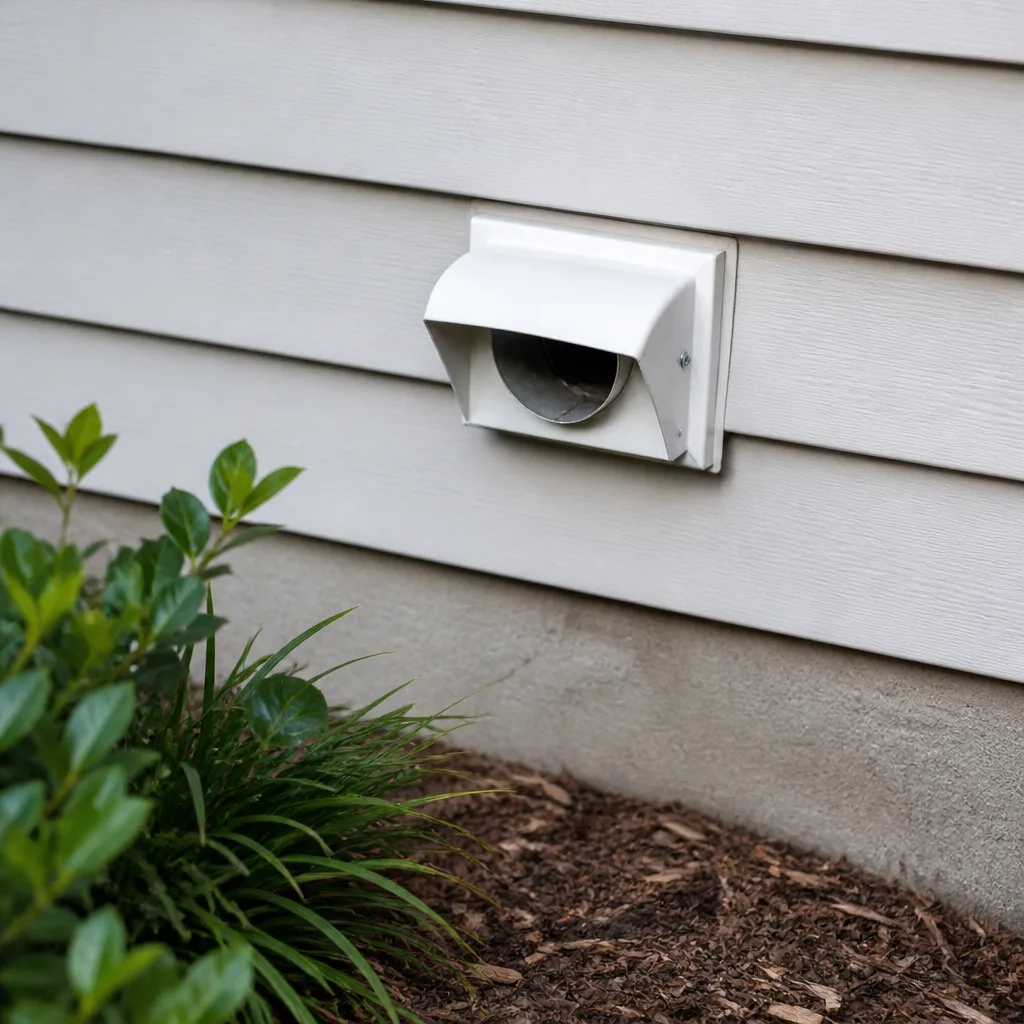 Dryer vent cleaning
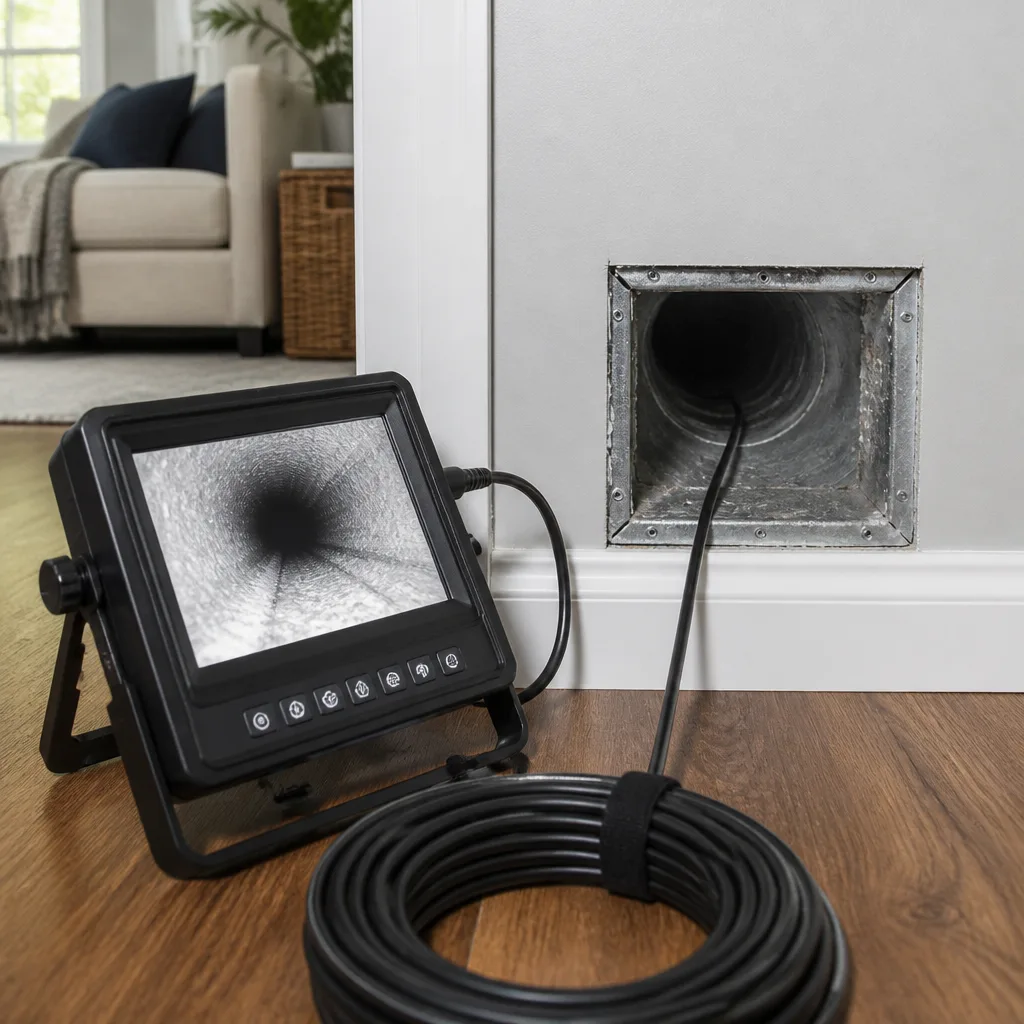 Camera inspection
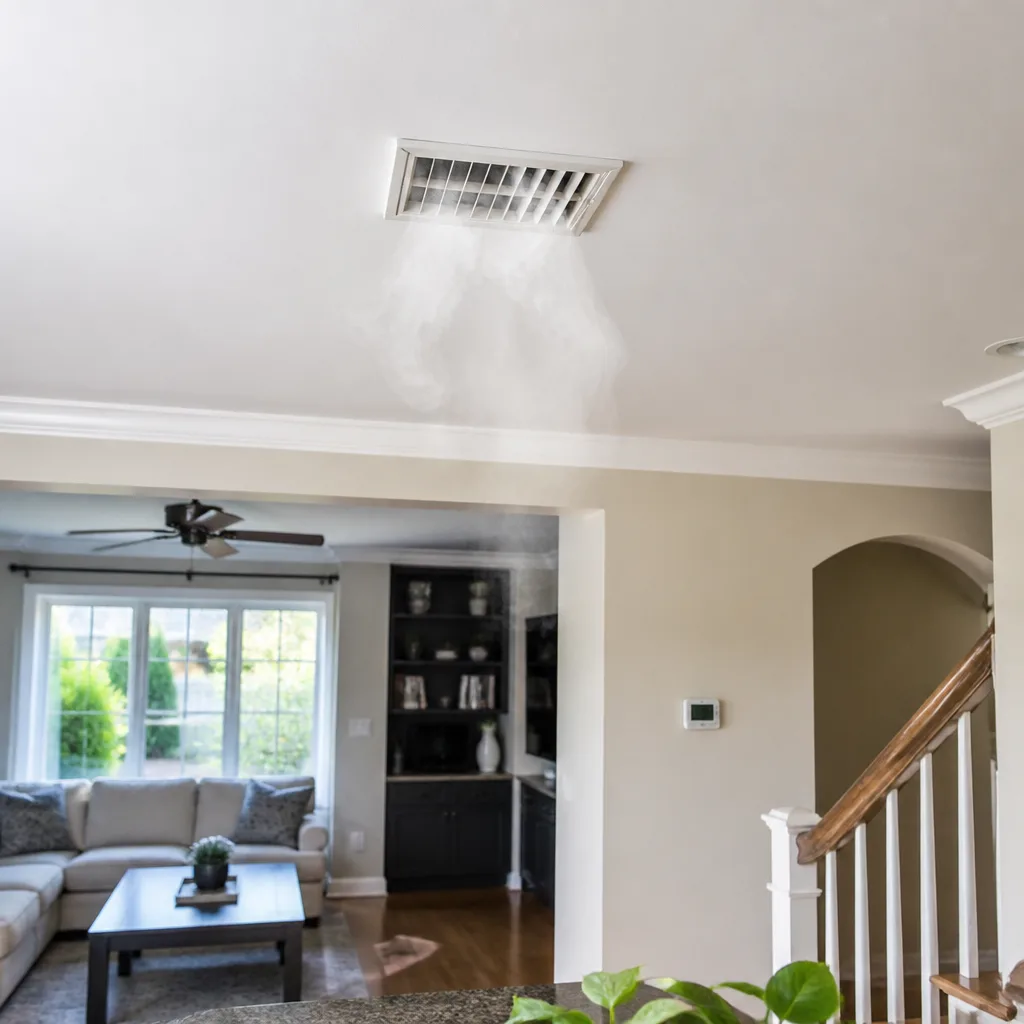 Sanitizing & deodorizing
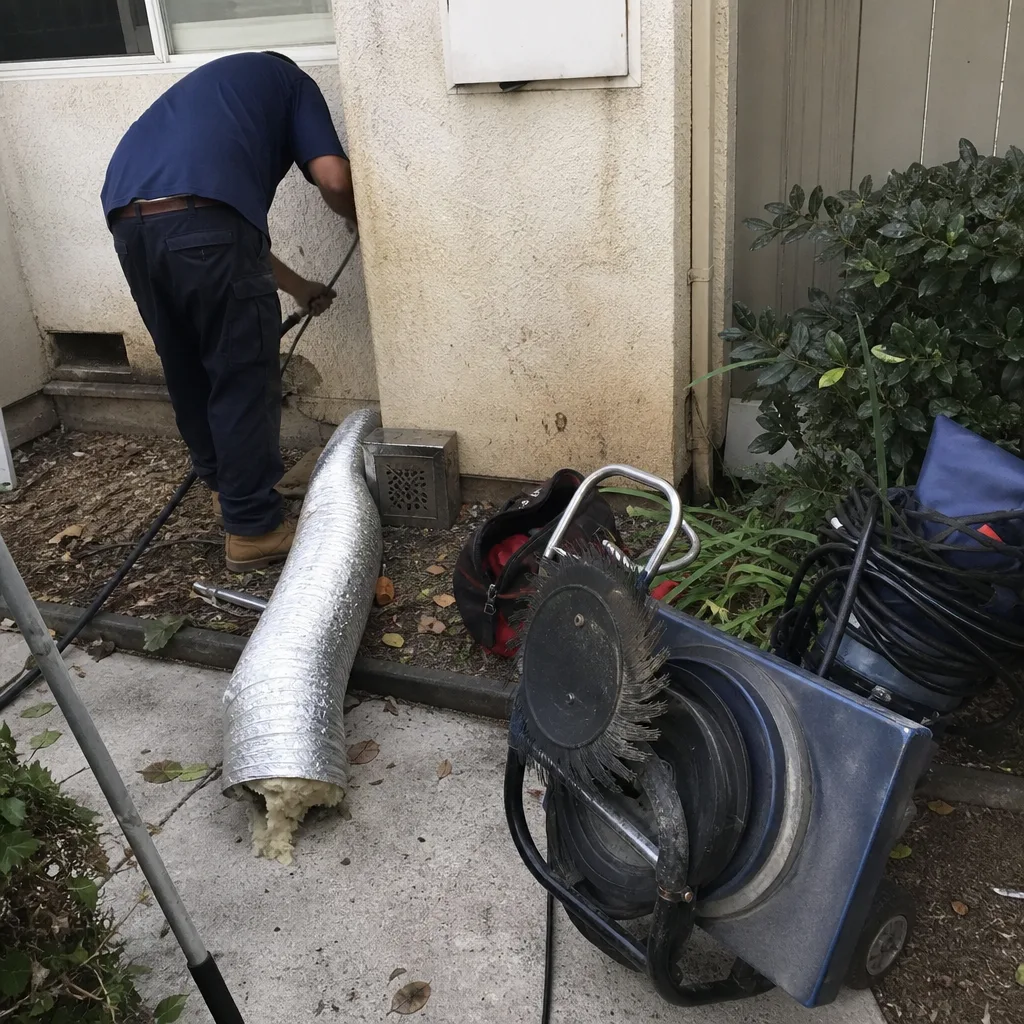
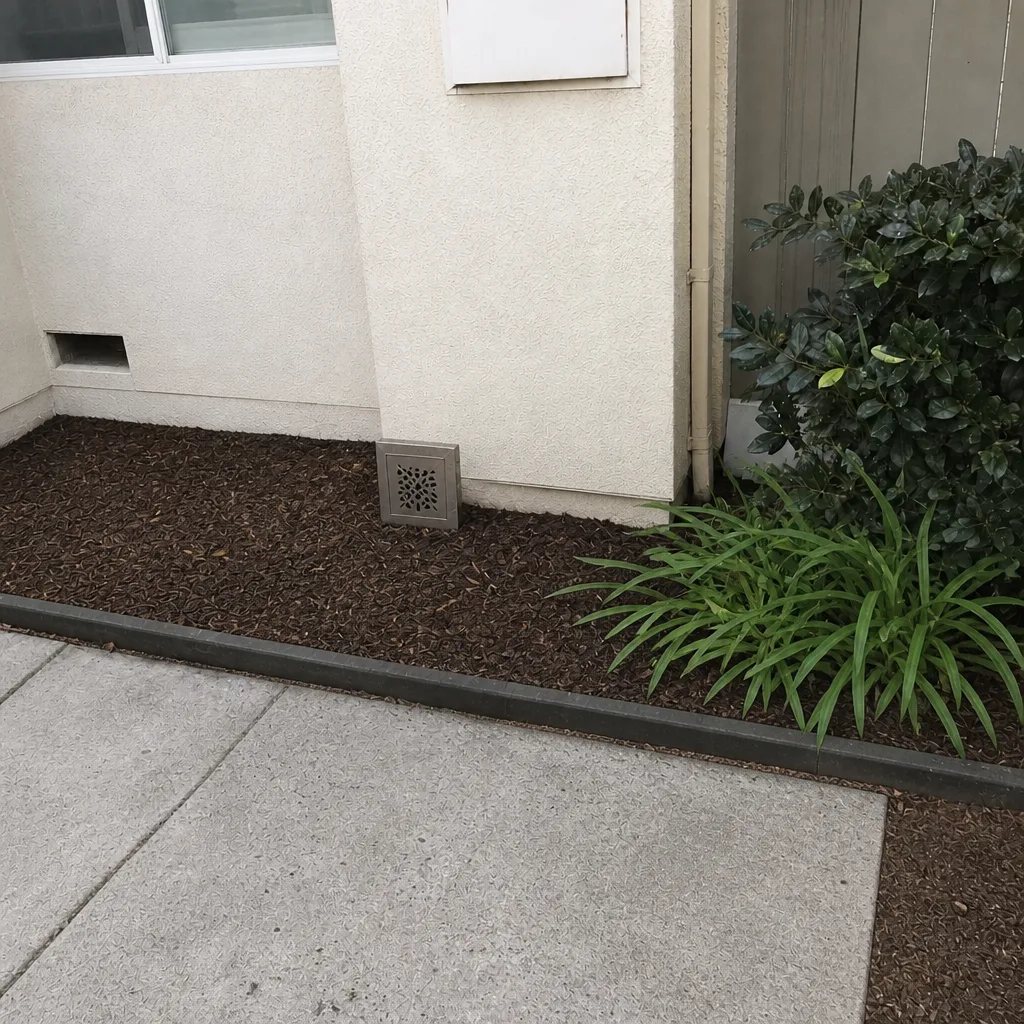
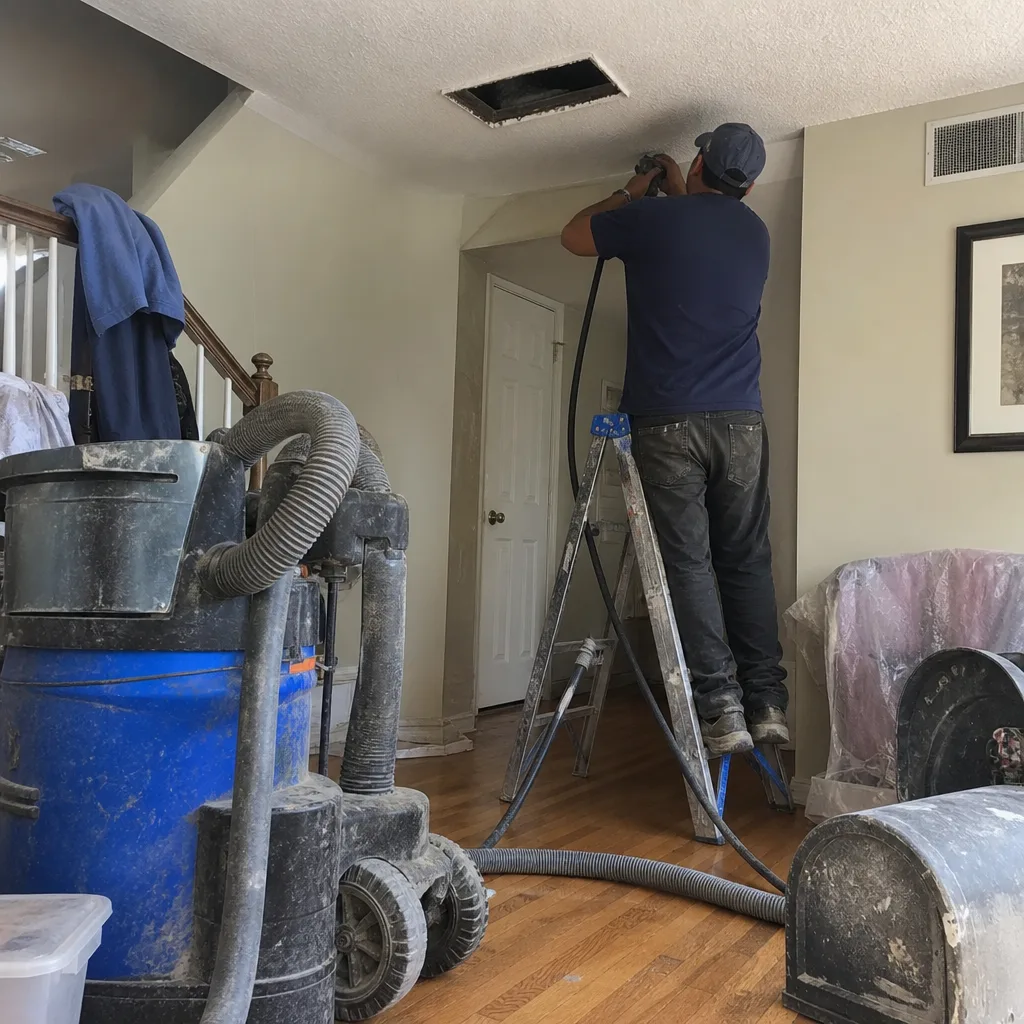
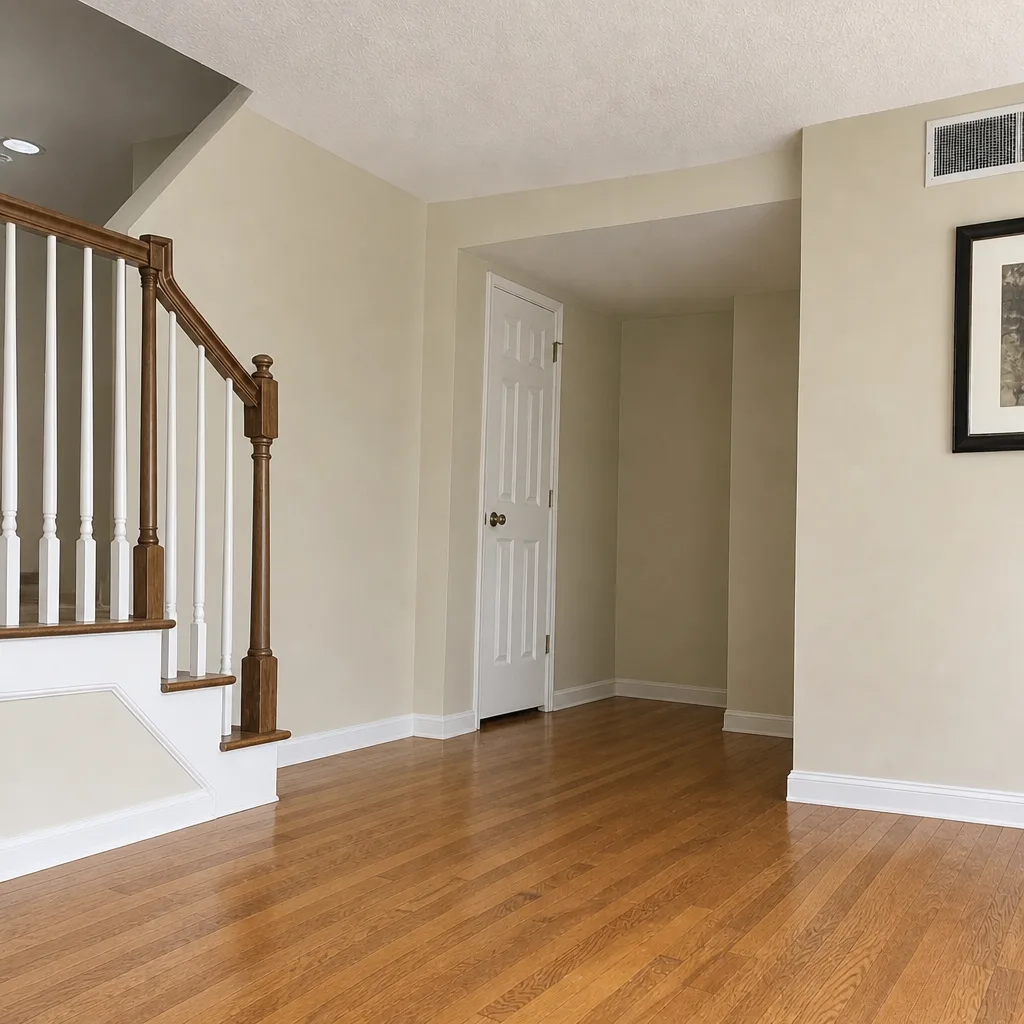
Whole-system duct and dryer vent check with before-and-after photos - you see exactly what came out of your vents
That "$99 whole-house special" is a bait ad - the real number appears once they are in your hallway, or the "clean" is a shop-vac at the register. We photograph the inside of your ducts before and after instead.
Air Duct Cleaning Maintenance Checklist for Laguna Hills Homeowners
Most duct maintenance advice you’ll find online assumes a house with seasons. Laguna Hills doesn’t really have them, and that changes nearly everything. A MERV-13 filter can be running fine in January and be loaded to restriction in under three weeks once the Santa Ana winds start pushing dust through every open window and door gap in the neighborhood. Between those wind events come marine layer humidity months that keep evaporator coil surfaces damp longer than dryer climates ever do. This checklist walks through the checkpoints that actually matter here, when to check them, and which of them you can do yourself with a flashlight versus which ones need a trained technician.
Quick Answer
Duct maintenance in Laguna Hills is seasonal, not calendar-generic: check filters every 2 to 3 weeks from October through December during Santa Ana season and after any wildfire smoke window, inspect register grilles and duct connections monthly, and schedule professional cleaning every 3 to 5 years (sooner with pets, renovation dust, or heavy traffic-corridor air). Coil inspection and anything behind the air handler access panel are technician territory.
Styles & brands we work with
- Whole-home duct cleaning
- Dryer vent cleaning
- Camera inspection
- Sanitizing & deodorizing
Table of Contents
- The Laguna Hills Seasonal Duct Calendar
- Filter Intervals by MERV Rating and Household
- What You Can Inspect Yourself with a Flashlight
- Duct Connections at Registers: The Bypass Problem
- Marine Layer Humidity and Coil Surfaces
- Wildfire Smoke Windows and Indoor Air Quality
- Dryer Vent: The Checklist Item Everyone Skips
- What Needs a Technician vs. What You Can Do
The Laguna Hills Seasonal Duct Calendar
Generic maintenance schedules were written for a four-season climate. Laguna Hills runs on a different clock, and matching your inspections to that clock is the single biggest thing you can do for indoor air quality. Here’s the month-by-month structure we recommend to homeowners in this area.
- January through March: The mildest stretch of the year. This is your best window for a professional inspection or full cleaning because you’re not fighting dust load. Check the condensate pan and drain line monthly here too – this is when condensation is most consistent.
- April through June: The marine layer months. Humidity rises and the coil runs cool against damp air, which is exactly the condition that lets biological growth get a toehold on coil surfaces. Bump filter checks up and use this window to plan any sanitizing service.
- July through September: Hot, dry, and the system runs hard. Check flex duct runs for sagging or separation, since a struggling system pushes more pressure through weak joints.
- October through December: Santa Ana season. Dust load spikes dramatically. Check your filter every 2 to 3 weeks rather than monthly. If you live near Laguna Canyon Road or any of the higher-traffic corridors, the grime layer on your register grilles will tell you how badly the system is taking on dust.
- After every wildfire smoke window: A separate inspection trigger, not a calendar date. Smoke infiltration loads filters and can leave residue inside ductwork. Treat it as a reset point.
The point isn’t to create busywork. It’s to align your inspections with when Laguna Hills actually throws something at your HVAC system. A homeowner who checks filters every three weeks from October to December catches far more than one who checks once a month year-round.
Filter Intervals by MERV Rating and Household
Filter change interval is not a single number. It depends on three things: the MERV rating you’re running, how many people and pets are in the house, and how close you are to dust sources. Here’s how we calibrate it for Laguna Hills homes.
- MERV 8: The baseline. Change every 1 to 2 months in a household without pets, every 3 to 4 weeks with pets or during Santa Ana season. The lower rating moves air easily but catches less.
- MERV 11: A reasonable middle ground for most Laguna Hills homes. Change every 3 to 4 weeks normally, every 2 weeks during October to December or after a renovation.
- MERV 13: High filtration and high restriction risk. Change every 2 to 3 weeks during Santa Ana season and after any wildfire smoke window, and inspect the filter more often than that. A MERV-13 that’s loaded up chokes airflow and forces the blower to work harder.
- Household with pets: Drop a full step below what the MERV rating suggests. Pet dander mattes filter media and stacks up much faster than dust alone.
- Recent renovation: Change the filter weekly while drywall or flooring work is happening, and once more within a few days of it wrapping up.
- Near a traffic corridor: Homes close to Laguna Canyon Road and the busier arterials catch more fine road dust. Shorten the interval by about a third.
If you run an Aprilaire or Honeywell filter cabinet, the interval gets a lot easier because you’re changing a media cartridge rather than dealing with a flimsy 1-inch slot. The filter is the cheapest part of your HVAC system. Loading it too long is the most expensive mistake you can make with that system.
What You Can Inspect Yourself with a Flashlight
A lot of duct maintenance doesn’t need a technician. It needs a flashlight, a screwdriver, and knowing what to look at. Here are the checkpoints any capable homeowner can safely look at on a routine basis.
- Register grilles: Pull one and look at the buildup on the back side. A light grey film is normal. A visible mat of lint or dark staining is telling you the duct behind it is loaded.
- Visible flex duct runs: In the attic or crawlspace, look for flex runs that sag or kink. A sagging run cuts airflow. A kinked run almost stops it. You don’t need to touch them; just note what you see.
- Filter slot bypass gaps: Pull the filter out and look at the gap around its edges. If air can slide around the filter instead of through it, you’re filtering far less than you think. A strip of foam weatherstripping at the slot usually handles it.
- Condensate pan: Look for standing water, rust, or slime in the pan. Standing water is a growth condition. Note it and call someone.
- Register connections: With the system running, put your hand near the gap between the register boot and the wall or floor. Feel air? That’s the bypass problem covered in the next section.
- Cabinet filter fit: Honeywell and Aprilaire cabinets are secure, but check that the cartridge is seated properly and not pulled loose on one edge.
That’s the safe list. Do not remove the air handler access panel, do not reach into the blower compartment, and do not try to clean the evaporator coil yourself. Those are covered further down. The flashlight inspection you do here feeds directly into what a professional will check on a service visit.
Duct Connections at Registers: The Bypass Problem
Here’s a failure point that gets almost no attention and matters enormously in older Laguna Hills tract homes: duct connections at the register boots. The register boot is the fitting where the duct connects to the wall or floor opening. Over time, the seal between the flex duct and the boot fails. When it does, attic air – which is hot, dusty, and often has fiberglass particulate in it – gets pulled into the supply stream. You’re paying to cool filtered air and breathing attic air instead.
The test is simple. With the system running, put your hand near the seam between the register boot and its duct. If you feel a warm draft coming in rather than cooled air going out, that’s a leak. In older tract homes, this is common because the tape and mastic used at the original installation dries out and fails. It’s exactly the kind of issue that HVAC cleaning turns up because the technician is in the attic looking at the whole duct system, not just the inside of one duct run.
Fixing it is straightforward: proper mastic or foil tape designed for the purpose, applied correctly at the boot and at any other visible joint. If you’re not comfortable working in an attic (heat, insulation, tight clearances), that’s a perfectly reasonable one to hand off. If you are, it’s a job that takes a few minutes per register and pays back immediately in cooling efficiency and air quality. Note every leaking boot you find, because if any one of them is a pinhole rather than a clear separation, it’s a sign the rest of the system has the same problem and needs a full air duct cleaning followed by sealing.
Marine Layer Humidity and Coil Surfaces
From April through June, the marine layer settles over the area, and interior humidity climbs even though the outdoor temperature stays mild. That creates a specific problem: the evaporator coil runs cool while the air around it is damp. Cool plus damp equals condensation that stays on the coil longer, which is precisely the condition mold spores and bacteria need.
The coil itself sits inside the air handler and is not a homeowner maintenance item. You can’t safely reach it, and the access panel should stay put. What you can do is watch for the symptoms:
- A musty or “wet basement” smell coming from supply registers when the system starts up.
- Visible moisture or slime around the condensate drain line.
- Family members with allergy symptoms that get worse in spring but not during pollen season.
- A visible film on the leading face of the coil, if you can peek at it without opening anything.
When any of those show up, the right call is professional service. Sanitizing and air quality treatment handle what cleaning alone can’t: the biological growth that settles on damp surfaces. We use Guardsman-brand sanitizing treatments applied after cleaning, because sanitizing a dirty surface just traps the contaminant under a layer of treatment. Clean first, then treat. That’s the order.
The other piece is ongoing filtration. If you’ve got an existing Aprilaire or Honeywell system, keeping it maintained between service visits is the best defense against the humidity problem. If you don’t have one, a quality filter cabinet is worth asking about on your next visit.
Wildfire Smoke Windows and Indoor Air Quality
Smoke events are a fact of life in Southern California, and they don’t run on a schedule. A single smoke window can load every filter in the house and leave a fine particulate residue that settles into the ductwork. What you do after smoke exposure is different from routine maintenance.
- Change or inspect filters immediately. A loaded filter after a smoke event may already be restricting airflow. Change it out, don’t just look at it.
- Check register grilles for staining. Dusty grey film is normal. Yellow-brown staining or a smoky smell from the registers is telling you smoke got into the ductwork.
- Don’t run the system as a fresh-air source. If your system has a fresh air intake, close it during a smoke event. Check that the filter cabinet door is sealed.
- Use a portable air purifier with a HEPA filter in the rooms where you sleep. This is temporary, but it handles the immediate smoke load while you plan the next step.
- Schedule an inspection if smell or staining persists. A smoky odor in the ductwork after the smoke has cleared is a sign that particulate is sitting inside the system. That’s a cleaning job.
Wildfire smoke has been a real part of the climate pattern here long enough that a homeowner in Laguna Hills should treat it as an annual condition, not a one-time emergency. Add a filter change and a register inspection to your annual routine in case smoke shows up.
Dryer Vent: The Checklist Item Everyone Skips
A dryer vent clogged with lint is a fire waiting for a spark. That’s not a scare phrase; it’s the plainest description of what a lint-clogged vent does. Lint is highly flammable, the dryer generates heat, and a clogged vent traps both. The duct maintenance checklist most homeowners write for themselves ignores the dryer vent entirely, and it’s arguably the most important item on the list.
Here’s what to check monthly, all of it safe for a homeowner:
- The lint trap, obviously. Clean it after every load, not every few loads. This is not a maintenance task, it’s a habit.
- The exterior vent flap. Go outside and check that the flap opens freely when the dryer runs. If it stays closed or only lifts a little, the vent is restricted.
- Dryer performance. If loads are taking noticeably longer to dry, that’s the earliest sign of a clog.
- Heat at the back of the dryer. If the dryer feels hot to the touch on its back panel, the vent is restricted.
- Visible lint around the dryer. Lint collecting near the vent connection means the seal is failing.
Annual professional dryer vent cleaning handles what you can’t reach: the full length of the vent run, the transitions, and the exterior termination. It’s a small job with a big consequence if you skip it. If you’re a landlord or property manager in Laguna Hills, put it on the annual turnover checklist for every unit.
What Needs a Technician vs. What You Can Do
This is where most checklists get vague. Let’s be clear about the line.
Safe to do yourself: filter changes, lint trap and dryer vent inspection from outside, register grille checks, bypass gap inspection at the filter slot, thermal test at the register boot with your hand, condensate pan visual inspection (look, don’t touch), and noting the location of any visibly sagging flex duct.
Requires a trained technician: anything inside the air handler, evaporator coil cleaning and sanitizing, blower compartment inspection, duct cleaning with professional equipment, duct repair and sealing inside the attic, condensate line clearing or repair, and any electrical work on the system.
The reason this line matters isn’t liability. It’s that the equipment used for professional work is different in kind from homeowner tools. We work with Rotobrush rotary brush systems, Nikro negative-air machines, and Abatement Technologies filtration units. That’s contractor-grade equipment, not a shop vac with a long hose. A rotary brush system agitates and lifts debris from the full duct interior, and negative-air containment keeps contamination from spreading through the house while that’s happening. A homeowner trying to replicate this with a vacuum will stir up more than they remove.
The other reason to bring in a technician: documentation. We photograph what’s inside the ducts before and after the work. That record is how you verify the work was done, and it’s also how you track changes in your system across years.
Common Mistakes to Avoid
- Treating filter change interval as a fixed monthly task. A MERV-13 filter during Santa Ana season might need changing every two weeks. A MERV-8 in a pet-free home might run fine for two months. Read the filter, not the calendar.
- Ignoring visible flex duct sags. A sag doesn’t always restrict airflow the way a kink does, but it collects dust at the low point. Note it on your next inspection.
- Skipping the register boot test. Bypass leaks at the boot connections are one of the most common efficiency problems in Laguna Hills homes, and the hand test takes ten seconds.
- Assuming the dryer vent is fine because the dryer runs. A dryer will run with a thirty percent blockage and still seem okay until it isn’t. Check the exterior flap regularly and schedule annual service.
- Sanitizing a dirty duct. Sanitizing before cleaning traps contaminants under the treatment. Cleaning first, then sanitizing, is the only order that makes sense. If anyone offers the reverse, ask why.
- Cleaning the ducts but skipping the coil. A clean duct system attached to a moldy coil is still a compromised system. The two belong together.
- Running the system hard while expecting it to filter smoke. Your furnace filter is not a HEPA air purifier. During a smoke event, run a portable HEPA unit and let the system do its normal job.
See the difference
 Before
 After
 Before
 After
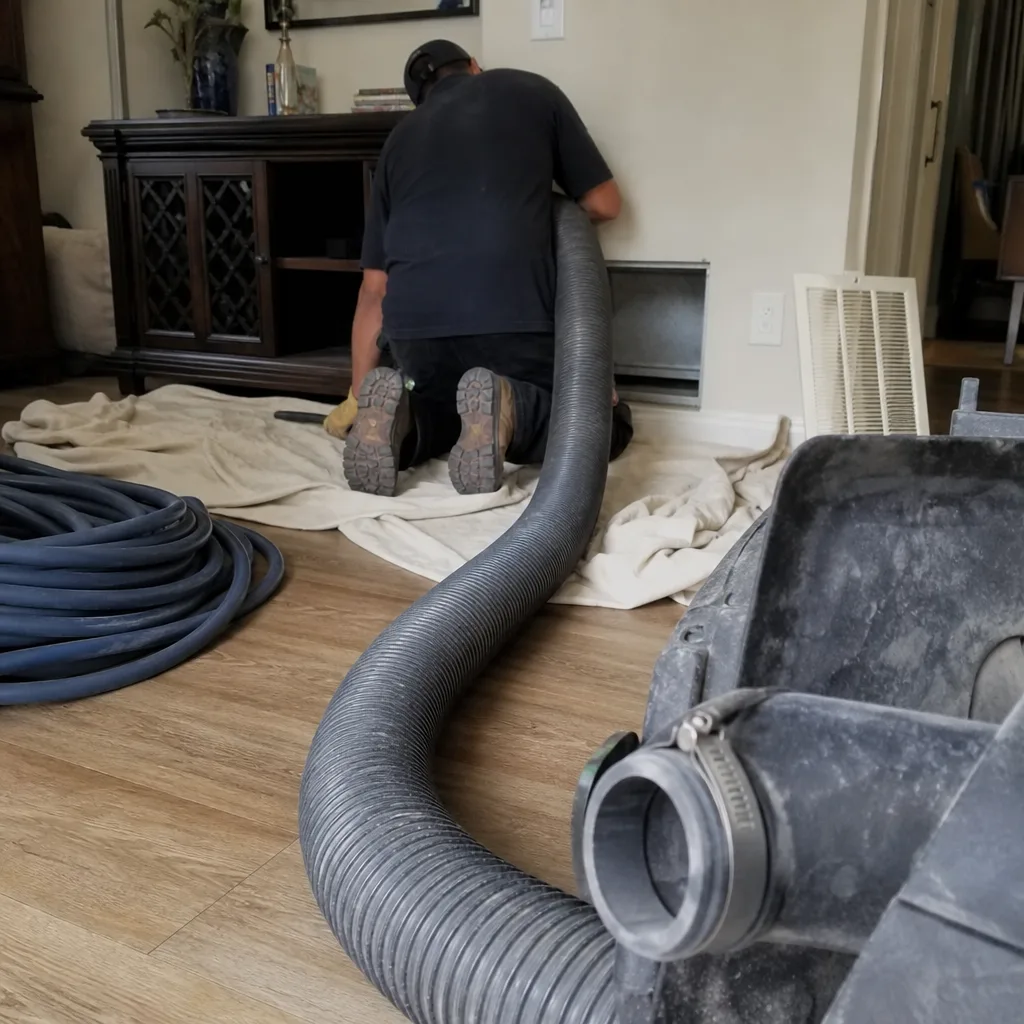 Before
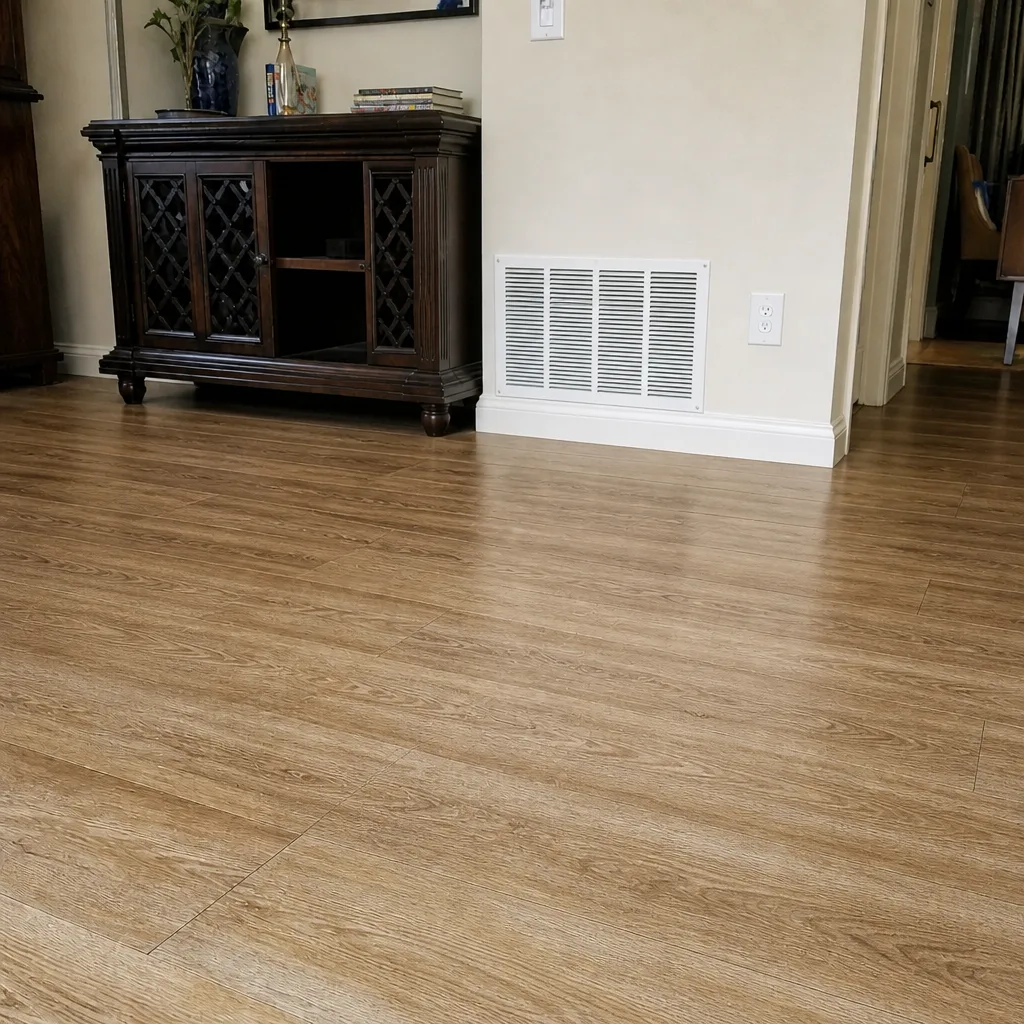 After
When to Call a Professional
Call a professional when your inventory of homeowner checks turns up an actual problem: a smelling supply air, staining at the register grille, a filter that keeps loading faster than your interval suggests, standing water in the condensate pan, a visible sag or separation in an attic duct run, or recurring allergy symptoms that track with the HVAC system rather than the outdoor pollen calendar. Also call if it’s been three to five years since the last full cleaning, or if you’ve never had one in a house you just moved into. And call for the dryer vent at least once a year regardless of what you notice.
What we ask of homeowners in this area: not to wait for a visible failure, and not to treat maintenance as a filter-only habit. Clean ducts are the beginning, not the finish line. Repair, sealing, and sanitizing keep them clean. For assessment and a written scope, Laguna Hills Air Duct Cleaning offers free estimates in Laguna Hills – call (888) 435-4470. We answer 24/7. Fast dispatch from 7am to 7pm, Sunday through Friday.
Frequently Asked Questions
Every 3 to 5 years for most homes, sooner if you have pets, recent renovation, or live close to a high-traffic corridor. In Laguna Hills homes near Laguna Canyon Road or the busier arterials, the dust load is higher and a 3-year interval makes more sense. Santa Ana season loads your system faster than the rest of the year. Call (888) 435-4470 for an exact quote – estimates are free.
Cheap quotes usually skip the containment and filtration steps, or clean only the ducts they can reach with a shop vac. Professional work includes negative-air containment with equipment like Nikro machines and filtration with Abatement Technologies units, so debris doesn’t spread through the house during the job. When a quote is dramatically lower, ask exactly what equipment is being used and whether the coil and air handler are included. Call (888) 435-4470 for a real scope and price – estimates are free.
Ask for before-and-after photos from inside the ducts, not a verbal report. Documentation is the only way to verify the work. We photograph the ducts before and after every cleaning. If a company can’t show you the inside of your own ducts before and after, that’s a question worth asking. Call (888) 435-4470 and ask what the documentation looks like – estimates are free.
No. A dryer will keep running with a restricted vent and only show you the problem when performance drops or something worse happens. Lint is highly flammable, and a clogged vent traps heat against the lint. Check the exterior flap monthly and schedule annual professional service. For a Laguna Hills dryer vent assessment, call (888) 435-4470 – estimates are free.
A MERV 11 is a reasonable default for most homes, with a MERV 13 for allergy-sensitive households during smoke season. Just be ready to change it much more often. A MERV 13 that loads in two weeks defeats the purpose. Match the rating to how faithfully you’ll actually check it. Call (888) 435-4470 if you want to talk through filtration options with an Aprilaire or Honeywell setup – estimates are free.
Not always, but it’s the right call when the coil shows growth, when there’s a persistent musty smell, or after a smoke event that left residue. Sanitizing targets the biological contaminants that cleaning alone doesn’t handle. It’s a follow-up to cleaning, never a substitute. Call (888) 435-4470 to talk through whether sanitizing fits your situation – estimates are free.
The Bottom Line
Duct maintenance in Laguna Hills is a seasonal habit, not a calendar task. Check filters every two to three weeks from October through December and after any wildfire smoke window; check them monthly the rest of the year. Inspect register grilles, flex duct runs, and register boot connections by hand or flashlight monthly. Keep your dryer vent on an annual service schedule. Watch for moisture symptoms from April through June. Bring in a technician for anything behind the air handler panel, for the coil, and for the sanitizing work that keeps biological growth from coming back. One call covers cleaning, repair, sealing, and sanitizing – and the documentation that proves what was done. Our technicians have up to 12 years of experience with systems like yours. Call (888) 435-4470 for a free estimate. We answer 24/7. Fast dispatch from 7am to 7pm, Sunday through Friday.
For the full range of work we handle in this area, see our Laguna Hills air duct cleaning services.
Written by the team at Laguna Hills Air Duct Cleaning.