
Last updated November 24, 2026
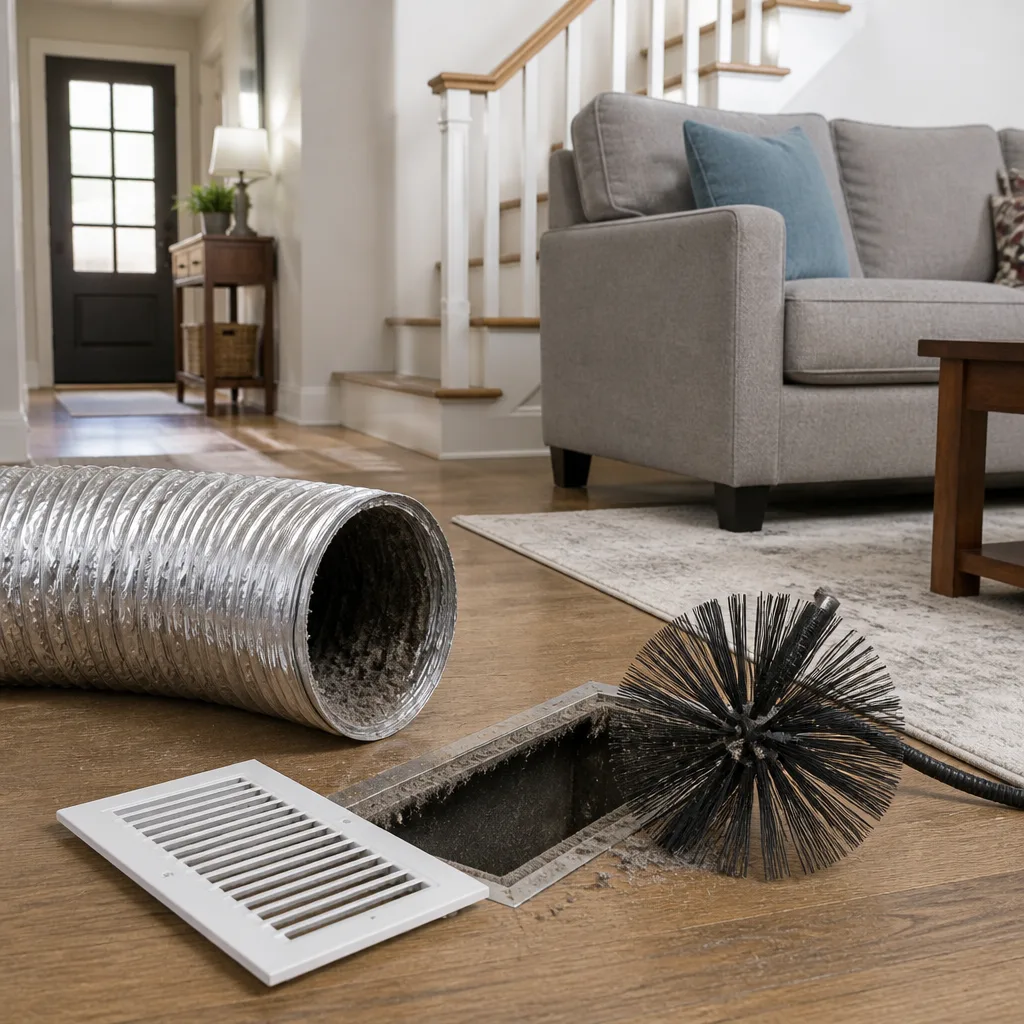 Whole-home duct cleaning
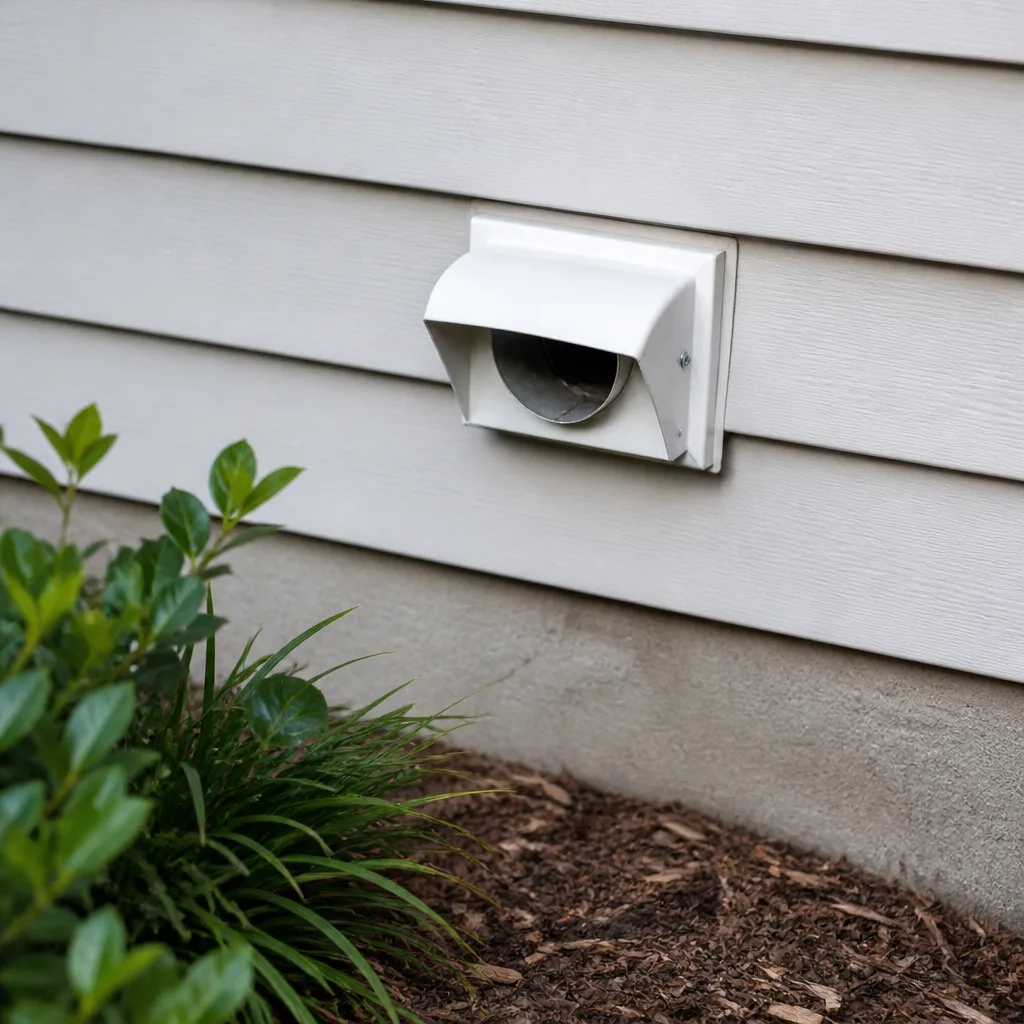 Dryer vent cleaning
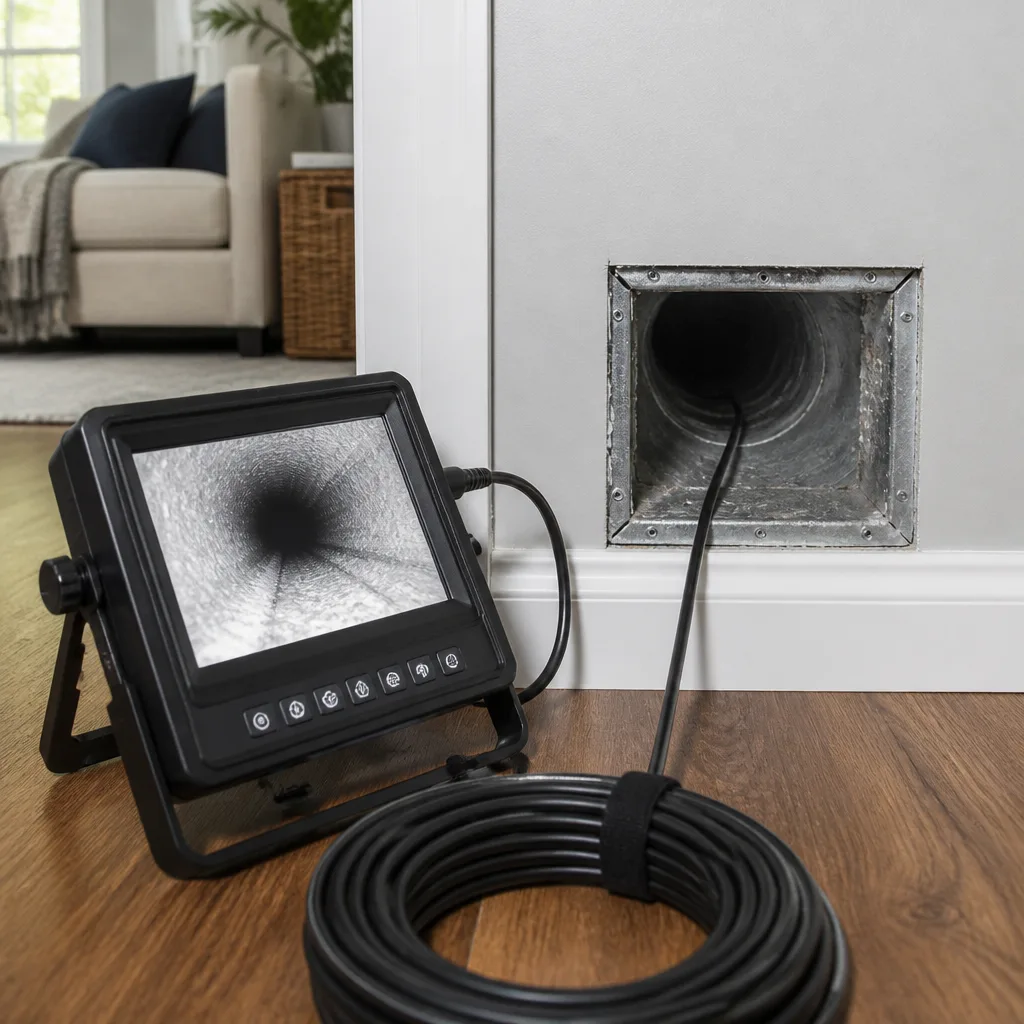 Camera inspection
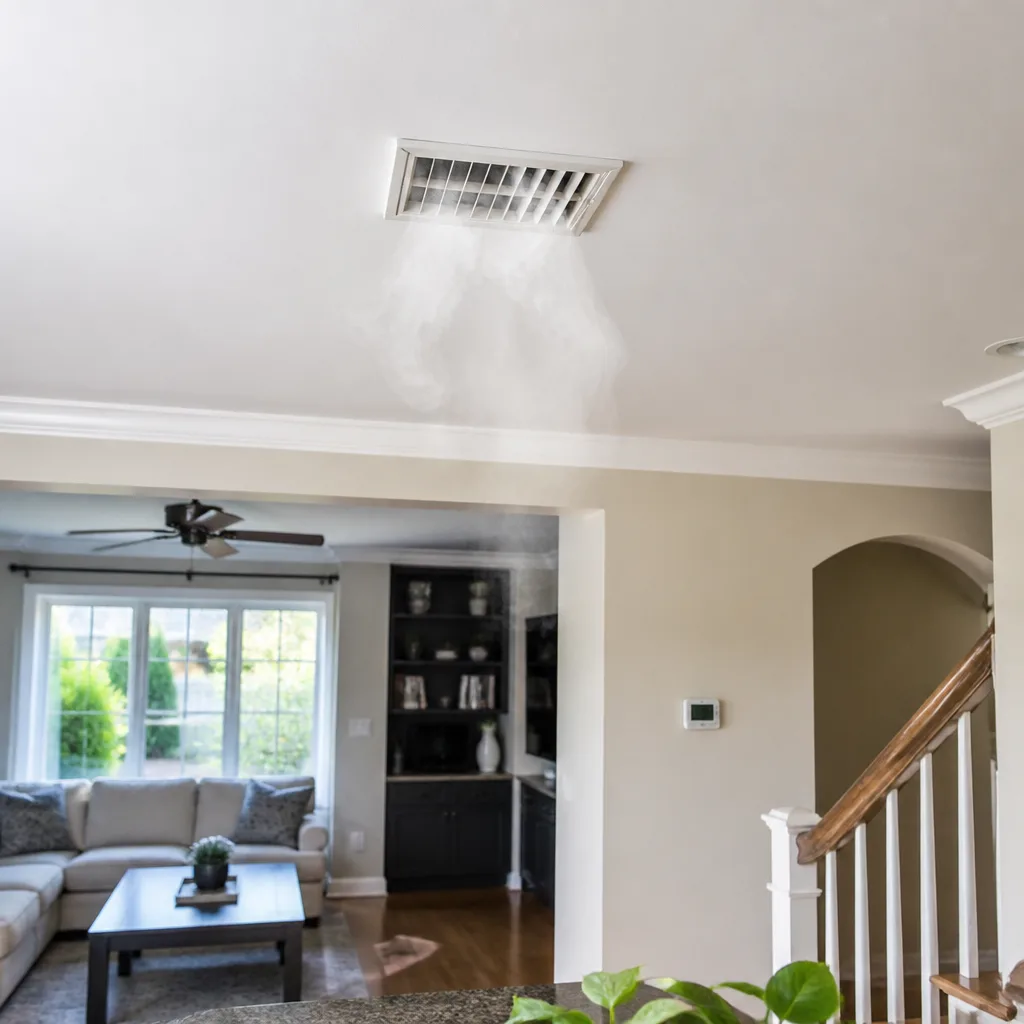 Sanitizing & deodorizing
Whole-system duct and dryer vent check with before-and-after photos - you see exactly what came out of your vents
That "$99 whole-house special" is a bait ad - the real number appears once they are in your hallway, or the "clean" is a shop-vac at the register. We photograph the inside of your ducts before and after instead.
Air Duct Cleaning Permits, Codes & Inspections in Laguna Hills, CA: What You Need to Know
Here’s the part that surprises most homeowners: a company can hand you a “completed” invoice for duct work it wasn’t legally allowed to perform. Routine cleaning doesn’t require a permit in most Orange County jurisdictions, and that’s exactly why the line between cleaning and construction gets blurred so often. The moment someone cuts an access panel, replaces a flex run, or opens up your air handler to install a UV system, the job changes category. It becomes licensed HVAC work. This guide walks through where that line sits in Laguna Hills, when a permit is actually required, how inspections work, and how to check the permit history on your own home before it becomes someone else’s problem during a sale.
Quick Answer
Routine air duct cleaning does not require a permit in most Orange County jurisdictions, including Laguna Hills. But duct repair, duct replacement, or anything that connects to or modifies mechanical equipment – installing a UV light inside an air handler, for example – is licensed HVAC work under California’s C-20 classification and typically does require a permit. The company you hire should hold the right license for the work being done, not just a business license.
Styles & brands we work with
- Whole-home duct cleaning
- Dryer vent cleaning
- Camera inspection
- Sanitizing & deodorizing
Table of Contents
- Does air duct cleaning require a permit in Laguna Hills?
- The CSLB license line: cleaning versus construction
- When a permit is actually required
- The City of Laguna Hills and OC building department’s role
- How to verify permit history on a Laguna Hills home
- What happens when unpermitted duct work is discovered at sale
- How documentation supports an insurance or disclosure claim
- What an HVAC inspection actually checks
Does air duct cleaning require a permit in Laguna Hills?
No. Routine cleaning of the duct system itself is not a permitted activity in most Orange County jurisdictions, and Laguna Hills falls into that category for standard residential cleaning work. Cleaning removes debris; it doesn’t alter the structure of the system or connect anything new to your mechanical equipment.
That’s the important distinction. A permit governs construction and modification. A thorough cleaning with a rotary brush system and negative-air containment doesn’t do either. It’s maintenance. The confusion comes from the fact that some companies do both cleaning and installation under one banner, and the customer never learns which parts of the invoice covered which category.
We’re clear about this because we’ve seen the aftermath. A homeowner hires someone for cleaning, and partway through, the technician recommends replacing a “collapsed” section of flex duct. Materials come out of a van. Nobody mentions a permit. Six months later, the airflow problem returns, or an inspector flags it during a sale, and the homeowner discovers no permit was ever pulled for the work.
What cleaning actually covers
- Debris removal from supply and return ducts
- Cleaning of registers, grilles, and diffusers
- Cleaning of the air handler cabinet exterior and accessible interior surfaces
- Negative-air containment during the procedure
- Before-and-after documentation of what was removed
None of that requires a permit. A reputable air duct cleaning service should be able to explain its scope plainly and tell you when a recommendation crosses into licensed territory. That honesty is a far better filter than a low bid.
The CSLB license line: cleaning versus construction
California’s Contractors State License Board draws a clear line. The C-20 Warm-Air Heating, Ventilating and Air-Conditioning Contractor license covers duct installation, modification, and repair that connects to mechanical equipment. A company doing only cleaning work doesn’t need that classification. A company cutting into ductwork or replacing runs does.
In our experience, homeowners rarely ask. They see a van, a uniform, a logo, and assume all duct work is the same category. It isn’t. Here’s how the categories separate:
- Cleaning only: No C-20 required, no permit needed.
- Duct repair: Sealing joints, patching small holes, re-taping. Often, repair that only touches the duct surface stays out of permit territory, but anything connecting back to the air handler or altering the mechanical system is licensed work.
- Duct replacement: Cutting out sections and installing new flex or sheet metal duct is HVAC construction. Requires a C-20 licensed contractor and typically a permit.
- Air handler modification: Adding a UV system, an Aprilaire or Honeywell filter cabinet, or any electrical or mechanical change to the air handler requires a licensed HVAC contractor and a permit.
The tricky middle ground is duct sealing from the inside. Spray-sealing the inside of ducts with a sealant does technically modify the interior surface, but whether it requires a permit varies with the system. It’s worth asking the contractor to state their position in writing before they start.
For homeowners who use a full-service indoor air quality specialist, the point is that we work with licensed local professionals who perform the work. We connect you with someone properly qualified. That’s also true for duct repair and sealing, where the repair-versus-construction distinction matters most.
When a permit is actually required
A permit is required when the work changes, adds, or replaces a permitted building system. For air ducts and related equipment, that usually means any of the following:
Duct repair or replacement connecting to mechanical equipment
Replacing a flex run between the air handler and a supply register, or replacing a section of trunk line, is construction. The permit ensures the installation meets mechanical code for sizing, insulation, and supports. Without it, the work exists outside the building record.
UV light or in-line filtration installation
Installing a UV lamp inside the air handler or adding an in-line filtration cabinet requires opening the mechanical system and, in many cases, connecting to the electrical circuit. Both are licensed work typically requiring a permit. When we install a Honeywell or Aprilaire filter cabinet, that installation is the licensed contractor’s work, not the cleaner’s, and permits are part of the conversation.
Modification requiring access to the mechanical permit record
If the work touches anything that would need to appear on the property’s building records later – replacement of the air handler, new return-air pathways, or changes to the system’s configuration – the permit is part of the project. A cleaning-only visit never does this. A full-system job sometimes does.
To check what applies to your home, the cleanest approach is a direct call to the City of Laguna Hills building department. They can confirm whether a specific scope of work requires a permit before anyone touches the ducts. It takes one phone call and settles the question.
The City of Laguna Hills and OC building department’s role
The City of Laguna Hills contracts its building services through the County of Orange, which is common for smaller incorporations. That means permit applications, plan checks, and inspections for HVAC-adjacent work flow through the county’s permitting system rather than a standalone city department. In practice, a homeowner applying for a duct-related permit goes through the county’s online portal or one of its permit counters.
For you as a homeowner, that’s mostly an administrative detail. What matters is that the permitting record exists, and it’s searchable. The county maintains a property record that shows every permit pulled on the address. When a duct-related permit was pulled, that record shows the scope, the date, and the contractor who performed the work.
What the permitting department does not do
- It does not inspect routine cleaning. Nobody inspects a duct cleaning job.
- It does not track which companies perform cleaning work.
- It does not issue a certificate for services that don’t require a permit.
That last point trips people up during a sale. If you had your ducts cleaned last year, there is no permit for it and there won’t be one. That’s normal. But if work was performed that should have required a permit and the record doesn’t show it, that’s the problem. The building department won’t issue a “certificate of cleaning.”
For homeowners in Laguna Hills, the practical move is to look up your property record any time duct-related work is performed. It takes a few minutes and gives you a paper trail that will matter later.
How to verify permit history on a Laguna Hills home
Verifying permit history is one of the most useful due-diligence steps a homeowner can take, whether you’re buying, selling, or just trying to understand what’s been done to your system. Older Laguna Hills developments have often accumulated multiple HVAC modifications over the decades – some permitted, some not, some lost to time. Here’s how to sort it out:
- Find your property record. The County of Orange permit portal allows searches by property address. Start there.
- Look for mechanical permits. Any entry labeled “HVAC,” “mechanical,” “duct replacement,” or “air handler” is relevant. The permit date, scope, and contractor are usually listed.
- Compare the permit dates to the home’s history. If you know when the HVAC system was replaced, when the previous owner did remodeling, or when a remodel permit shows up, cross-check that the duct work lines up.
- Request the inspection record. For each mechanical permit, there’s typically an inspection sign-off. If it’s missing, ask the building department why.
- Check the contractor’s license status on the CSLB website. Use the CSLB license lookup to confirm the contractor was licensed and in good standing on the date the permit was pulled.
- Call the building department with specific questions. If the property record is unclear, an actual conversation with a permit technician often resolves it in five minutes.
If you’re considering a HVAC cleaning service on a home with unclear history, this step is worth doing first. Better to know what’s in the record before you commit to a scope.
One practical note: older Laguna Hills tract homes from the 1970s and 1980s were often built with rigid sheet metal ductwork, and later remodels replaced sections with flex duct. When that replacement happened without a permit, the record usually reflects the original construction. If your record shows “original build only” but the ducts look newer, ask when the replacement was done and by whom.
What happens when unpermitted duct work is discovered at sale
This is the scenario that brings most homeowners into this conversation. You list the property. The buyer’s general inspector notices a section of flex duct that’s disconnected in the attic, or a UV install that looks amateurish, or a return-air path that doesn’t match the original floor plan. The buyer’s agent asks for proof a permit was pulled. There isn’t one.
What follows isn’t a legal catastrophe in most cases, but it’s disruption. The buyer may request a credit, a repair, or a full permit-and-inspection cycle before closing. Depending on the scope, that can mean opening walls or attic space for inspection. And if the contractor who did the work is unreachable or unlicensed, the current owner absorbs the cost.
How this plays out in practice
- Buyer requests documentation. The seller needs to produce a permit, an inspection sign-off, or a disclosure explaining the work.
- If no permit exists, the seller discloses. A disclosure is legal, but it often triggers a renegotiation.
- Repair-and-permit cycle begins. The seller often pays to have the work brought up to code so the sale can close.
- Price reduction. Some buyers simply walk the price down by the estimated cost of the permit and repair combined.
In our experience, the cleanest defense is having a paper trail. If you’ve had work done, get the scope documented in writing: what was cleaned, what was repaired, and whether any portion required a permit. A duct cleaning invoice that says “replaced 12 ft of flex duct” with no permit attached will not help you. A cleaning invoice that says “cleaned supply and return ducts, no modifications to mechanical system” will.
The line between those two invoices is where the homeowner’s liability lives.
How documentation supports an insurance or disclosure claim
After a loss – water intrusion in the attic, a mold incident, a fire that traces to a mechanical system – the first question the adjuster asks is what work had been done and by whom. Documentation answers that.
What a proper cleaning record should contain:
- Before photos. Inside the ducts, at key access points.
- After photos. Same angles, post-cleaning.
- Scope statement. What was cleaned, what was inspected, what was not modified.
- Equipment record. What tools were used – a Rotobrush rotary brush system, a Nikro negative-air machine, an Abatement Technologies air filtration unit on containment.
- Recommendations in writing. Anything that surfaced during cleaning but wasn’t part of the cleaning scope.
That last item matters more than people think. If cleaning revealed a disconnected flex run, or mold growth on the interior duct surface, the recommendation should have been documented in writing so the homeowner can act on it. A contractor who finds a problem but doesn’t put it in writing leaves the homeowner exposed. If the mold spreads and the insurer asks when it was first noticed, “the technician mentioned it at the time” is not a record.
For sanitizing work, we document the product applied – typically a Guardsman product line – and the scope of treatment, so the record shows what was used and where. That matters for disclosure and for any future air quality concern.
Full-system documentation is also why dryer vent cleaning deserves its own record. A clogged dryer vent is a fire hazard, and if a fire occurs, insurance carriers want to see whether maintenance was performed. A dated, photographed cleaning report is the difference between a routine claim and a coverage dispute.
What an HVAC inspection actually checks
When a licensed HVAC contractor pulls a permit and performs work, the inspection is the county’s verification step. The inspector typically checks:
- Duct installation meets mechanical code for sizing, insulation, and support
- Connections at the air handler and registers are secure
- Sealing and mastic application where required
- Access panels and UV or filtration installations are properly connected
- The installation matches the approved plan
The inspector is not there to evaluate whether your ducts are clean. Cleaning is outside the inspection scope. But the inspection record is a signal, and it’s one of the most reliable ways a buyer can know that a given piece of duct work was performed by a licensed contractor within the legal framework.
That distinction is worth internalizing. A cleaning report tells you what was removed from the system. An inspection sign-off tells you the system itself was assembled legally. These are two different kinds of proof, and homeowners often conflate them.
If you’re aiming to put a full-system service in place and want the cleaning portion documented as a record separate from any permit-related work, ask for both. The cleaning report and the permit record should live side by side in your file.
Common Mistakes to Avoid
- Assuming all duct companies are licensed HVAC contractors. Most aren’t. Cleaning is a different category. Ask directly whether the company holds a C-20 for any work that modifies the system, and verify on the CSLB website.
- Letting a cleaner perform “repairs” without a permit. A flex duct replacement is construction. If someone recommends it on the spot and starts work without a permit discussion, that’s a warning sign.
- Not checking the property record before a sale. In older Laguna Hills tract homes, multiple HVAC modifications often never made it to record. Pull the permit history before you list.
- Accepting a vague invoice. An invoice that says “cleaned ducts – $X” tells you nothing about what was touched. Demand a scope statement with before-and-after photos.
- Missing the dryer vent paperwork. Homeowners skip this because dryer vents don’t feel like HVAC. But a clogged dryer vent is a fire waiting for a spark, and a documented cleaning is your record.
- Ignoring UV and filtration permits. Installing an Aprilaire or Honeywell unit inside the air handler triggers licensed work. If the technician did it without a permit discussion, ask why.
- Assuming a permit means the work is clean. The county inspects installation compliance, not cleanliness. Your cleaning record and permit record document different things.
See the difference
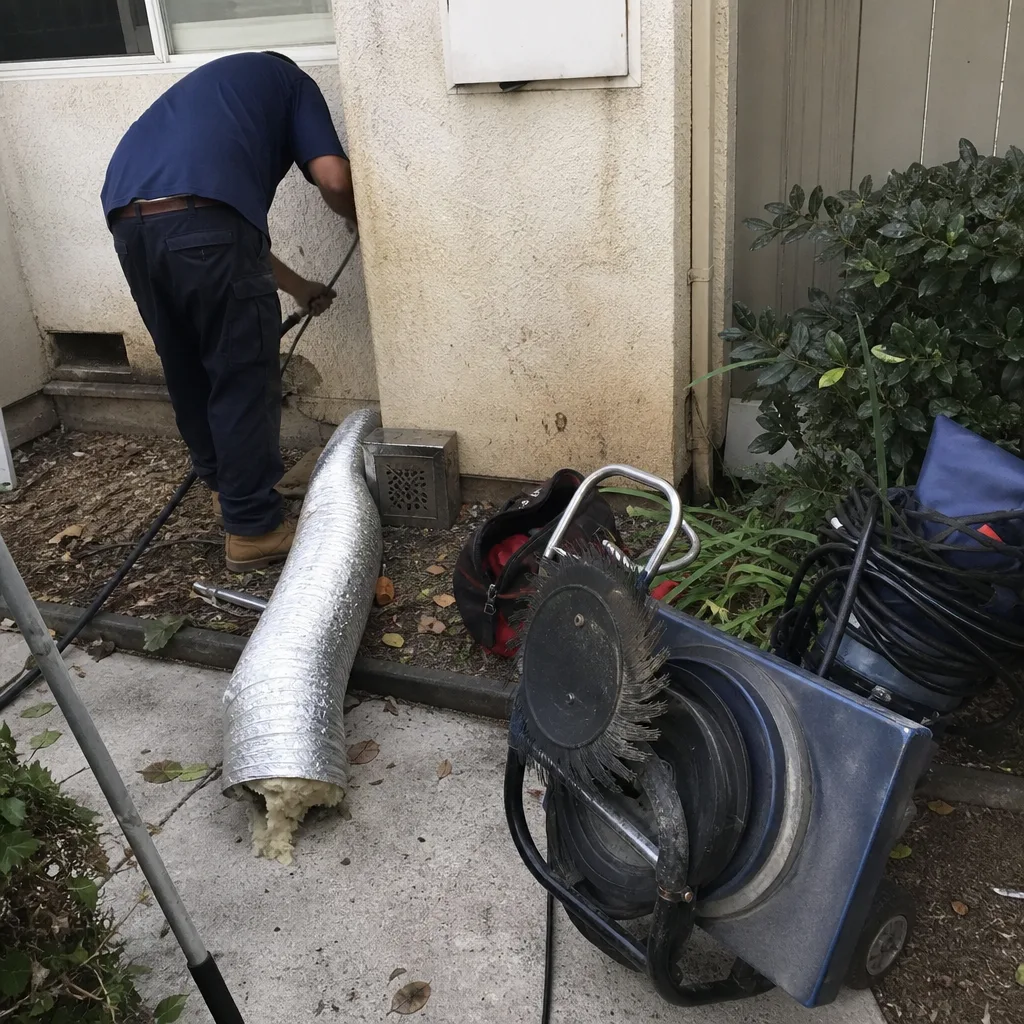 Before
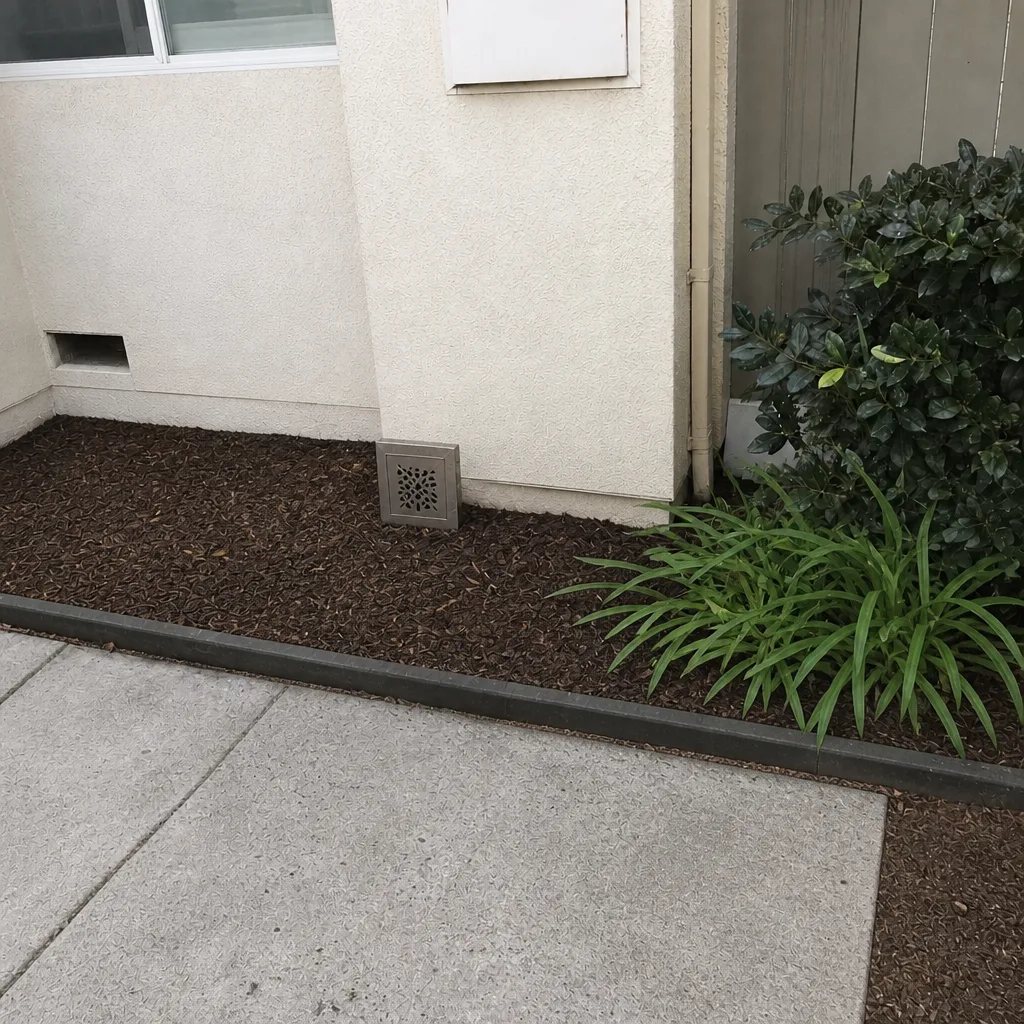 After
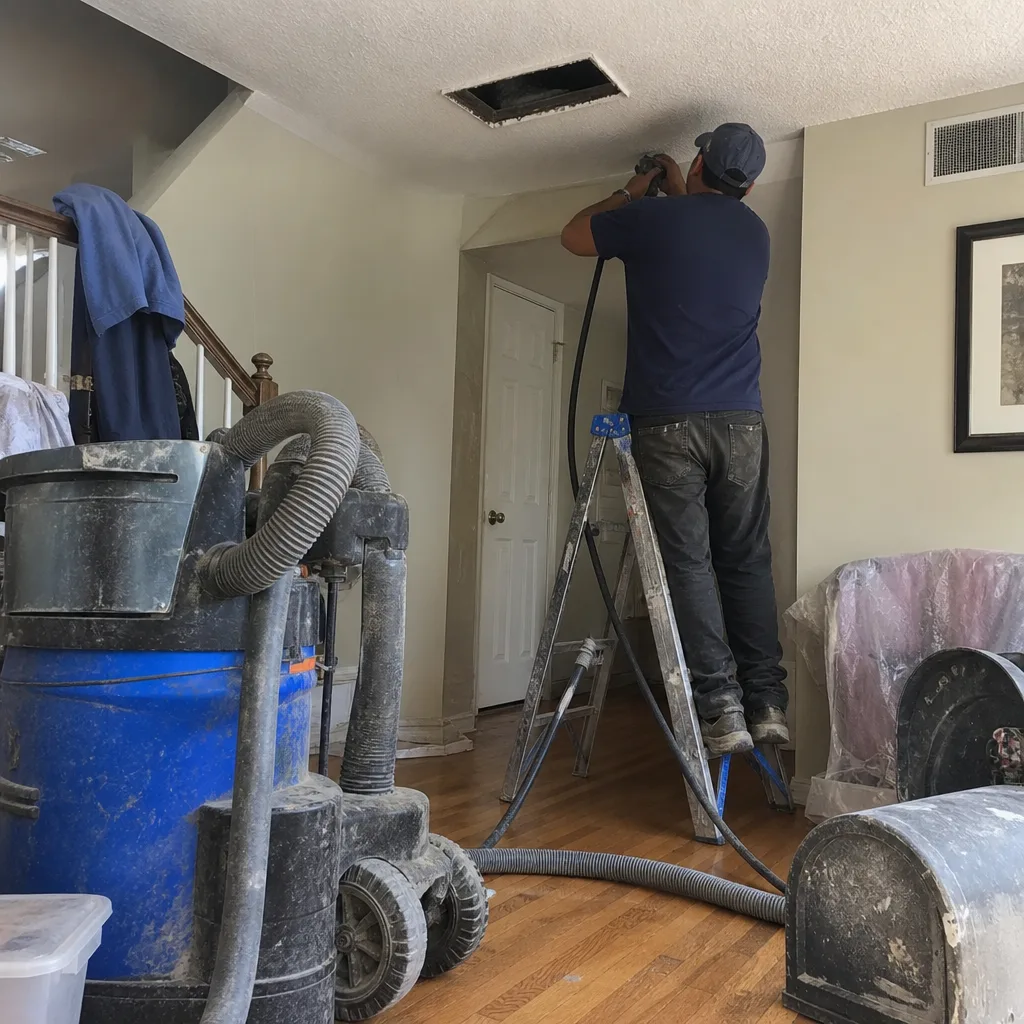 Before
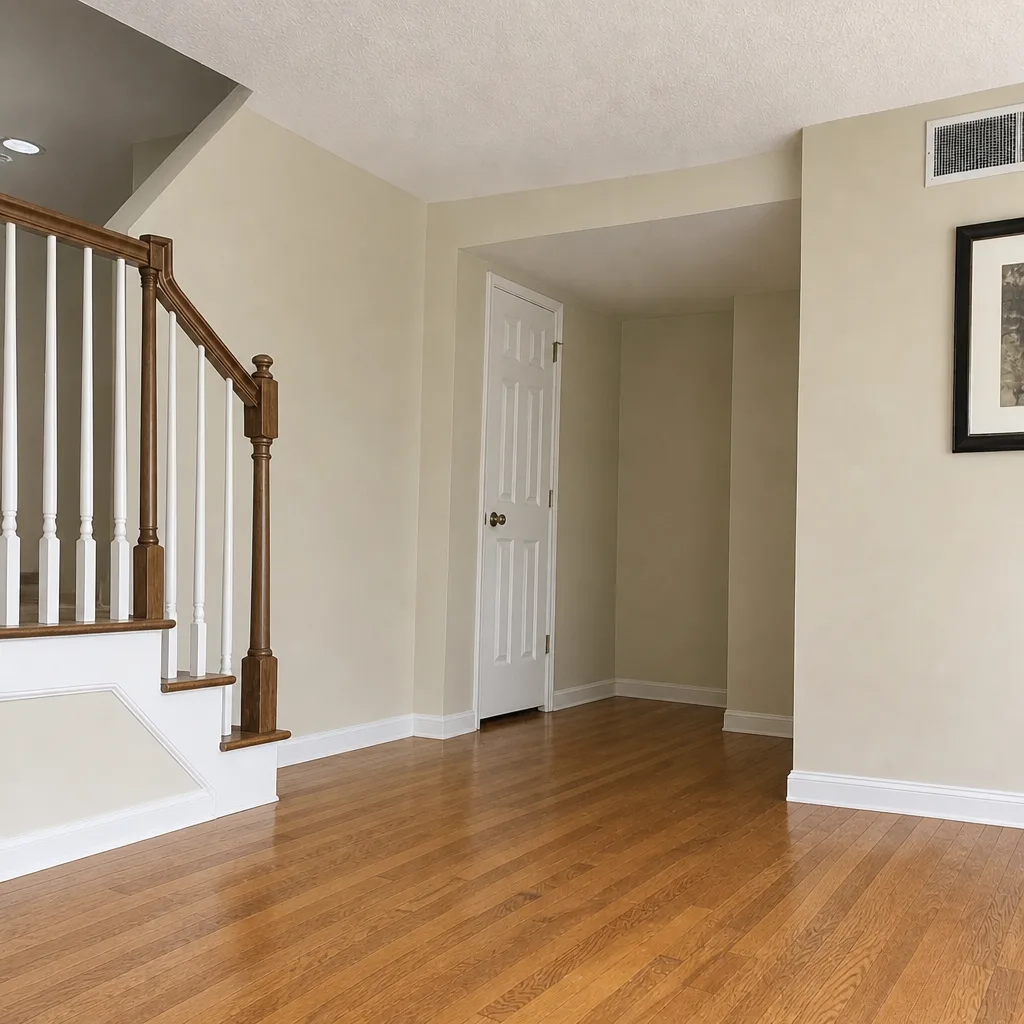 After
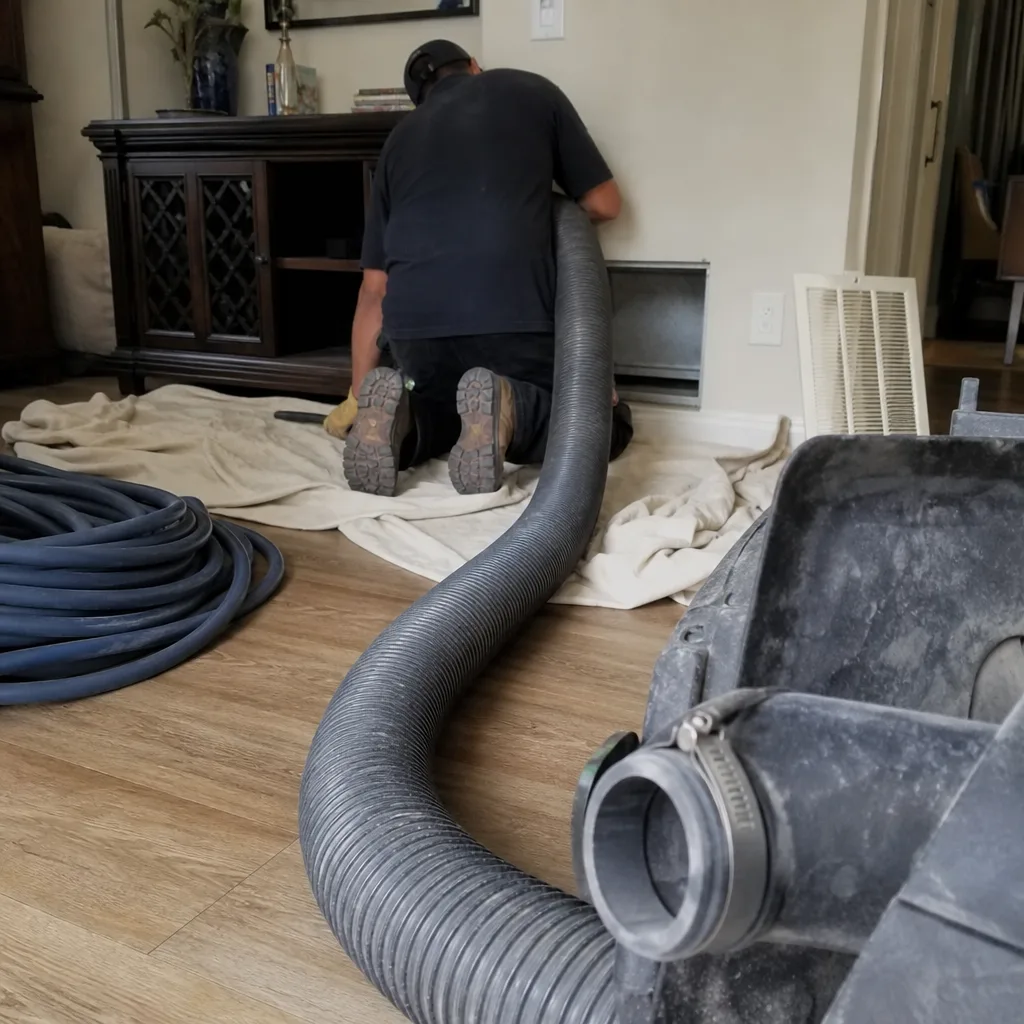 Before
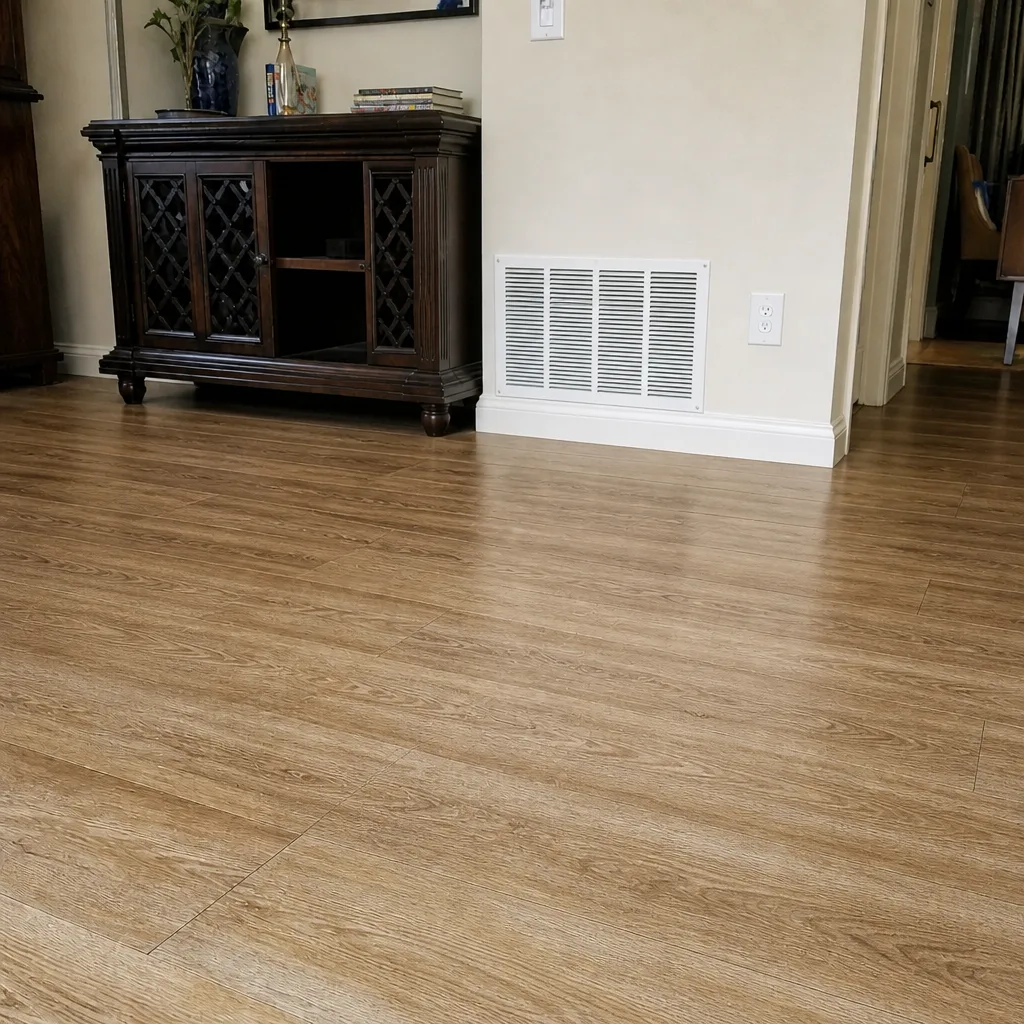 After
When to Call a Professional
If any of the following describes your situation, it’s worth having a licensed local professional look before anything else happens:
- You’re buying or selling a home in Laguna Hills and the property record shows incomplete or missing HVAC permits
- A previous contractor performed duct work you can’t document
- You suspect a UV or filtration system was installed without a permit
- You’ve noticed airflow problems that suggest disconnected or improperly sized ductwork
- You’ve never had the ducts cleaned, and you want both a cleaning record and an assessment of whether any repair work needs a permit
Laguna Hills Air Duct Cleaning offers free estimates in Laguna Hills – call (888) 435-4470. We answer 24/7. Fast dispatch from 7am to 7pm, Sunday through Friday. We’ll document what we find, flag anything that crosses into permit-required work, and give you a written scope before a single tool comes out.
Frequently Asked Questions
No. Routine air duct cleaning does not require a permit in most Orange County jurisdictions, including Laguna Hills. Cleaning is maintenance; it doesn’t modify the mechanical system. A permit becomes relevant when the work shifts to repair, replacement, or modification of the air handler. Call (888) 435-4470 if you’re unsure which category your project falls into – estimates are free.
Cleaning removes debris from the existing system; licensed HVAC work modifies, repairs, or replaces parts of the system itself. That line is drawn by California’s Contractors State License Board and enforced by the C-20 license classification. Cleaning doesn’t require it; modification does. Most homeowners don’t know that difference exists, which is why the wrong company can end up doing work it isn’t licensed for.
Typically yes. A UV light installation inside the air handler opens the mechanical system, and in most cases involves electrical work. That’s licensed contractor territory. In our experience, this is the most common place homeowners end up with unpermitted work – the technician had the tools, the installation looked neat, but the license and permit were missing. Call (888) 435-4470 to talk through your specific case.
Yes. The County of Orange permit portal lets you search by property address. You’ll see any mechanical permits and their inspection sign-offs. If the record looks incomplete, the City of Laguna Hills building department can help you interpret it. That search takes a few minutes and it’s the single best check before any duct-related project or sale.
The buyer’s inspector flags it, the buyer asks for documentation, and if none exists, the seller typically either discloses and negotiates a credit or pays for a permit-and-repair cycle before closing. Neither is catastrophic, but both are avoidable with proper documentation when the work is originally done. A cleaning report paired with the permit record closes that gap.
Yes, if it’s detailed. A cleaning record that includes before-and-after photos, a scope statement, the equipment used, and any recommendations in writing supports an insurance or disclosure claim. A vague invoice that says “cleaned ducts” doesn’t. Call (888) 435-4470 – a proper cleaning report is part of the service, not an add-on.
The Bottom Line
Routine air duct cleaning in Laguna Hills doesn’t require a permit. Duct repair, replacement, and any modification of the air handler do – and that work requires a licensed C-20 contractor. The line between those categories is where most homeowners get exposed, often without realizing it until a sale, an inspection, or an insurance claim brings it up.
The practical defense is straightforward: know what category your project falls into before work starts, verify the company’s license on the CSLB website for anything that crosses into licensed work, check your property permit record before a sale, and keep a cleaning report detailed enough to survive a challenge. Laguna Hills Air Duct Cleaning connects homeowners with vetted local professionals, documents each job with before-and-after photos, and treats documentation as part of the work, not paperwork after the fact.
Call (888) 435-4470 for a free estimate. We answer 24/7. Fast dispatch from 7am to 7pm, Sunday through Friday.
Written by the team at Laguna Hills Air Duct Cleaning.