
Last updated November 24, 2026
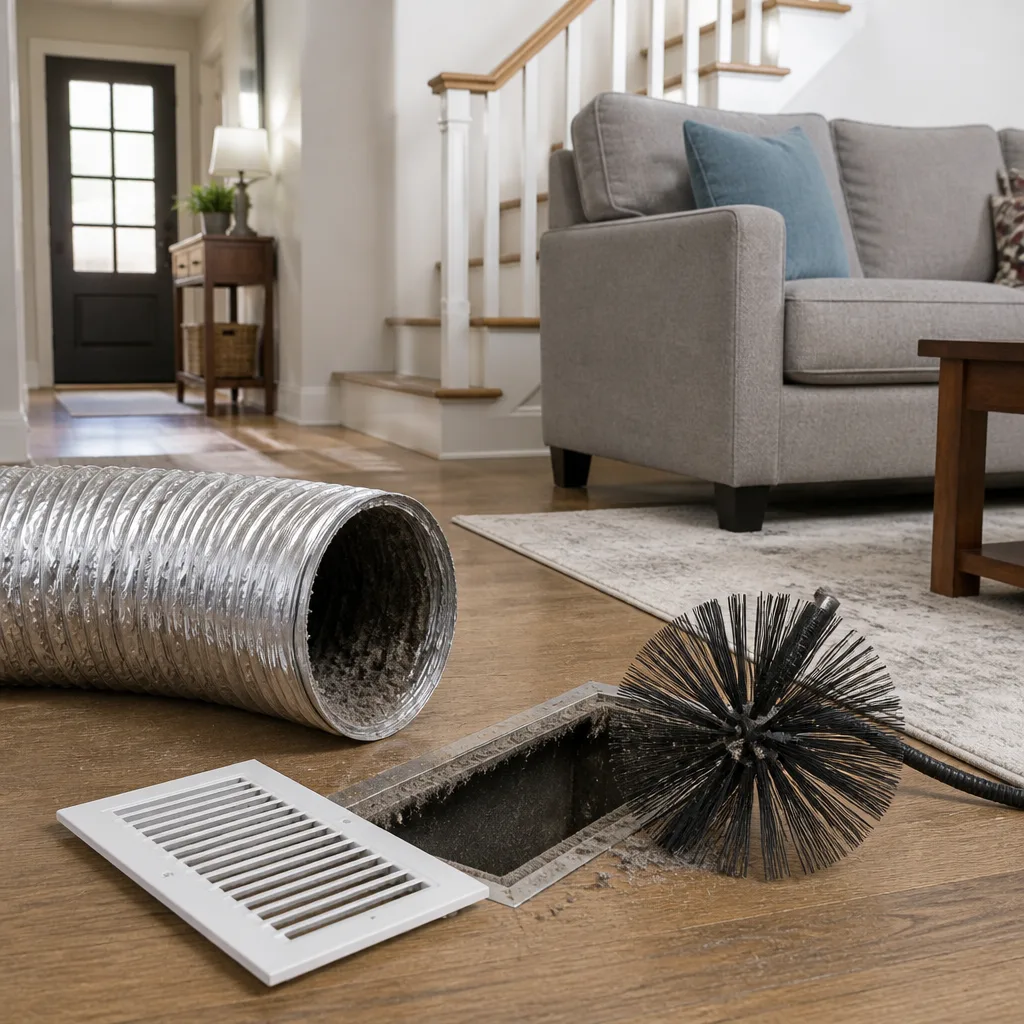 Whole-home duct cleaning
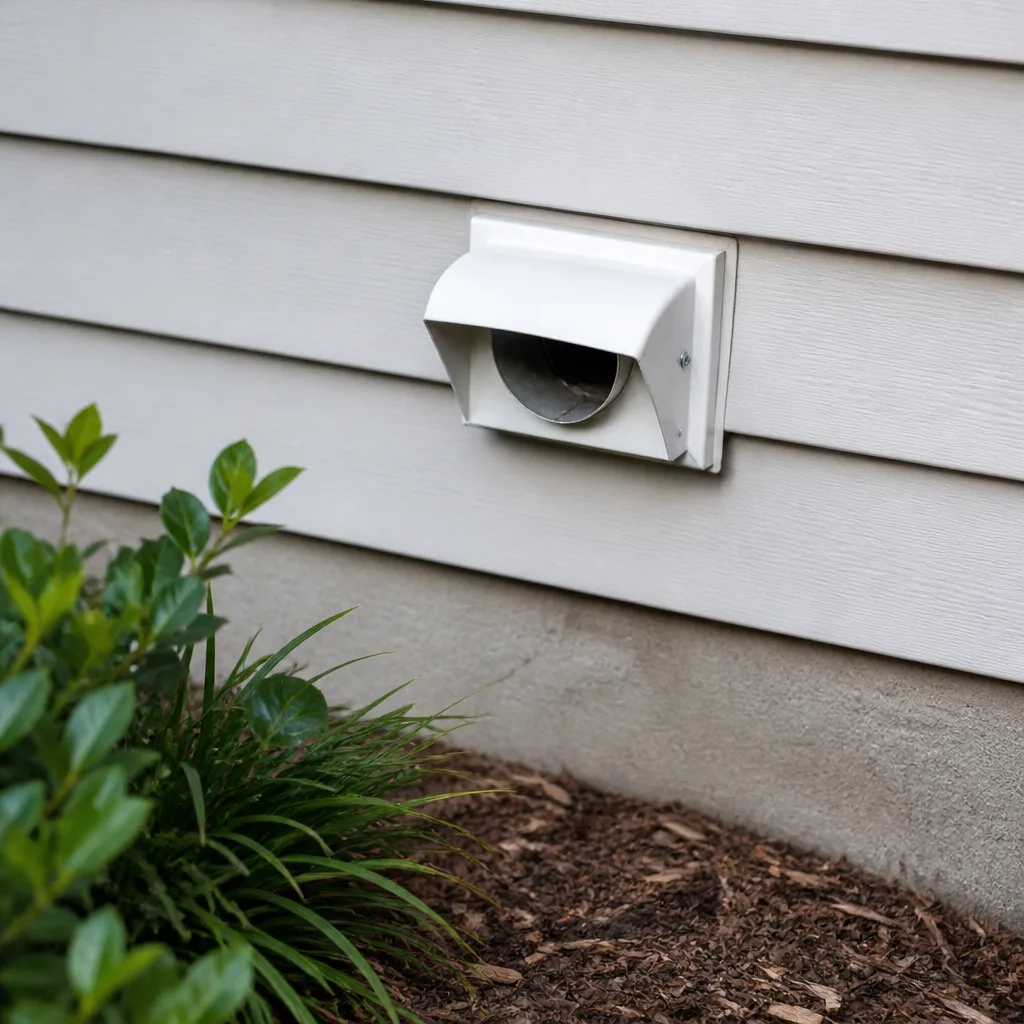 Dryer vent cleaning
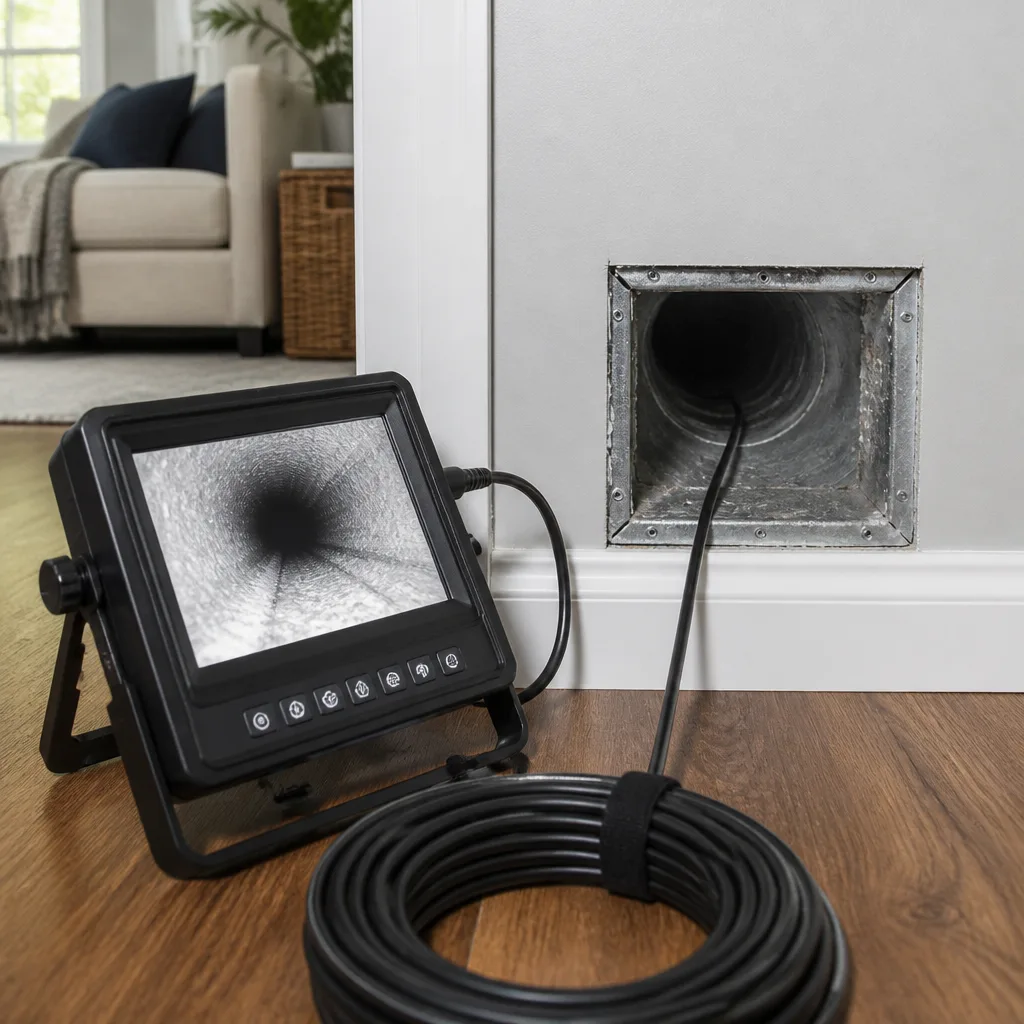 Camera inspection
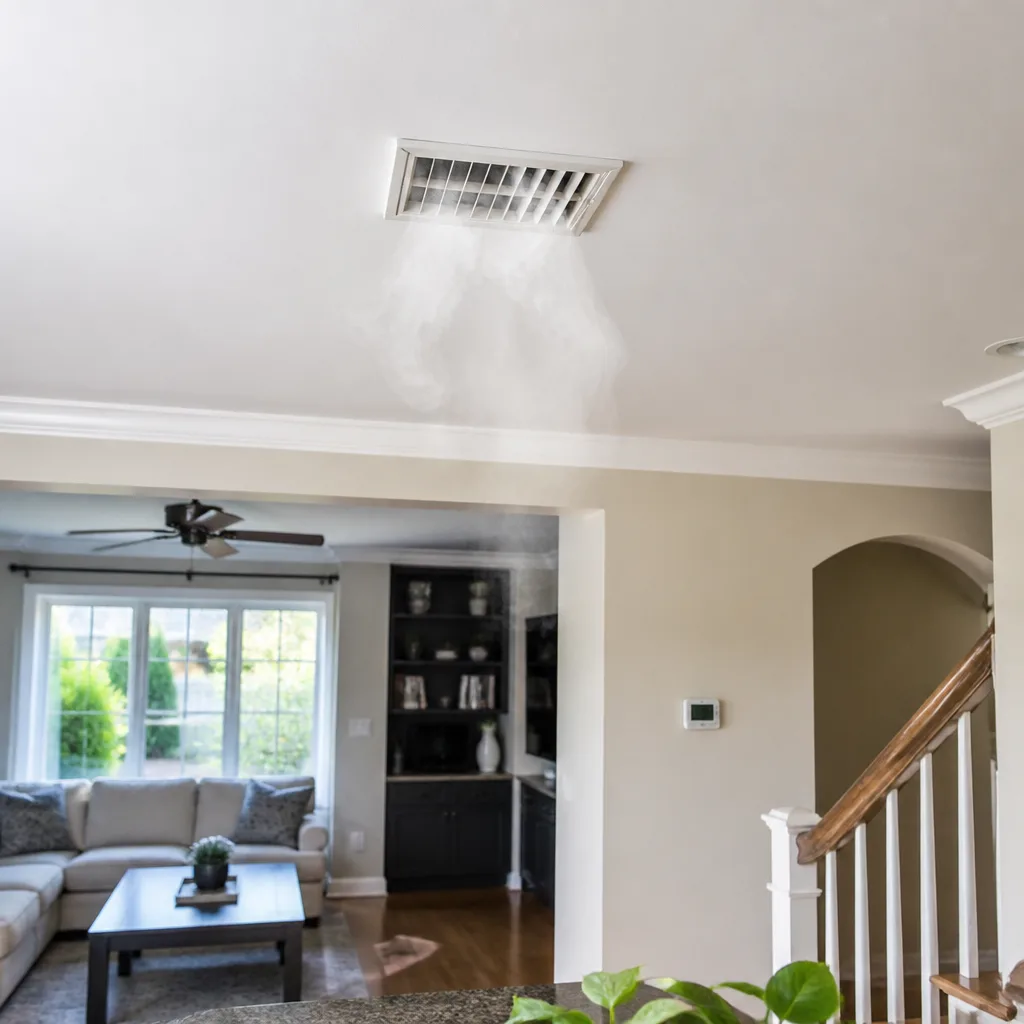 Sanitizing & deodorizing
Whole-system duct and dryer vent check with before-and-after photos - you see exactly what came out of your vents
That "$99 whole-house special" is a bait ad - the real number appears once they are in your hallway, or the "clean" is a shop-vac at the register. We photograph the inside of your ducts before and after instead.
The Complete Guide to Air Duct Cleaning in Laguna Hills
Most homeowners who’ve “had their ducts cleaned” can’t describe a single step of what was done. They remember a van, a hose, maybe a coupon, and a technician who was gone in under an hour. That vagueness is exactly how low-effort operators stay in business. When you don’t know what a real cleaning involves, you can’t tell the difference between a job that was done and a vacuum that just made noise in your hallway. This guide fixes that. We’ll walk you through the actual sequence a legitimate duct cleaning follows in Laguna Hills, what our technicians with up to 12 years of experience look for, and the deliverables you should expect before anyone packs up and leaves.
Quick Answer
A thorough air duct cleaning in Laguna Hills is a sequenced process, not a single pass with a shop vac. It starts with a camera inspection, moves through mechanical agitation with a rotary brush system, extracts debris under negative pressure through HEPA filtration, and ends with documented before-and-after verification of the supply ducts, return ducts, and air handler. Skipping any one of those stages leaves the system dirtier than the invoice suggests.
Styles & brands we work with
- Whole-home duct cleaning
- Dryer vent cleaning
- Camera inspection
- Sanitizing & deodorizing
Table of Contents
- What Actually Happens During a Professional Duct Cleaning
- What Laguna Hills Homes Accumulate in Their Ducts
- Supply, Return, and Air Handler: Why You Can’t Skip Any of Them
- When Sanitizing Is Warranted and When It’s an Upsell
- What a Completed Job Looks Like
- The Equipment That Separates a Real Cleaning from a Vacuum Pass
- How Often Ducts Really Need Cleaning
- What You Can Check Yourself and Where to Stop
What Actually Happens During a Professional Duct Cleaning
A real cleaning is a sequence. Each stage exists because the one before it would be wasted without it. Here’s how the process runs, step by step.
- Pre-inspection with camera. Before any equipment comes off the van, we run a camera through the trunk line and sample runs to see what’s actually in there. Debris type, buildup depth, and any damage to the duct interior get recorded. This is also when we identify flex duct that’s collapsed, disconnected joints, or sections that need repair before cleaning makes sense.
- Source removal with mechanical agitation. A rotary brush system, typically a Rotobrush, is fed through each run. The brush contacts the duct wall and loosens the bonded layer of dust that a plain vacuum can’t lift. Agitation matters: dust in a duct isn’t loose powder sitting on the bottom, it’s a film clinging to the metal or flex liner.
- Negative-pressure extraction. While the brush works one end, a HEPA-filtered collection unit like a Nikro negative-air machine pulls at the other end. The point is to keep loosened debris moving toward the collection unit and out of your living space, not to blow it around the room.
- Air handler and coil inspection. The blower compartment and evaporator coil get checked and cleaned as needed. A clean duct network feeding a dirty coil just re-contaminates itself.
- Post-cleaning verification. The camera goes back in. We photograph the same sections we photographed before. That comparison is the proof that the work happened.
Notice what’s absent from that list: rushing. A proper cleaning takes time because each stage depends on the one before it. If a crew is in and out before you’ve finished your coffee, ask what was actually done. For the full service overview, see our air duct cleaning page.
What Laguna Hills Homes Accumulate in Their Ducts
Duct buildup isn’t generic. It reflects where you live, how the house was built, and what’s happening around it. Laguna Hills sits in a part of Orange County where three specific sources tend to show up in the same system.
Construction dust from ongoing OC development
Orange County has been under near-constant construction for years, and Laguna Hills has absorbed its share of it. Fine gypsum and concrete dust from nearby building activity travels on the air and settles into return ducts, especially in homes near newer development. That dust is abrasive and slightly alkaline, which is why it leaves a chalky residue on grilles.
Wildfire ash from nearby canyon zones
The canyons east and south of Laguna Hills see fire activity most years, and prevailing winds push ash into residential neighborhoods. Ash particles are small enough to pass standard filters and settle deep in the duct run. Once there, they don’t leave on their own.
Everyday household particulate
Pet dander, cooking aerosol, and the lint that sheds from clothing all contribute. In Laguna Hills homes with forced-air systems running much of the year, that material accumulates faster than homeowners expect. Mild winters mean the system rarely gets a long seasonal break, so the fan keeps distributing whatever is sitting in the ducts.
If you want to see what’s actually collected, pop a supply register and look at the inside of the boot with a flashlight. What you see in that first inch is a reasonable preview of the rest of the run.
Supply, Return, and Air Handler: Why You Can’t Skip Any of Them
Your duct system has three parts, and cleaning one without the others is like mopping a floor while the ceiling drips. Here’s how they differ and why each matters.
- Supply ducts carry conditioned air from the air handler to your rooms. They’re the visible side, the ones behind the registers. Because they run at positive pressure, they push debris out into the living space, which is why they need agitation and extraction rather than a simple vacuum.
- Return ducts pull air back to the system. They run at negative pressure, so they act like a straw, drawing dust, hair, and dander toward the air handler. Return trunk lines are usually the dirtiest part of the system and the most often skipped.
- The air handler and evaporator coil sit at the center. If the coil is fouled, every cubic foot of air passing through it picks up whatever’s growing or sitting on the fins. Cleaning supply and return without touching the coil means the system re-contaminates within weeks.
This is why we treat cleaning as one job across all three sections. A company that only cleans the supply runs you can see has done half the work and left the other half feeding the first. If you’re also due for a system-level cleaning, our HVAC cleaning service covers the air handler, blower, and coil in the same visit.
When Sanitizing Is Warranted and When It’s an Upsell
Sanitizing gets sold to nearly everyone and is genuinely needed by some. The difference comes down to what the inspection found.
Sanitizing is warranted when there’s evidence of biological growth: visible mold or mildew in the duct interior, a musty smell that returns after cleaning, or a history of water intrusion into the system. It’s also reasonable after a rodent or pest issue has been resolved, or in a home where someone has documented respiratory sensitivities and the ducts show heavy organic buildup.
It’s not warranted as a default add-on to every cleaning. Clean metal and flex duct with ordinary dust doesn’t need a chemical fog. When sanitizing is appropriate, it happens after debris removal, not before, because a sanitizing agent sprayed onto a dirty duct can’t reach the surface it’s meant to treat. We use Guardsman products applied through an Abatement Technologies-compatible fogger, and the treatment is documented just like the cleaning itself.
Ask any contractor one question before agreeing to sanitizing: what did the inspection show that calls for it? A specific answer is a good sign. A vague one about “germs” or “air quality” is a sales script.
If sanitizing comes up alongside concerns about filtration or humidity, ask whether a better filter or a whole-home component makes sense. We work with and install Honeywell and Aprilaire equipment, so any recommendation is backed by hands-on experience with both lines rather than a catalog.
What a Completed Job Looks Like
The clearest way to know whether a duct cleaning was real is to ask what you’ll receive when it’s done. A legitimate operation delivers documentation without being asked. Here’s what should be in your hands at the end.
- Before-and-after photos of your own ducts. Not stock images, not a generic gallery. Photos of the sections inside your system, taken through the inspection camera at the start and again at the end.
- HEPA bag or collection documentation. Some crews show you the collected material, and the HEPA bag itself can be photographed and dated. This is minor evidence, but it exists.
- A written summary of what was cleaned. Supply runs, return runs, trunk line, and air handler should all be listed. If any section was skipped, the summary should say so and explain why.
- A technician walk-through. A brief in-person walk with you covering what was found, what was cleaned, and anything the inspection surfaced that needs attention down the line. Duct repair, a disconnected joint, or a collapsed flex run are the most common findings.
If a contractor can’t offer before-and-after photos, that alone is a reason to keep looking. We document what’s inside before and after because it’s the only honest way to prove the work. For related work on duct repair and sealing, our team covers the full lifecycle through the same visit, without subcontracting.
The Equipment That Separates a Real Cleaning from a Vacuum Pass
Equipment is the least glamorous part of this conversation and the most predictive. The tools tell you what kind of operation you’re dealing with before anyone touches your ducts.
Contractor-grade equipment, not consumer shortcuts, is the standard. The names that matter in this trade are Rotobrush, Nikro, and Abatement Technologies. Each has a specific role:
- Rotobrush rotary brush systems provide the mechanical agitation that breaks the bonded layer of dust off the duct wall. A plain vacuum can’t do this, which is why “vacuum-only” cleanings leave the film behind.
- Nikro negative-air machines create the pressure differential that draws loosened debris into a HEPA-filtered collection unit. They’re the same platform commercial remediation contractors use in mold and contaminant containment work, which is why we rely on them.
- Abatement Technologies air filtration units handle on-site containment and air scrubbing, particularly on jobs where debris volume is high or where sanitizing follows. They’re the standard in mold and contaminant containment, and we use them for the same reason remediation pros do.
A shop vac and a length of dryer hose are not a duct cleaning system. If you see that on arrival, the job isn’t going to be what was promised, and no amount of time on site changes that.
If your dryer vent is due as well, that’s a separate and important service. Read our dryer vent cleaning guide for how lint accumulation becomes a fire hazard and what a proper cleaning involves.
How Often Ducts Really Need Cleaning
The honest answer is that most homes don’t need annual cleaning, and a few need it more often than the general recommendation suggests. Here’s the framework we use.
For a typical Laguna Hills home with no pets, no smokers, and no recent renovation, cleaning every three to five years is reasonable. That’s a general guideline, not a rule, and it’s worth confirming with an inspection rather than a calendar.
Cleaning is worth doing sooner when:
- You’ve completed a renovation or moved into a recently built home, since construction dust settles into the system long after the last drywall is hung.
- You’ve had a wildfire event push visible ash into the neighborhood.
- There’s visible mold or a persistent musty smell that returns after cleaning.
- Pets live indoors, particularly multiple animals or heavy shedders.
- Someone in the home has allergies or respiratory conditions that seem worse indoors.
- You’ve had a pest or rodent issue in the ductwork.
Notice that “every year” isn’t on that list. A contractor who tells you annual cleaning is mandatory for every home is selling a schedule, not a result.
For most Laguna Hills properties, an inspection first and a cleaning only when the inspection justifies it is the right order.
What You Can Check Yourself and Where to Stop
Some parts of duct care are safely within reach of any homeowner. Others aren’t, and knowing the line protects your system and your safety.
Safe and useful checks:
- Remove a supply register and look inside the boot with a flashlight.
- Change your air filter on the schedule the manufacturer recommends for your system.
- Check that all registers are open and unobstructed by furniture or rugs.
- Look for disconnected flex duct near the air handler, which is often visible.
- Sniff near returns for a persistent musty odor.
Where to stop: anything involving opening the air handler cabinet, working near the electrical components of the blower, or reaching into ductwork past the register boot. High-voltage components sit inside the air handler, and the interior of the cabinet isn’t a safe place for a homeowner to explore. If you suspect a problem past the register, that’s a job for a trained technician. A camera inspection is quick and answers the question definitively.
Same caution applies to cleaning a dryer vent run: lint near a heating element is a genuine fire hazard, and dismantling a vent assembly without knowing how it’s secured can leave the joint loose. We handle dryer vents as a dedicated service for that reason, not as an add-on.
Call (888) 435-4470 for an inspection if anything you find gives you pause.
Common Mistakes to Avoid
- Accepting a price without knowing what it covers. A low bid that turns out to cover only the supply runs is not the same job as a full-system cleaning. Ask in writing which sections will be cleaned before anyone arrives, and insist on a flat price per system agreed before work starts rather than per-vent pricing.
- Skipping the return ducts. In Laguna Hills homes that run the forced-air system most of the year, the returns often carry the heaviest buildup, and they’re the easiest section to leave out of a quote. If returns aren’t on the scope, the work is incomplete.
- Trusting a cleaning with no proof. Before-and-after photos are the documented proof that the job happened. Without them, you’re relying on the word of someone who just spent an hour alone in your house.
- Agreeing to sanitizing before cleaning. Sanitizing applied to a dirty duct can’t reach the surface it’s meant to treat. Cleaning first, sanitizing second, and only when the inspection calls for it.
- Using consumer-grade vacuums for a full cleaning. Rotobrush and Nikro exist for a reason. A shop vac doesn’t move enough air or capture fine particulate, and it can stir debris into your living space rather than remove it.
- Ignoring the air handler and coil. Cleaning supply and return ducts while leaving a fouled coil is a job that re-contaminates itself. The air handler is part of the system, and the cleaning scope should say so.
- Assuming every home needs annual cleaning. A schedule set by an inspection is worth more than a calendar set by a salesperson. Ask what the inspection found, and let that drive the timing.
See the difference
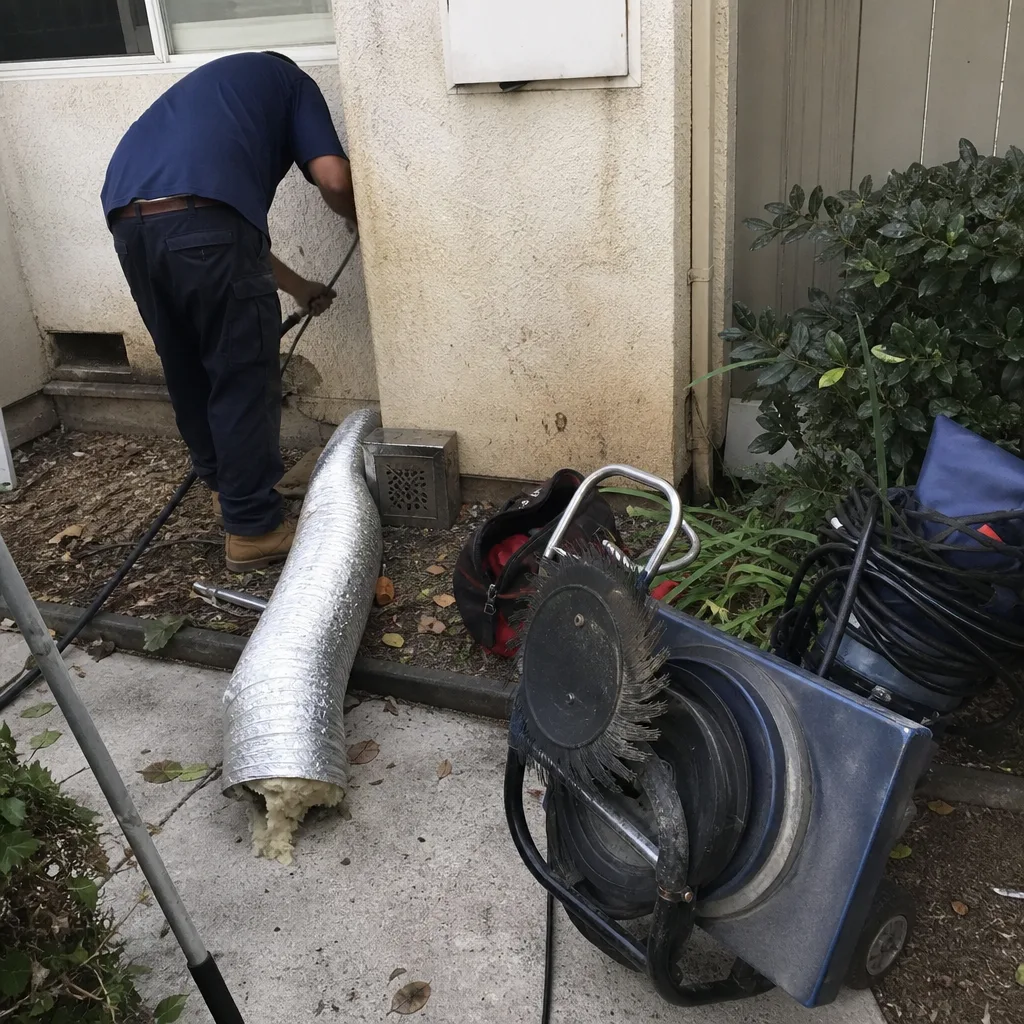 Before
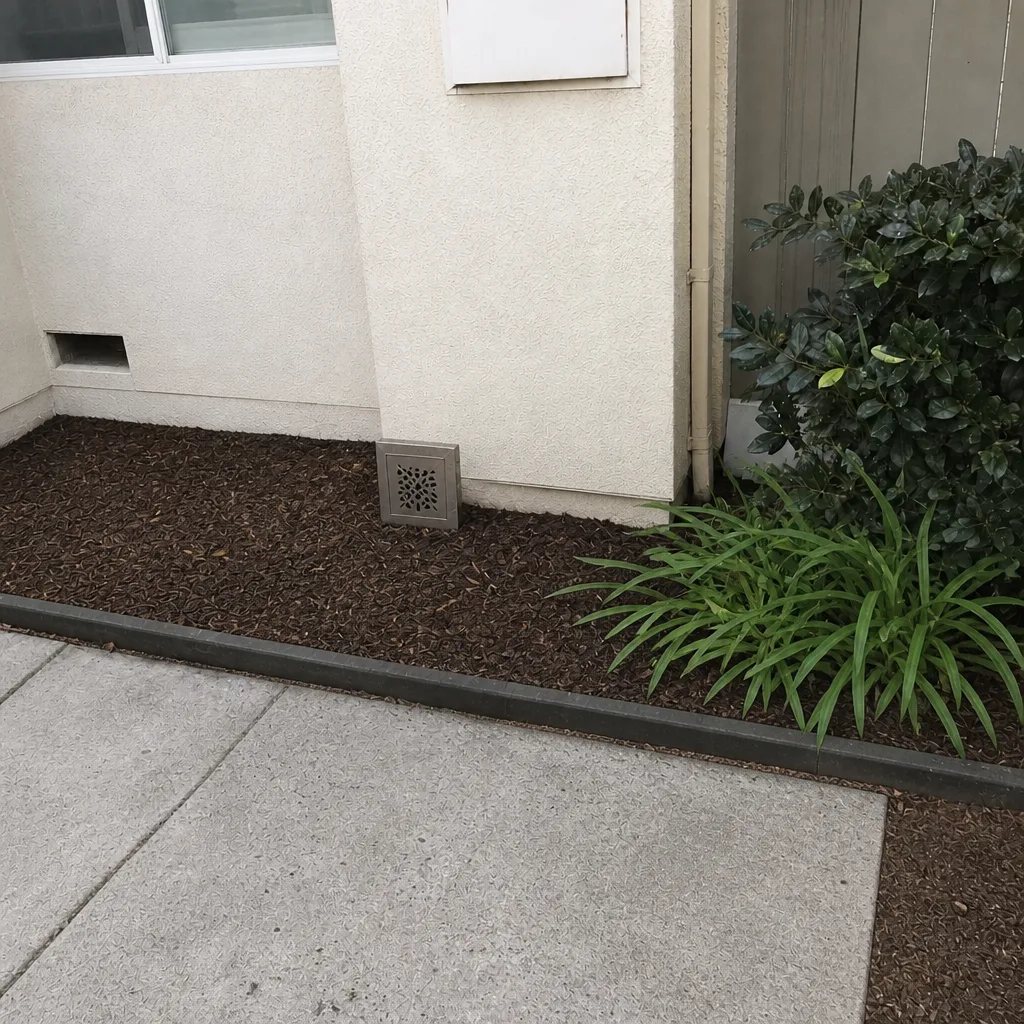 After
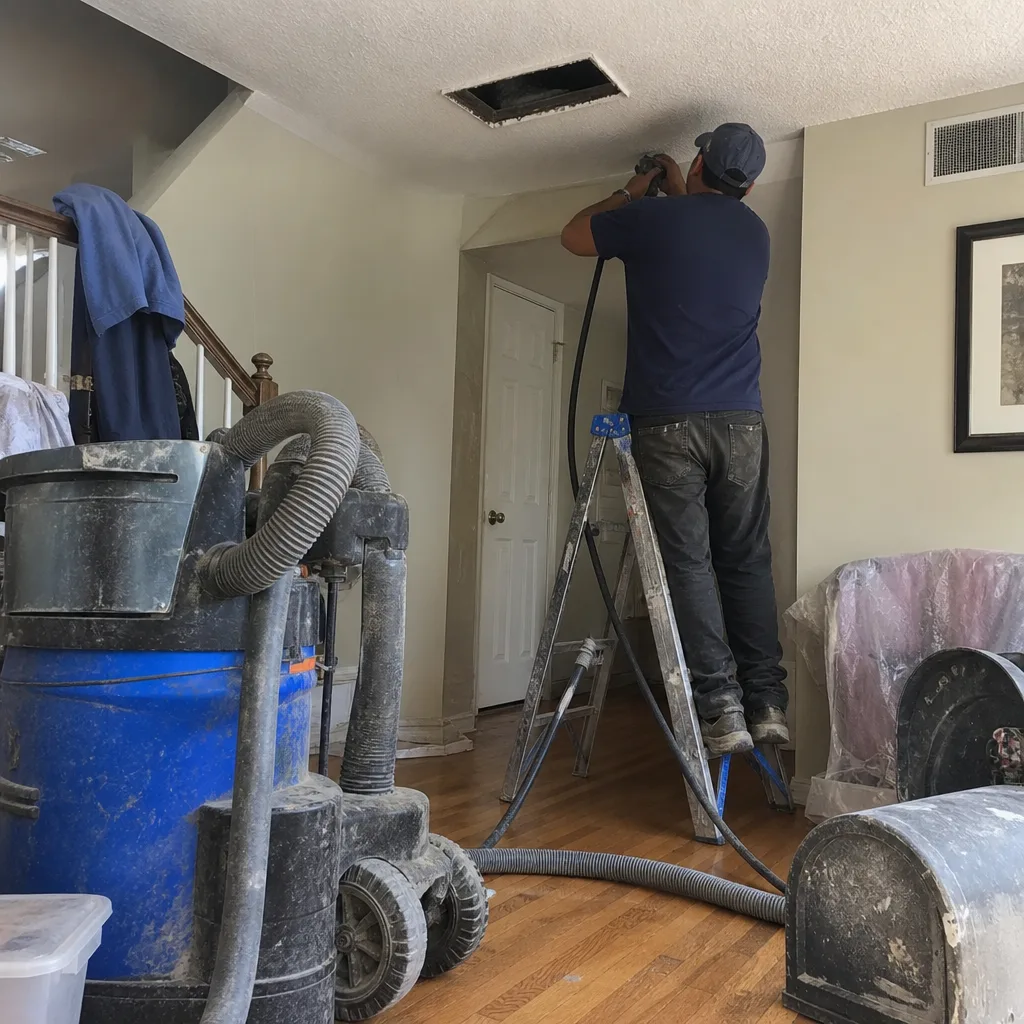 Before
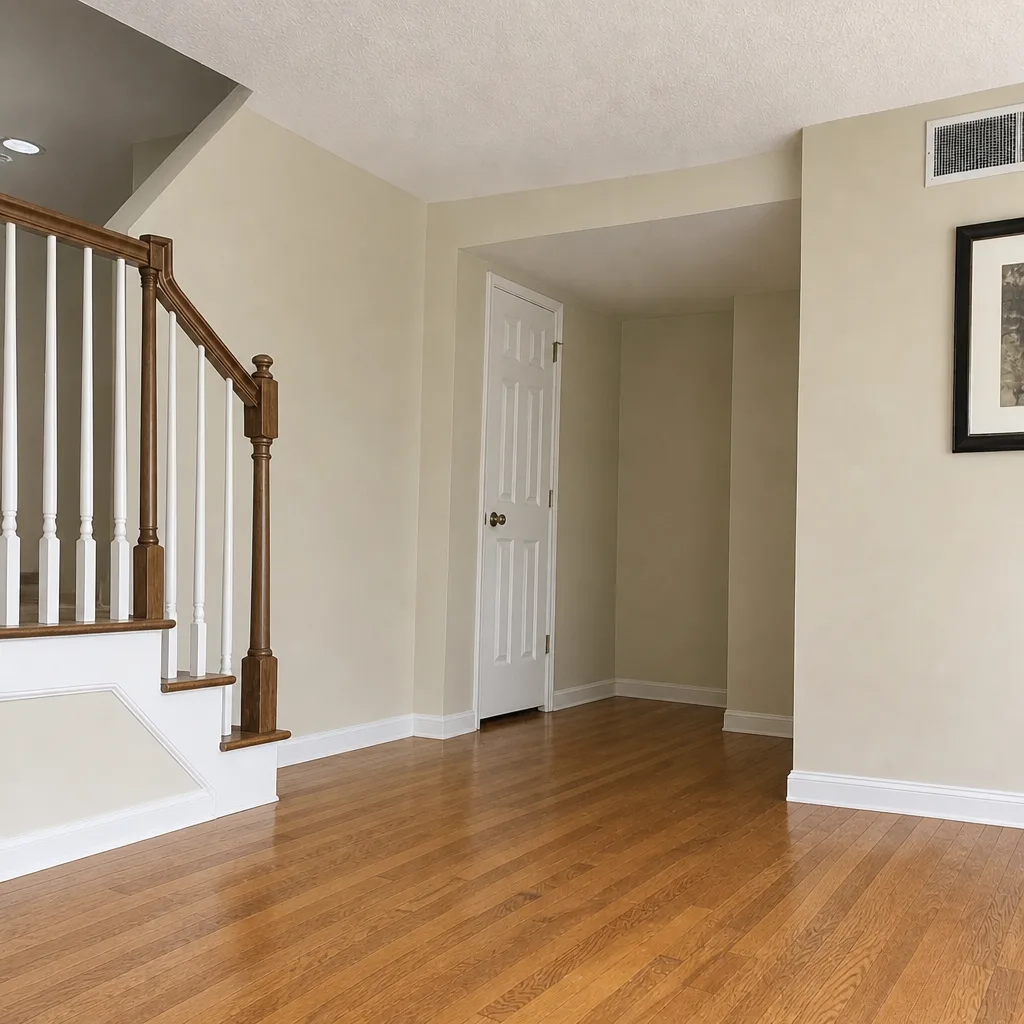 After
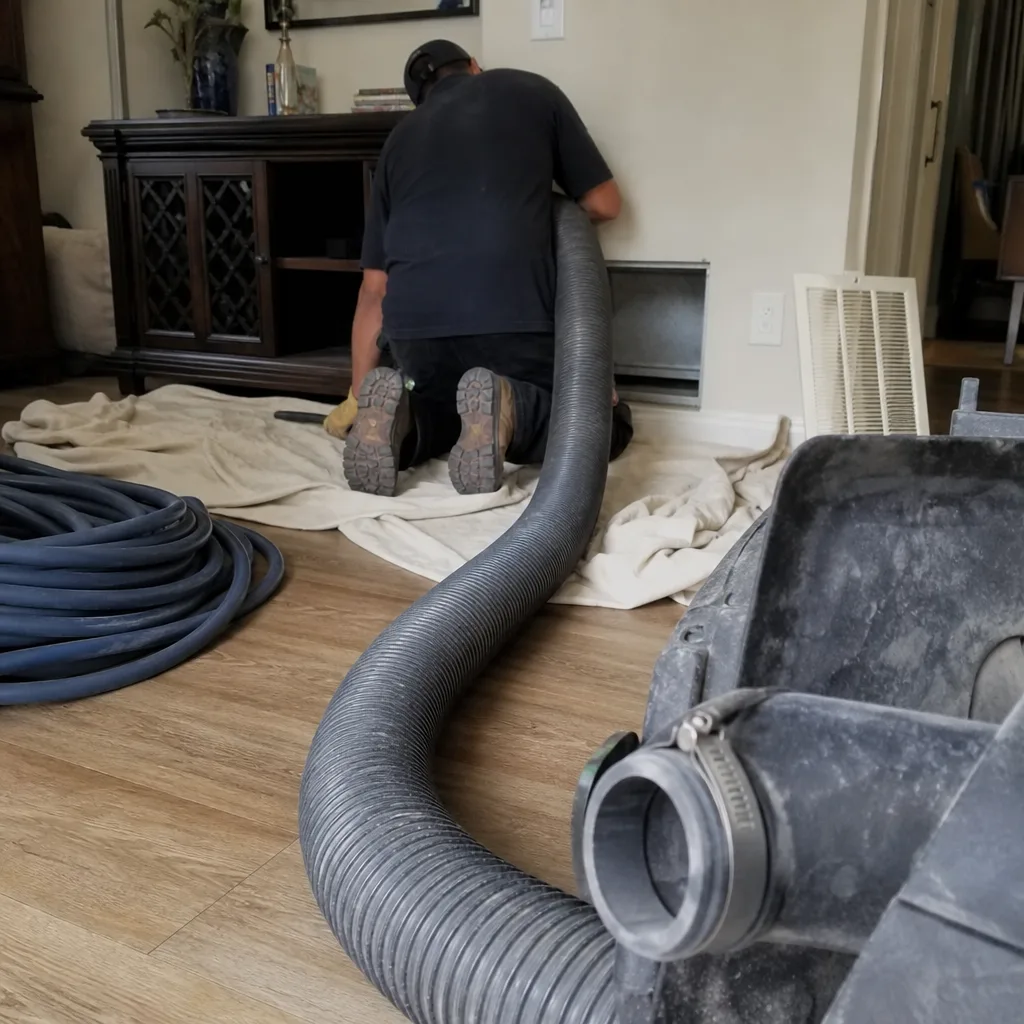 Before
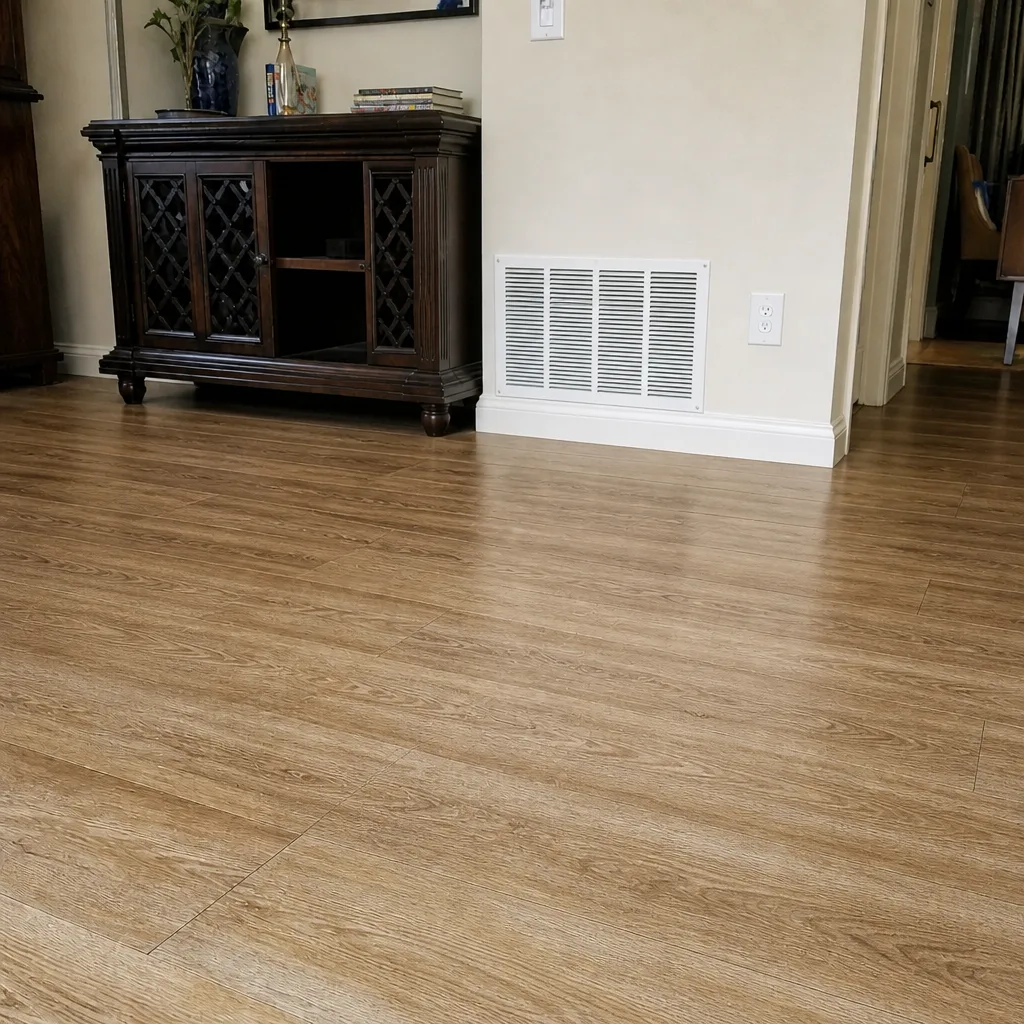 After
When to Call a Professional
Some situations call for a professional without much debate. If you’ve got visible mold or mildew inside a register boot, a musty smell that returns after a cleaning attempt, or a rodent issue that may have left contamination in the ducts, call us. If you’re renovating or have just finished one, a post-construction cleaning is often worth scheduling before the system runs for the season. And if you simply don’t know the last time your Laguna Hills home’s ducts were cleaned, an inspection is the way to find out without committing to a full job upfront.
Laguna Hills Air Duct Cleaning offers free estimates in Laguna Hills. Call (888) 435-4470. We answer 24/7. Fast dispatch from 7am to 7pm, Sunday through Friday.
Frequently Asked Questions
Air duct cleaning in Laguna Hills typically runs in the range of a few hundred dollars for a standard single-system home, with the final number depending on the number of runs, whether the air handler and coil are included, and whether sanitizing follows the cleaning. We don’t quote per vent, and we don’t use teaser pricing that changes once a technician is on site. You’ll get a flat price per system, agreed in writing before work starts. Call (888) 435-4470 for an exact quote. Estimates are free.
Cheap quotes are cheap because they cover less: usually supply registers only, no return trunk, no air handler, and a consumer vacuum instead of negative-pressure extraction. A quote that assumes no camera inspection and no post-cleaning verification is a fundamentally different scope of work. The question isn’t which bid is lower, it’s which bid describes the job you actually want done. Call (888) 435-4470 to compare scope, not just price. Estimates are free.
You’ll have before-and-after photos of your own ducts, not a stock gallery, along with a written summary of which sections were cleaned. A technician walk-through at the end covers what was found and anything flagged for future attention. If a contractor can’t provide documentation like that, that tells you something. Call (888) 435-4470 to see what a documented cleaning looks like. Estimates are free.
Mild winters mean forced-air systems run much of the year, and ash from nearby canyon fires plus ongoing Orange County construction dust add to normal household particulate. That combination tends to build up faster than in regions with a clear heating and cooling season. An inspection every few years is a reasonable way to stay ahead of it. Call (888) 435-4470 to schedule one. Estimates are free.
Sanitizing is worth it when the inspection shows biological growth, a musty smell that returns after cleaning, or a resolved pest issue. It’s an upsell when it’s sold as a default add-on to every cleaning. Ask what the inspection found that calls for it, and insist the sanitizing happens after cleaning, not before. We use Guardsman products and Abatement Technologies-compatible foggers where the inspection supports it. Call (888) 435-4470 to discuss your situation. Estimates are free.
Yes. Dryer vent cleaning is a dedicated service, not an afterthought, because a dryer vent clogged with lint is a fire waiting for a spark. It’s handled as its own job with its own inspection and documentation. If both are due, we can usually schedule them together. Call (888) 435-4470 for a free estimate on both.
The Bottom Line
A thorough air duct cleaning in Laguna Hills is a sequence, not a single pass. Camera inspection first, mechanical agitation with a rotary brush next, negative-pressure extraction through HEPA filtration, then air handler and coil attention, and documented verification at the end. Skipping any stage means the work is incomplete, no matter how confident the invoice sounds. Supply and return ducts plus the air handler have to be cleaned together. Sanitizing happens only when the inspection warrants it, using products like Guardsman and equipment like Abatement Technologies foggers. The deliverables at the end (before-and-after photos, a written summary, a walk-through) are the proof. If a contractor can’t provide any of that, you’ve learned something. If you’d like the work done right, call (888) 435-4470 for a free estimate. We answer 24/7. Fast dispatch from 7am to 7pm, Sunday through Friday.
For a full look at our air quality, repair, and sealing services, start with our Laguna Hills Air Duct Cleaning page.
Written by the team at Laguna Hills Air Duct Cleaning.