
Last updated November 24, 2026
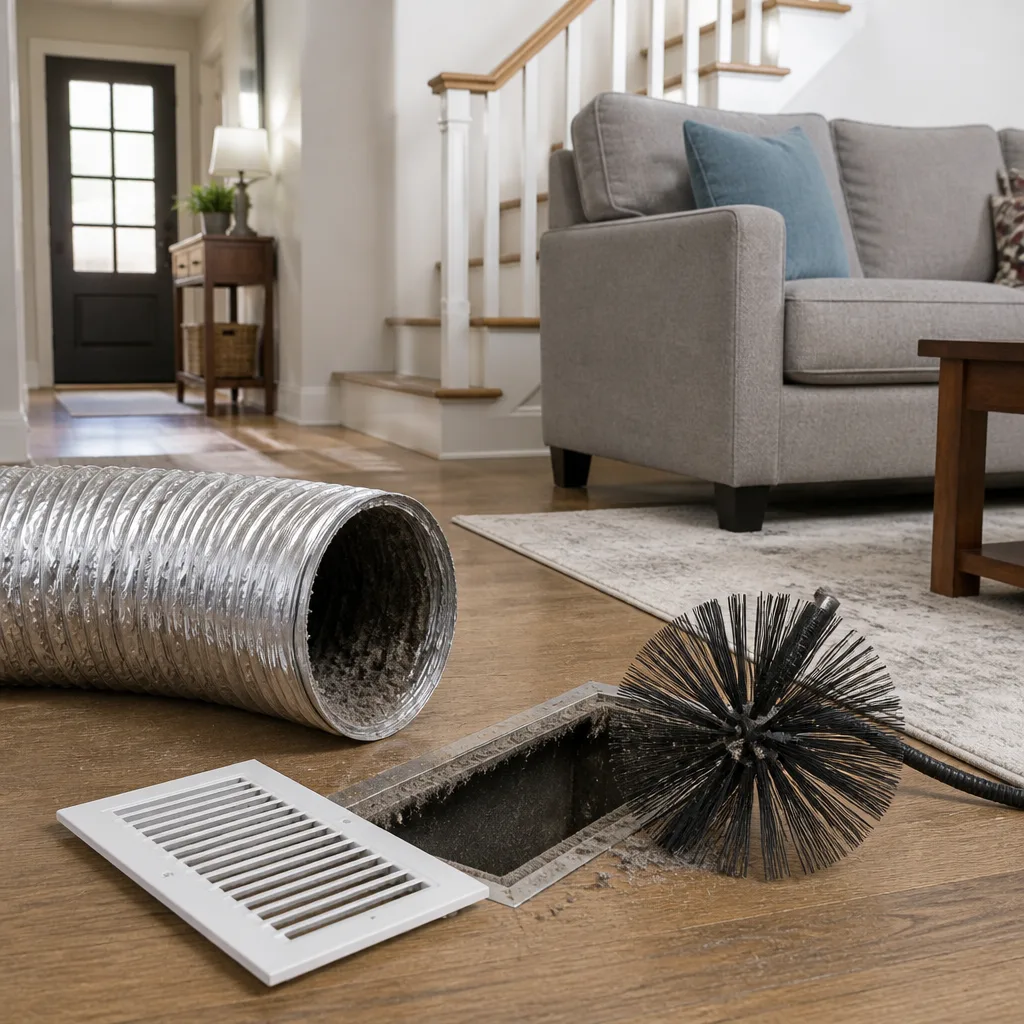 Whole-home duct cleaning
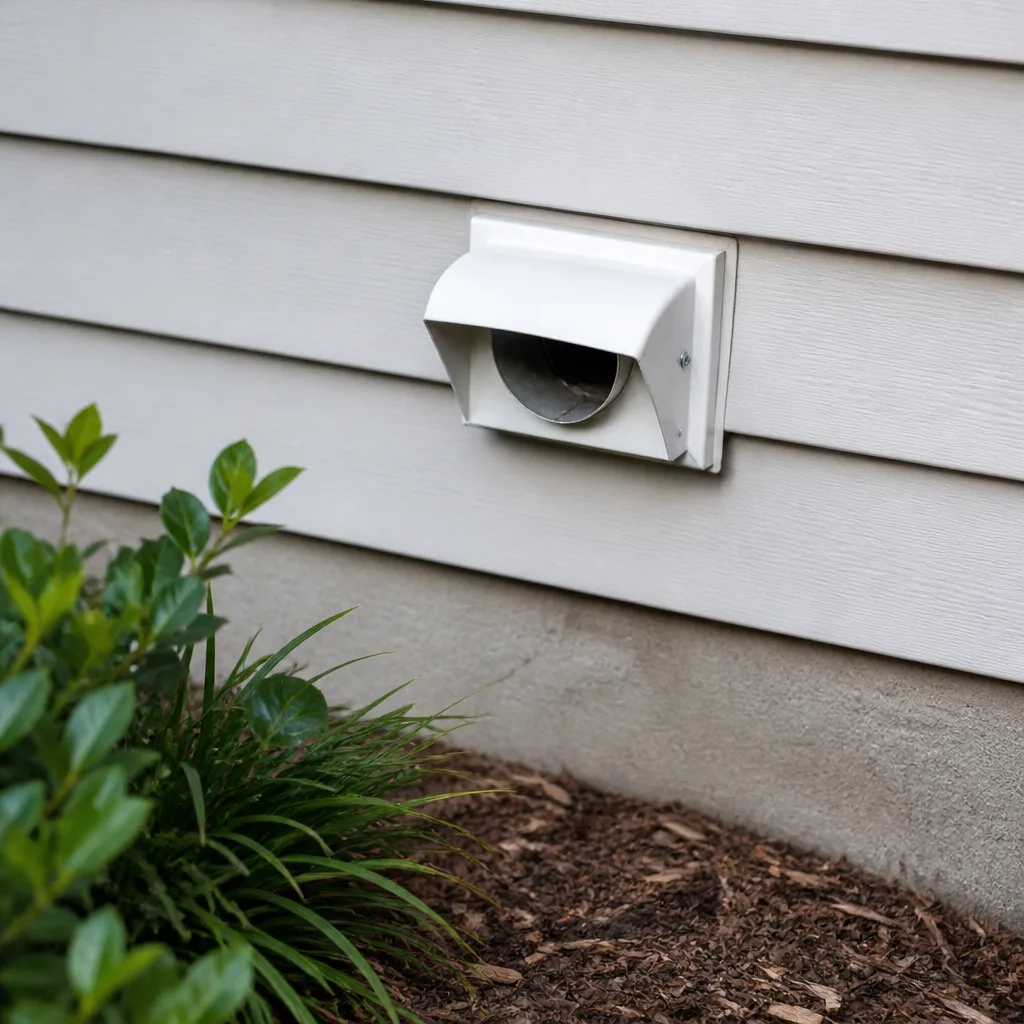 Dryer vent cleaning
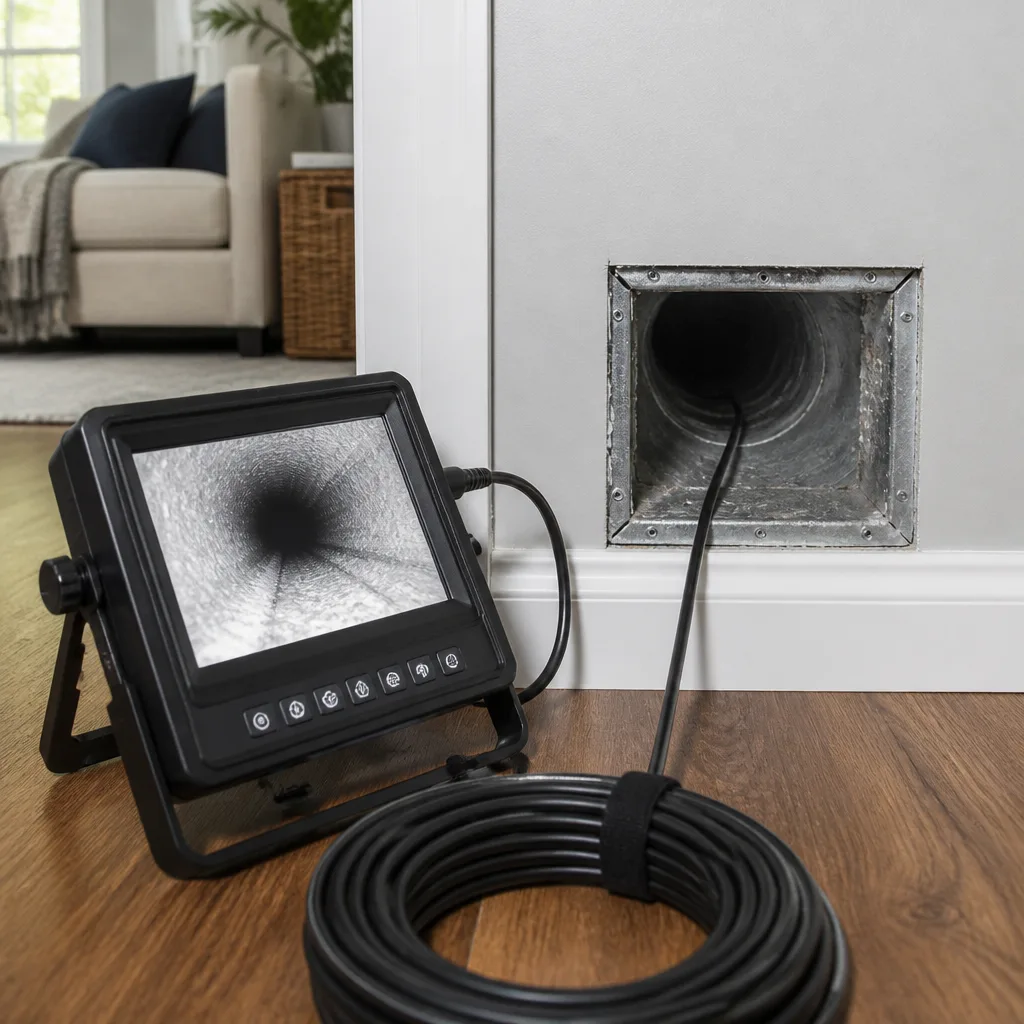 Camera inspection
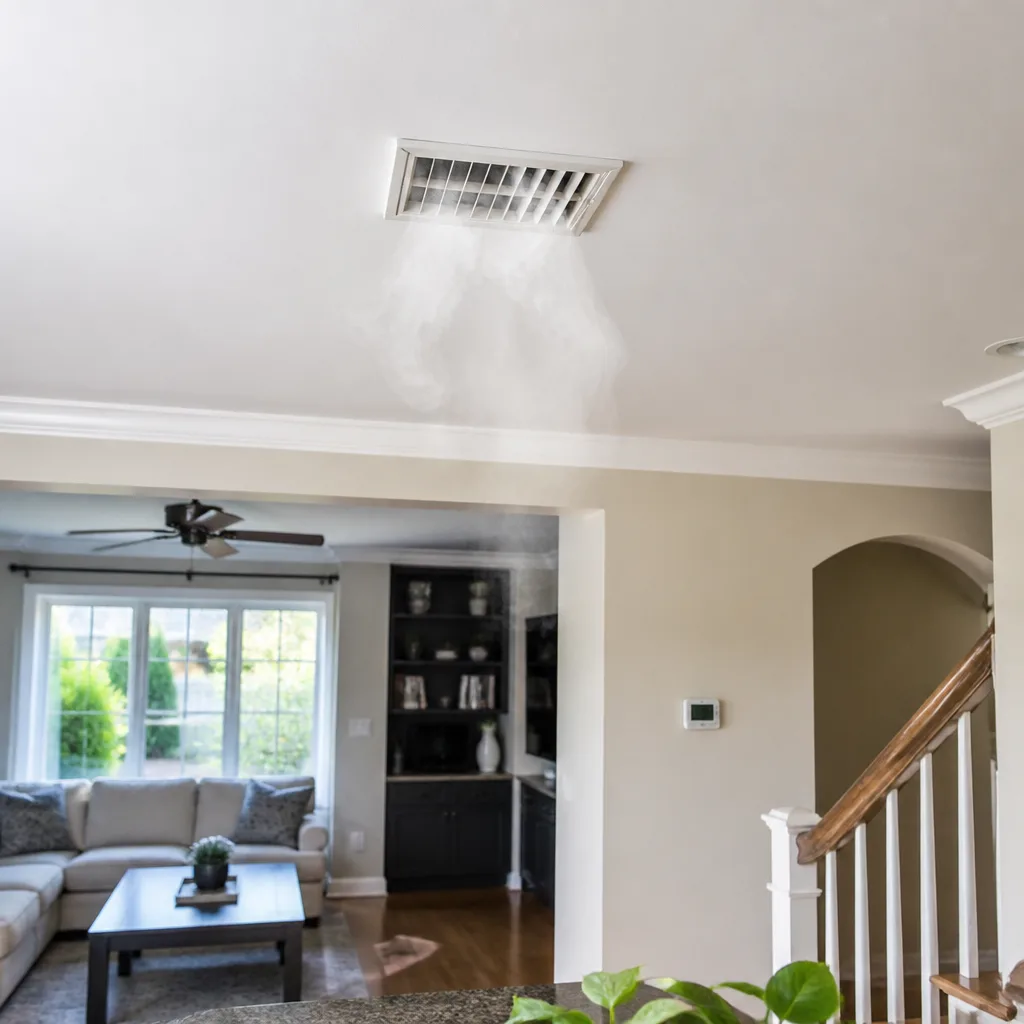 Sanitizing & deodorizing
Whole-system duct and dryer vent check with before-and-after photos - you see exactly what came out of your vents
That "$99 whole-house special" is a bait ad - the real number appears once they are in your hallway, or the "clean" is a shop-vac at the register. We photograph the inside of your ducts before and after instead.
How to Hire an Air Duct Cleaning Contractor in Laguna Hills: A Step-by-Step Guide
Here’s the part almost nobody tells you: in California, there is no state license specifically for air duct cleaning. The person offering a $49 whole-house special out of the back of an unmarked van and a contractor running a Nikro negative-air machine are, legally, on the same footing until you start asking questions. The credential you’re used to relying on – a license board, a plumbing cert, an electrical sign-off – doesn’t exist for this trade at the technician level. That puts the entire burden of vetting on you, the homeowner or property manager in Laguna Hills. What follows is the process we’d walk a friend through: what to ask before anyone touches your system, how to read an estimate, what equipment should show up, and the red flags that show up again and again in Orange County.
Quick Answer
To hire an air duct cleaning contractor in Laguna Hills, screen for four things: a contractor who references the NADCA ACR standard unprompted, a pre-job inspection that documents register count and system condition before quoting, a source-removal vacuum with a real CFM rating paired with rotary contact agitation, and a written estimate that itemizes what’s included and what’s excluded. Star ratings tell you almost nothing here. The questions you ask on the phone tell you everything.
Styles & brands we work with
- Whole-home duct cleaning
- Dryer vent cleaning
- Camera inspection
- Sanitizing & deodorizing
Table of Contents
- Why the Duct Cleaning Industry in California Is Largely Unregulated
- Using the NADCA ACR Standard as a Screening Tool
- The Equipment Questions That Expose a Low-Quality Operator
- What a Legitimate Pre-Job Inspection Includes
- What a Valid Estimate Should Itemize
- Laguna Hills Red Flags to Watch For
- Cleaning, Repair, Sealing, and Sanitizing: Knowing the Full Scope
- Common Mistakes to Avoid
Why the Duct Cleaning Industry in California Is Largely Unregulated
Air duct cleaning is not a licensed trade in California the way electrical, plumbing, or general contracting work is. There is no state exam specific to duct cleaning, no dedicated certifying body with enforcement power, and no requirement that a technician hold any particular credential to run a vacuum through your ducts. A general contractor’s license may be required for certain duct repair or installation work depending on scope, but the cleaning itself sits in a gap. That gap is where the coupon guys live.
What this means practically for a homeowner in Laguna Hills is that the usual shorthand for trust – “they must be licensed because they’re doing work on my house” – doesn’t apply. You’re hiring a process, not a license stamp. And the process is only as good as the questions you ask before you book. In our experience, the contractors who do quality work are actually eager to talk about their process, because it’s the only thing that separates them from the low bid. The ones who get cagey when you ask about CFM ratings or agitation methods are telling you something.
This isn’t a knock on the trade as a whole. There are genuinely professional operators working throughout south Orange County, and the equipment and standards exist to do this work correctly. The problem is that nothing forces a bad operator out of the market, so a screening process you run yourself is the only real protection.
Using the NADCA ACR Standard as a Screening Tool
The NADCA ACR standard – the Assessment, Cleaning, and Restoration standard published by the National Air Duct Cleaners Association – is the closest thing this trade has to a recognized benchmark. It defines what a proper assessment looks like, how cleaning should be performed, and what verification of cleanliness actually means. Not every contractor follows it. But the ones who reference it unprompted in a phone conversation have demonstrated baseline technical literacy, and that alone filters out a large share of the low-quality operators.
Here’s how to use it as a screening question. When you call, ask something like: “Do you follow the NADCA ACR standard for assessment and cleaning?” You’re not expecting a recitation. You’re listening for whether the person on the phone knows what you’re talking about. A technician literate in the standard will typically confirm it and start describing how it shapes their process – assessment first, cleaning second, verification after. An operator who’s never heard of it will either bluff or change the subject to price.
Two follow-up questions worth asking:
- Do you do a pre-cleaning assessment, or quote sight-unseen? The standard calls for assessment before cleaning. A contractor who quotes over the phone without looking at the system is skipping a defined step.
- How do you verify the system is clean when you’re done? There’s no single right answer, but a contractor who can describe their verification method – visual, camera, something – is following a defined process. One who says “you’ll see it’s clean” is not.
None of this requires you to become an expert on the standard. You just need to know that it exists and that it’s the right question to ask. In a Laguna Hills housing stock that includes older single-family homes and a lot of 1970s and 1980s construction where duct systems have never been professionally cleaned, the assessment step matters – those older systems can have significant debris, loose joints, and disconnected runs that a sight-unseen quote will never account for.
The Equipment Questions That Expose a Low-Quality Operator
This is the section that separates a real contractor from a guy with a shop vac and a truck. Air duct cleaning done correctly requires two distinct capabilities: high-volume vacuum extraction to pull debris out of the system under negative pressure, and mechanical agitation to break loose what’s stuck to the duct walls. A contractor who has one without the other is doing half the job. Ask about both, specifically.
Three questions to ask on the phone, in order:
- “What vacuum system do you use, and what’s its CFM rating?” CFM is cubic feet per minute – the airflow figure that indicates how much debris the vacuum can actually move. Consumer-grade shop vacs and portable units marketed to homeowners move a fraction of what a contractor-grade system does. Professional equipment from Rotobrush or Nikro, or negative-air systems from Abatement Technologies, moves volumes that let a technician pull the full system under negative pressure. If the contractor can’t tell you their CFM figure or says “it’s a really strong vacuum,” that’s the answer.
- “Do you use a rotary contact brush, or only compressed air?” Compressed air alone agitates debris but doesn’t physically contact the duct walls to break loose caked-on deposits. Rotary contact brushes – the core of the Rotobrush platform – physically scrub the interior surface of the duct while the vacuum extracts. A contractor who says “we blow it out with air” is describing agitation without contact, which is half the process.
- “Are you pulling the system under negative pressure while you work?” This is the containment question. Without negative pressure, agitation inside the duct can push debris into the living space. Negative-air machines – the same Abatement Technologies units used in mold and contaminant containment – hold the system under negative pressure so loosened material travels toward the vacuum, not out of a supply register into your child’s bedroom.
If the contractor answers all three specifically, with equipment names and reasoning, you’re talking to someone who understands the process. If any answer is vague or evasive, move on. In a Laguna Hills home, the duct system is often not the only thing at stake – poorly sealed joints and returns in older homes mean debris can migrate into wall cavities and interior spaces if the work is done without containment.
What a Legitimate Pre-Job Inspection Includes
A contractor who quotes your job without looking at your system is quoting a guess. That guess will either come in low on the phone and go up on-site – the classic bait-and-switch – or come in high enough to cover every possibility. Either way, you’re not getting a real price. A legitimate pre-job inspection takes time on the front end so the estimate reflects the actual system, and it should include at least the following.
- Camera scope access. A technician running a camera into the ductwork to look at interior condition – buildup, moisture, damage, disconnected sections – is doing assessment, not inspection theater. You should see the footage or hear a description of what was found.
- Register count documentation. The number of supply and return registers in your home is a real variable affecting labor and equipment time. A legitimate contractor counts them, or has you count them, and records the figure on the estimate. This is what keeps a whole-house price honest rather than a per-vent meter running while the job is underway.
- System pressure or airflow verification. Checking static pressure or airflow at the air handler tells the contractor whether the system is already stressed. It also gives you a before-and-after baseline for the job.
- Visual check of accessible components. The air handler, coil, blower, filter slot, and any flexible duct runs where they connect – all inspected for condition before a quote is written.
- Documentation of what was found. A contractor running this process should be able to show you before-and-after photos or footage. If they can’t or won’t, that’s information.
The inspection step is where the good contractor and the low-bid operator separate most visibly. In a Laguna Hills property – whether a single-family home or a multi-unit building where a property manager needs documented findings for maintenance records – the inspection report is also the basis for any repair or sealing recommendations. Without it, repair suggestions are just upselling.
What a Valid Estimate Should Itemize
A one-line estimate that says “$X for air duct cleaning” is not an estimate. It’s a number. A legitimate written estimate for duct work in Laguna Hills should break out the scope line by line, so you can see what you’re paying for and – just as importantly – what you’re not. Here’s what a real estimate itemizes.
- Linear footage or zone count. Duct cleaning is priced on the size of the system, not the number of registers you point at. An itemized estimate states how the price is derived: total linear feet of duct, or number of zones, or both.
- The register count. Supply and return registers, documented, with the count written into the estimate.
- Coil cleaning as a separate line. The evaporator coil isn’t the duct, and it shouldn’t be bundled into a duct cleaning price or assumed. It’s a distinct component that needs its own line, its own scope, and – if the contractor recommends it – its own justification.
- Sanitizing as opt-in. Post-cleaning sanitizing – including Guardsman-brand treatments targeting biological contaminants like mold spores, bacteria, and allergens – should be an optional line, not quietly baked into the base price. Some homeowners want it; some don’t. Making it opt-in proves the contractor isn’t selling you add-ons by default.
- Explicit exclusions. A real estimate tells you what’s not included. Duct repair, re-sealing at disconnected joints, and replacement of failed flex runs are separate scopes. If they’re not on the estimate, they shouldn’t surface as a surprise after the technician is already on-site.
- Optional repair, sealing, and dryer vent lines. Dryer vent cleaning is its own scope and should appear as its own line if you want it. Duct repair and sealing, if the inspection found a need, should be documented in its own section with a description of what’s being repaired.
A written estimate with this structure puts the price in writing before the work begins. That’s the protection you’re looking for – not a discount, not a coupon, just a document that says what will happen and what it will cost.
Laguna Hills Red Flags to Watch For
Orange County has a certain kind of low-quality operator that shows up in coupon mailers and online ads and disappears after the job. The patterns repeat. Some of what follows is specific to the local market; all of it is designed to catch the contractor before they catch you.
Out-of-area vans with no local reviews. If the truck is unbranded, or the business address is a post office box in another county, and there’s no meaningful review history from Laguna Hills or adjacent neighborhoods, that’s a signal. A contractor who actually works in this market has a track record you can find from neighbors, and their technicians have the local context to do the job well.
Bait-and-switch “$99 whole house” pricing. This is the recurring coupon-mailer price in Orange County. The number is real; what it buys is not. That price covers a low-labor sweep of a few visible registers. Anything approaching real cleaning – the equipment, the containment, the labor – converts to a much higher invoice once the technician is through your door and has already loaded equipment. If you see a teaser number that doesn’t match any honest whole-system range, ask what specifically is included before you book.
Pressure to add mold remediation without documentation. This one is the most expensive. A technician who says “there’s mold in your ducts” without showing you the camera footage, without identifying what was found, and without explaining how the remediation scope was determined is selling, not diagnosing. Legitimate remediation follows a documented finding. Anything else is a sales pitch wearing safety language.
No written estimate before work starts. Any legitimate contractor puts the scope and price in writing before touching the system. A verbal quote that changes on-site is not a quote.
“We’ll give you a deal if you sign today.” Urgency pressure is the oldest tool in the trade. Duct work doesn’t have a same-day deadline. If a contractor is using a countdown clock to sell you, the price isn’t the price.
Cleaning, Repair, Sealing, and Sanitizing: Knowing the Full Scope
Duct cleaning is the beginning of the job, not the end of it. A system that’s clean but has disconnected runs, failed joints, or open returns in an older Laguna Hills home is still leaking air – and still pulling dust and unconditioned air into the living space. A contractor who only cleans is delivering half the value. A contractor who cleans, repairs, seals, and sanitizes under one scope is delivering a system that actually works afterward.
The full lifecycle looks like this:
- Assessment. Camera scope, register count, system condition, airflow or pressure check. What we described in the inspection section.
- Cleaning. Source-removal vacuum with negative pressure on the system, rotary contact brushes contacting duct walls, register and return cleaning, air handler and blower access. Professional equipment in this phase is the non-negotiable – consumer-grade equipment cannot pull the full system under the negative pressure required for proper containment.
- Repair and sealing. Disconnected joints, failed flex runs, and open returns get sealed or repaired. This is where a lot of the energy efficiency and air quality gains live, and it’s a separate scope from cleaning.
- Sanitizing. Post-cleaning treatment targeting biological contaminants – mold spores, bacteria, allergens. Guardsman products are the dedicated line here. This is opt-in and should be documented as such.
- Filtration integration. Where a homeowner wants to upgrade filtration, we work with Honeywell and Aprilaire components. Installation and maintenance knowledge of these platforms means filtration recommendations are backed by hands-on experience, not a catalog.
- Dryer vent cleaning. Separate from HVAC ducts entirely. A dryer vent clogged with lint is a fire waiting for a spark, and it deserves its own dedicated service rather than a footnote on a duct cleaning invoice.
When you’re hiring, ask whether the company handles the full lifecycle or only cleaning. If they only clean, you’ll be piecing together multiple providers for repair, sealing, and sanitizing. If they handle it all under one scope, the inspection findings stay with one operator and the estimate covers the whole job rather than one slice of it. For a broader look at what air duct cleaning covers in this market, that’s the right starting point.
Common Mistakes to Avoid
- Hiring on star rating alone. Ratings get bought, gamed, and inflated. Five stars on a review site tell you nothing about what equipment will show up or whether the estimate is itemized. Ask the equipment questions; skip the rating screen.
- Booking a $99 whole-house coupon without reading the fine print. The teaser price isn’t the price. Before booking anything, ask what the coupon actually covers and what the real whole-system price is. If they won’t tell you, that’s your answer.
- Accepting a verbal quote. If it’s not in writing before the work starts, it’s not a quote. Anything said on the phone can be revised on-site; a written estimate with the scope documented can’t be, without your signature.
- Skipping the pre-job inspection. A contractor who quotes without looking is guessing. That guess will either lowball the phone price or highball the on-site invoice. Insist on the inspection and the camera scope before a price is set.
- Letting sanitizing or repair get bundled into the base price. It should be a separate line, with a documented reason. Bundled sanitizing is a bundled upsell; separate sanitizing is a choice.
- Pay attention to the vacuum. A contractor who can’t tell you their CFM rating, their agitation method, or whether the system is under negative pressure doesn’t have the equipment to do the job correctly.
- Not asking about the dryer vent. The dryer vent is a separate fire risk that many homeowners in Laguna Hills never think to check. If you’re already booking duct work, ask about dryer vent cleaning while the team is on-site.
See the difference
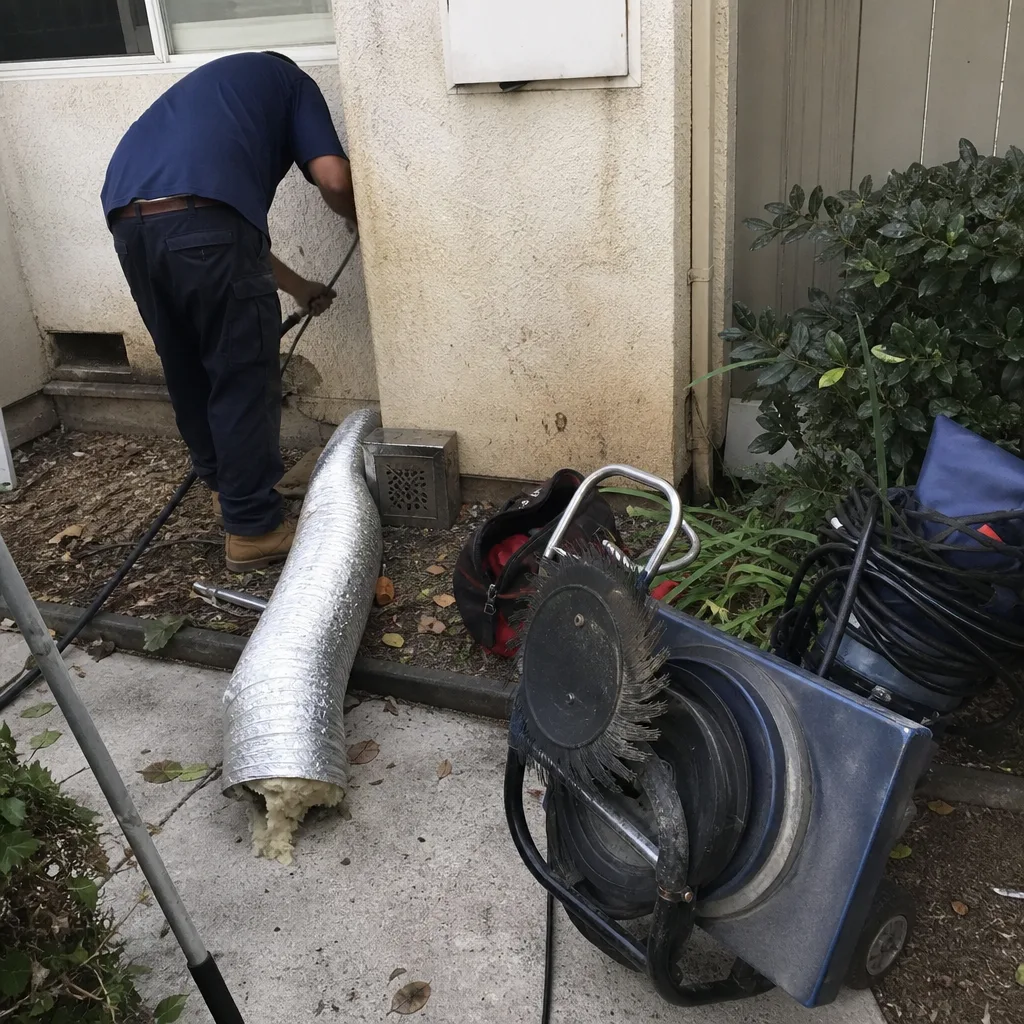 Before
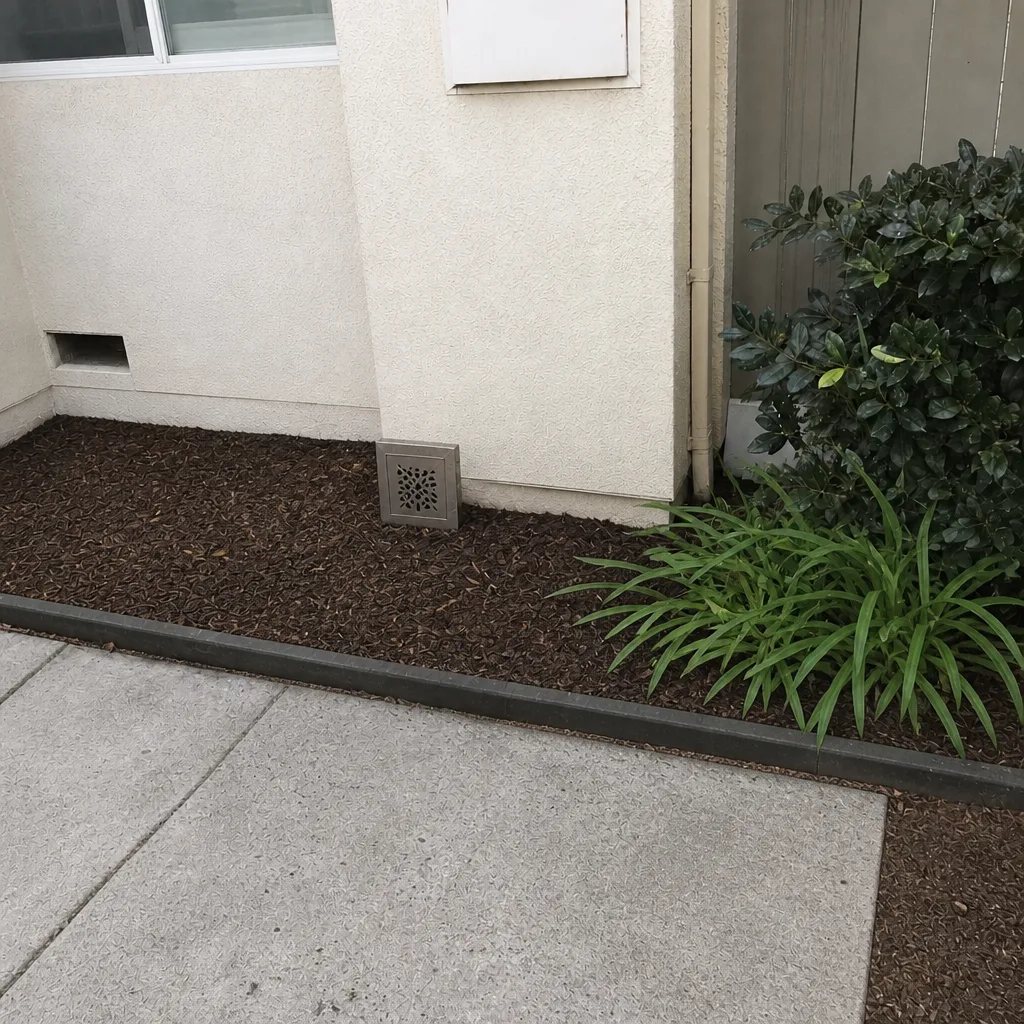 After
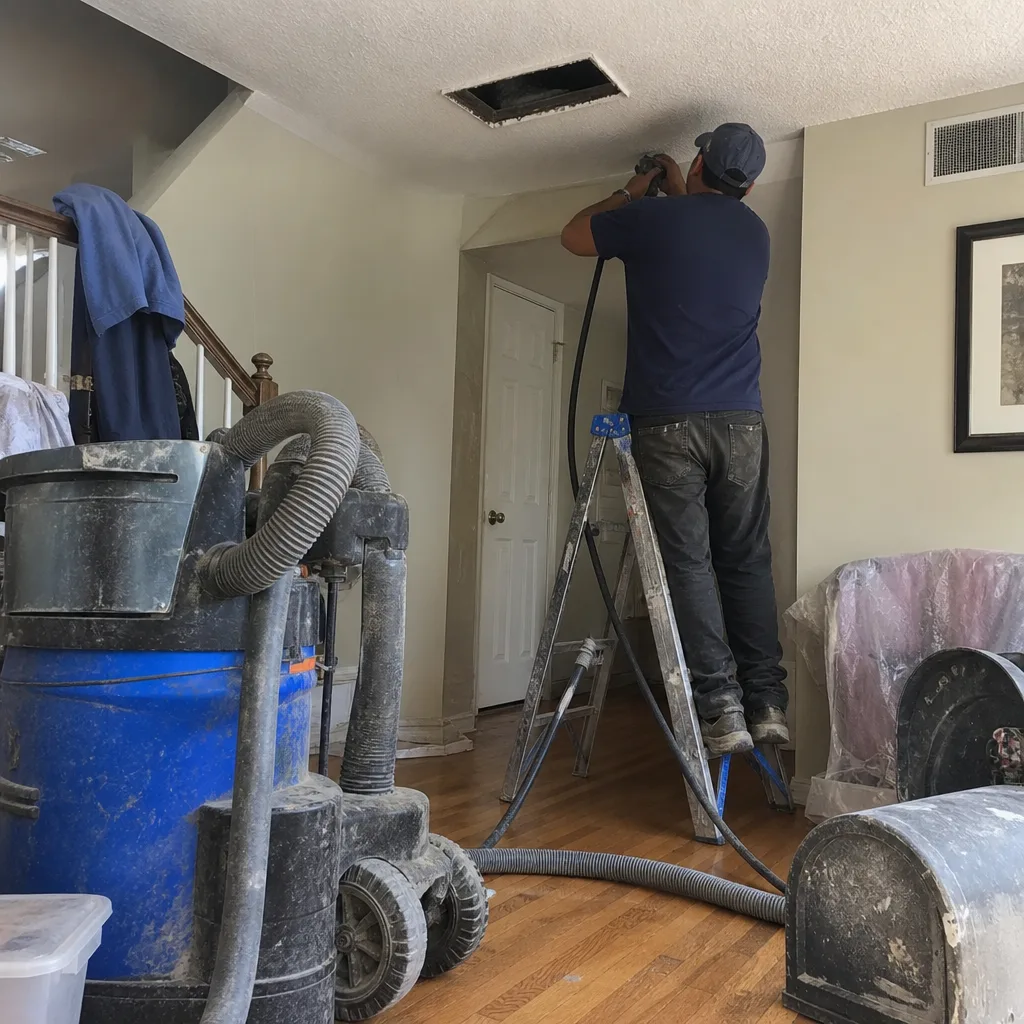 Before
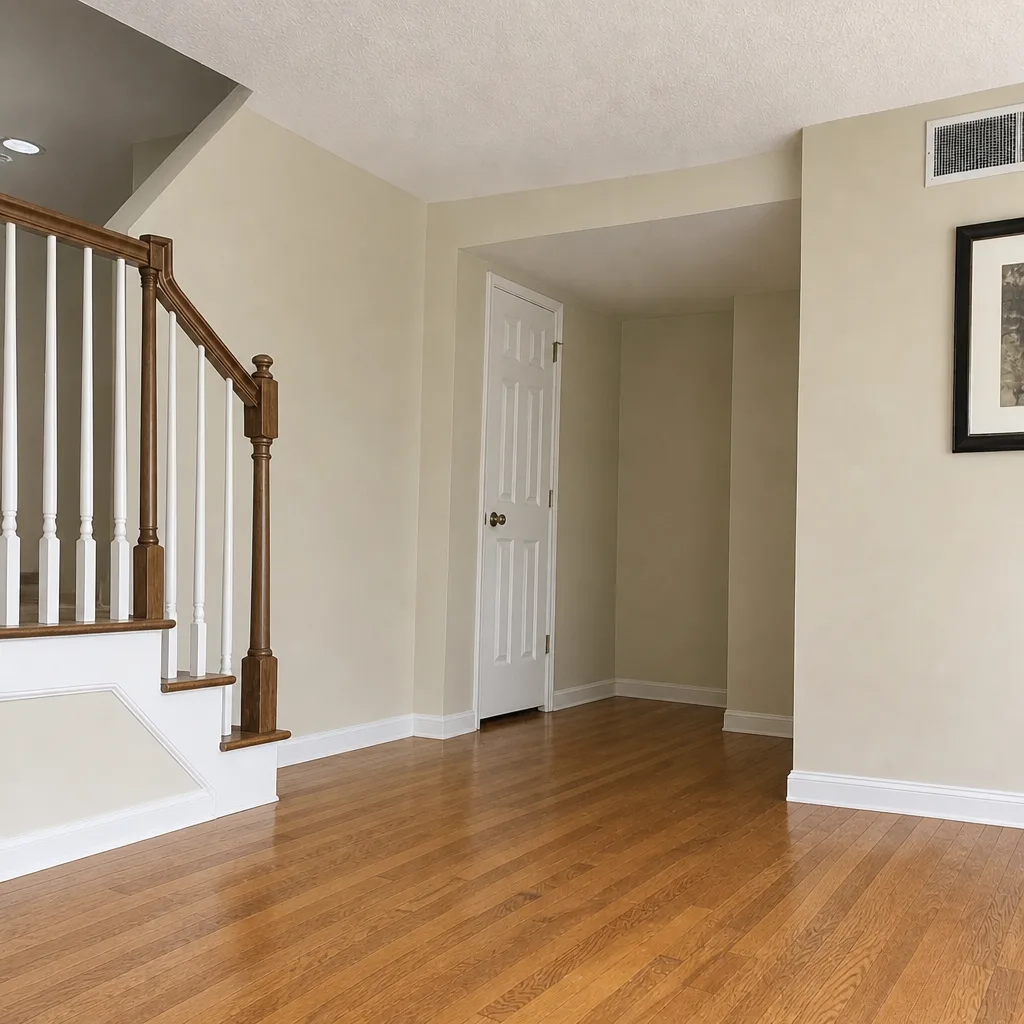 After
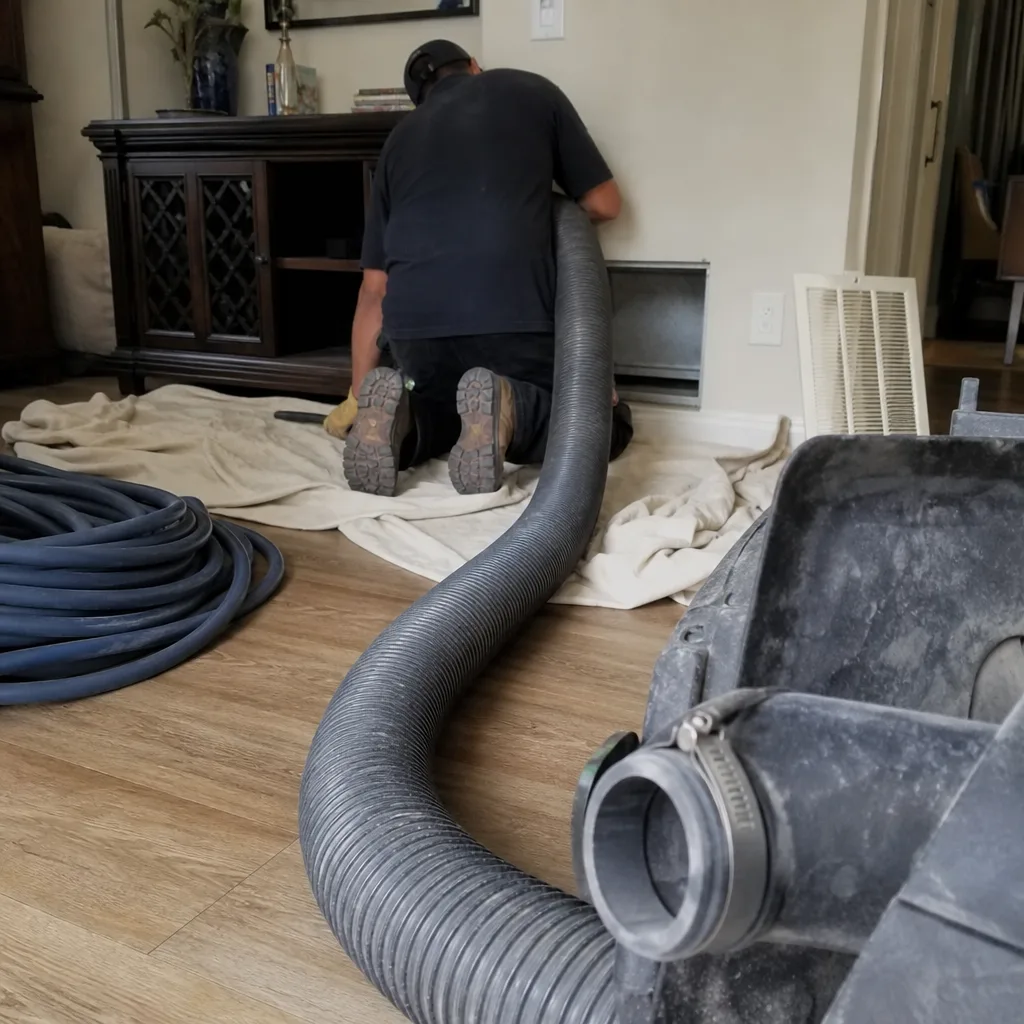 Before
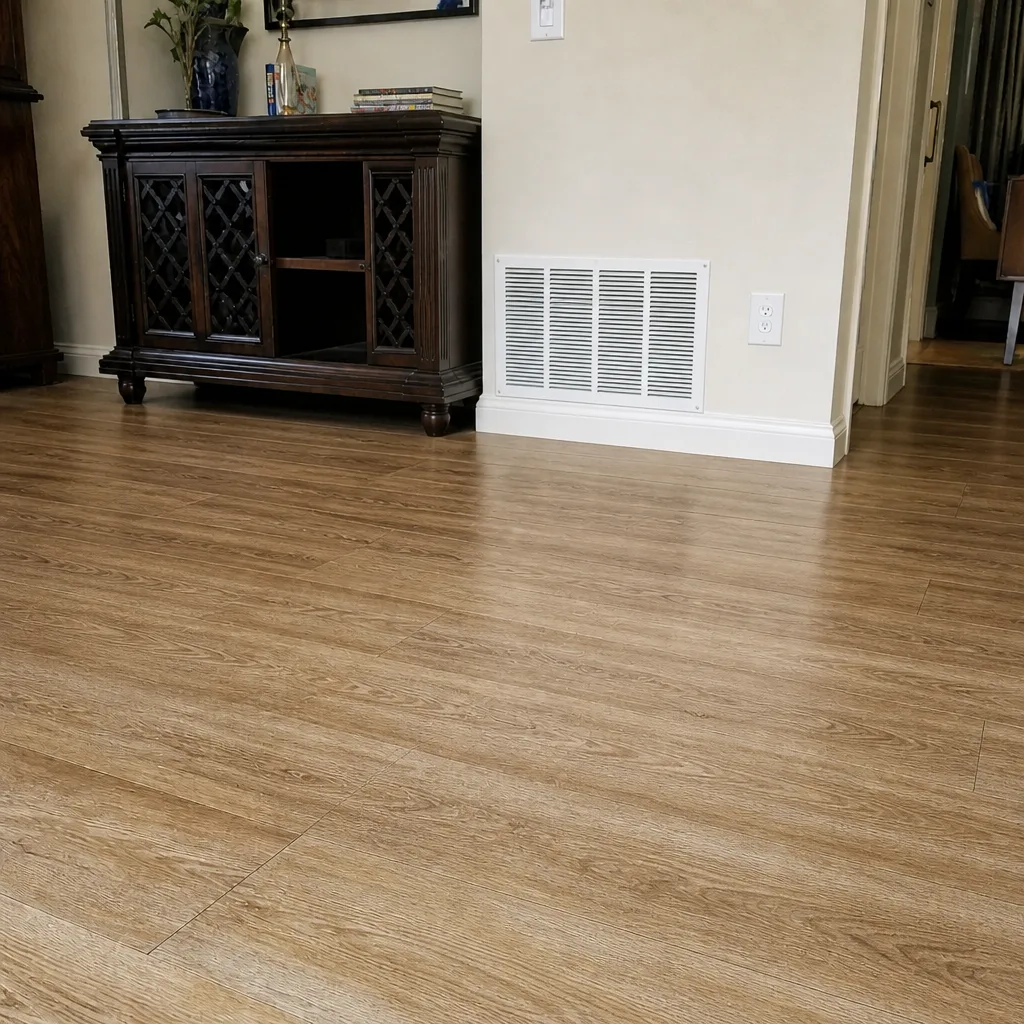 After
When to Call a Professional
Some signs of duct issues are obvious enough to skip the second-guessing. Visible dust blowing out of registers right after the system kicks on. A musty smell that gets stronger when the HVAC runs. Inconsistent airflow between rooms in the same house. Unexplained increases in allergy or asthma symptoms that coincide with the system running. A dryer that takes noticeably longer to dry a load – a clogged vent is a fire hazard, not a nuisance. Visible mold around a register or on the air handler. Any of these warrant a professional inspection.
If your system has never been professionally cleaned and your home dates to the 1970s or 1980s – common in Laguna Hills – the assessment is worth scheduling even without obvious symptoms, because those systems often have issues that don’t announce themselves. Laguna Hills Air Duct Cleaning offers free estimates in Laguna Hills – call (888) 435-4470. We answer 24/7, with fast dispatch from 7am to 7pm, Sunday through Friday. For dryer vent safety specifically, dryer vent cleaning is its own scope worth scheduling alongside any duct work. For HVAC system components including the air handler and coil, HVAC cleaning is the appropriate next step.
Frequently Asked Questions
No. There is no state license specifically for air duct cleaning in California, and there’s no dedicated certifying body with enforcement power at the technician level. Certain duct repair or installation work may fall under general contractor licensing depending on scope, but the cleaning itself sits outside the license system. That’s why a self-run screening process matters – nothing else in the market protects you. Ask about equipment, the NADCA ACR standard, and pre-job inspection before you book.
Ask three things before anything else: what vacuum system they use and its CFM rating, whether they use rotary contact brushes or compressed air only, and whether the system is pulled under negative pressure during cleaning. Follow up with: do you follow the NADCA ACR standard, do you do a pre-job inspection with camera scope, and can I see the written estimate before work starts. Specific answers to those questions are your screen. Vague answers are your signal to call the next contractor.
Because the coupon price and the actual invoice are two different things. A $99 whole-house teaser covers a low-labor sweep of visible registers, not whole-system cleaning with professional negative-air equipment and contact agitation. Once the technician is on-site, the real scope shows up in a higher price. The honest way to compare is to ask for a written, itemized estimate covering linear footage or zone count, register count, coil cleaning as a separate line, and sanitizing as opt-in. Then compare the actual scope, not the teaser number.
Documentation. A legitimate contractor photographs the before and after, or provides camera footage, and has a verification method at the end of the job. If the contractor can’t show you what was found before cleaning and what the system looks like after, assume the visibility is the problem. Ask upfront: “Will you document what’s in the ducts before and after?” The answer tells you a lot.
The ACR standard – Assessment, Cleaning, and Restoration – defines what a proper duct cleaning job includes: assessment of the system before cleaning, the cleaning process itself with defined methods, and verification of cleanliness after. It’s not a law and it’s not enforced by any state agency. It’s a professional benchmark. Contractors who reference it unprompted typically follow a documented process from inspection through verification, which is exactly what you want when there’s no license to screen for.
Depends on what the inspection finds. Disconnected joints, failed flex runs, and open returns call for repair and sealing as a separate scope. Visible mold, mold spore concerns, or a documented biological contaminant finding call for post-cleaning sanitizing, and the sanitizing step should follow a documented finding rather than a sales pitch. The inspection comes first, then the scope, then the written estimate. Call (888) 435-4470 if you want that inspection scheduled.
The Bottom Line
Hiring an air duct cleaning contractor in Laguna Hills comes down to a process, not a rating. Ask the equipment questions – vacuum system and CFM, rotary contact brushes, negative pressure – and listen for specific answers. Ask about the NADCA ACR standard and note whether the contractor knows it. Insist on a pre-job inspection with camera scope and register count before any price is set. Get the estimate in writing, itemized, with coil cleaning and sanitizing on their own lines and exclusions spelled out. And when a coupon price looks too good to be true in Orange County, it is – ask what it covers, then compare actual scope. That process screens out the low-quality operator and puts you in front of a contractor who does the work correctly. When you’re ready to schedule, call (888) 435-4470 for a free estimate. We answer 24/7, with fast dispatch from 7am to 7pm, Sunday through Friday. Our technicians have up to 12 years of experience, and we work with contractor-grade equipment from Rotobrush, Nikro, and Abatement Technologies – not consumer-grade shortcuts.
Written by the team at Laguna Hills Air Duct Cleaning.