
Last updated November 24, 2026
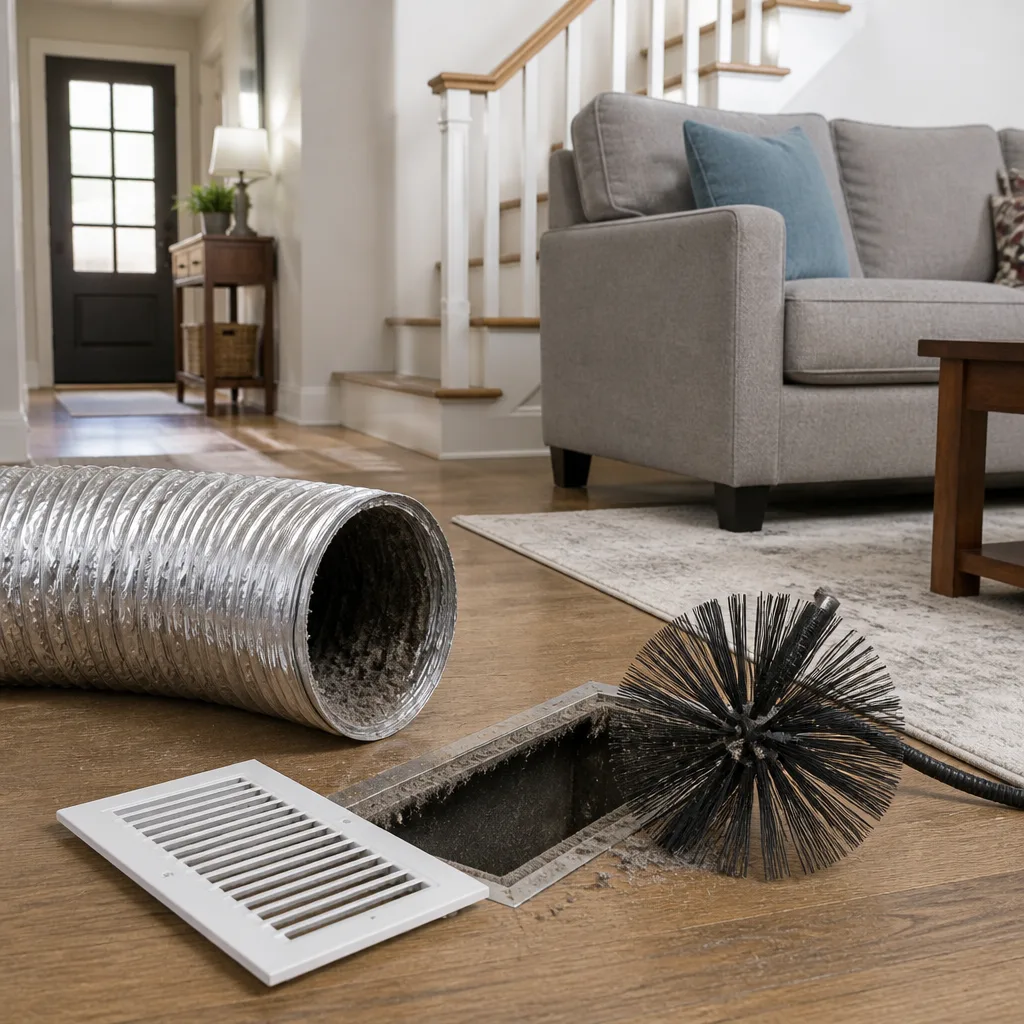 Whole-home duct cleaning
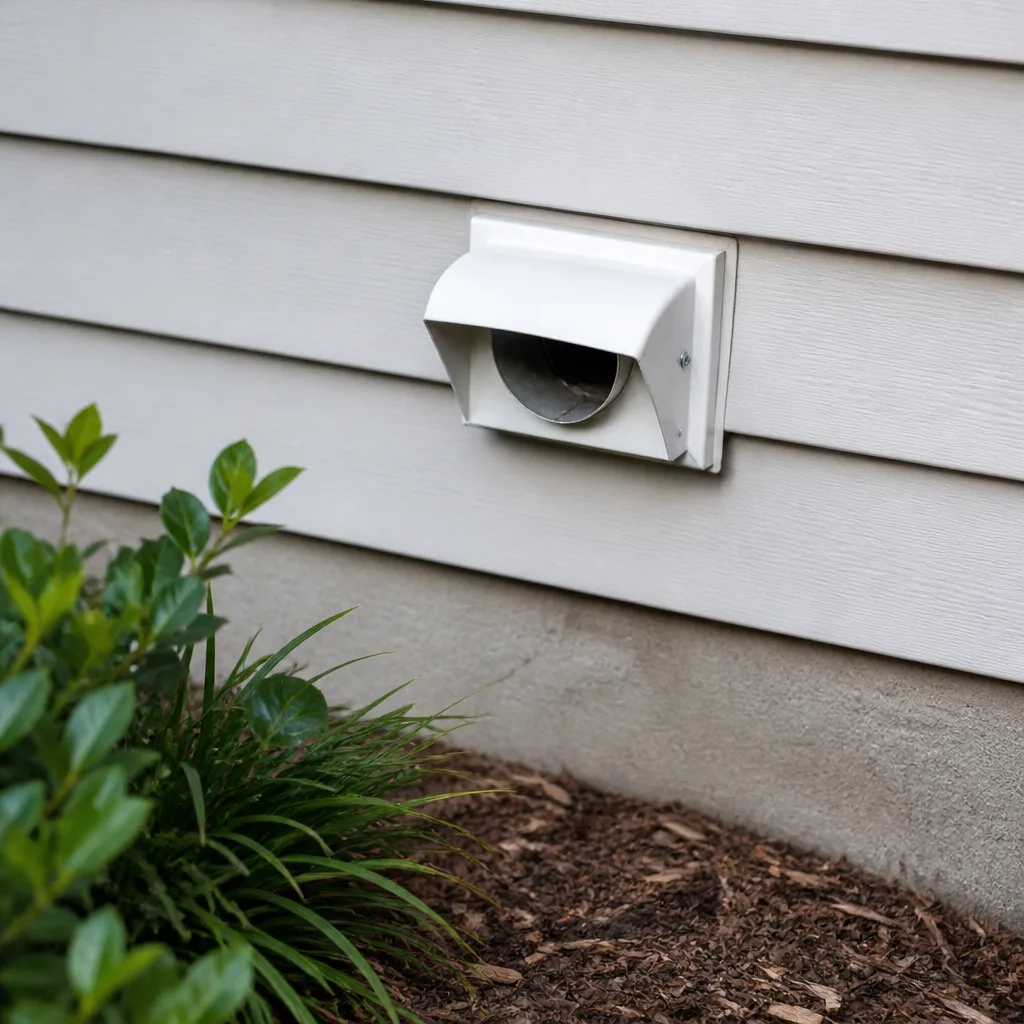 Dryer vent cleaning
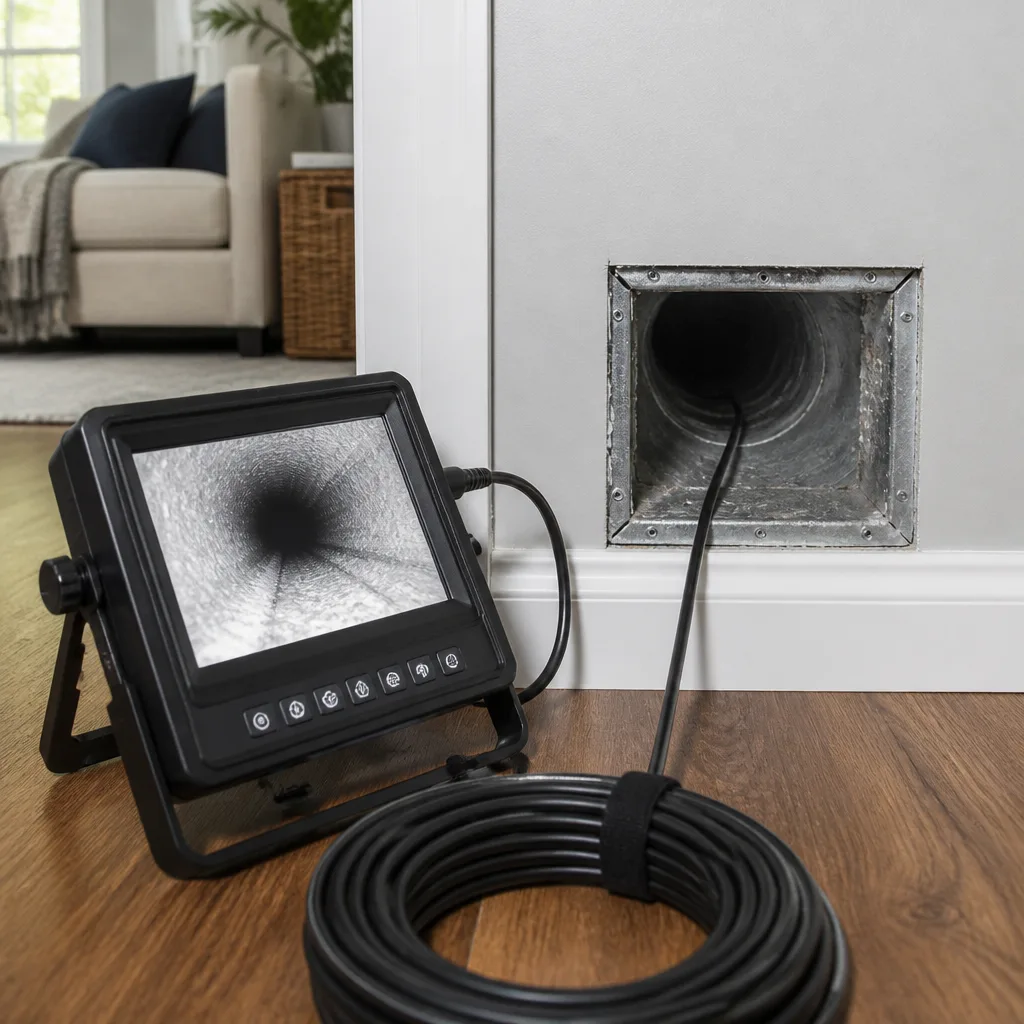 Camera inspection
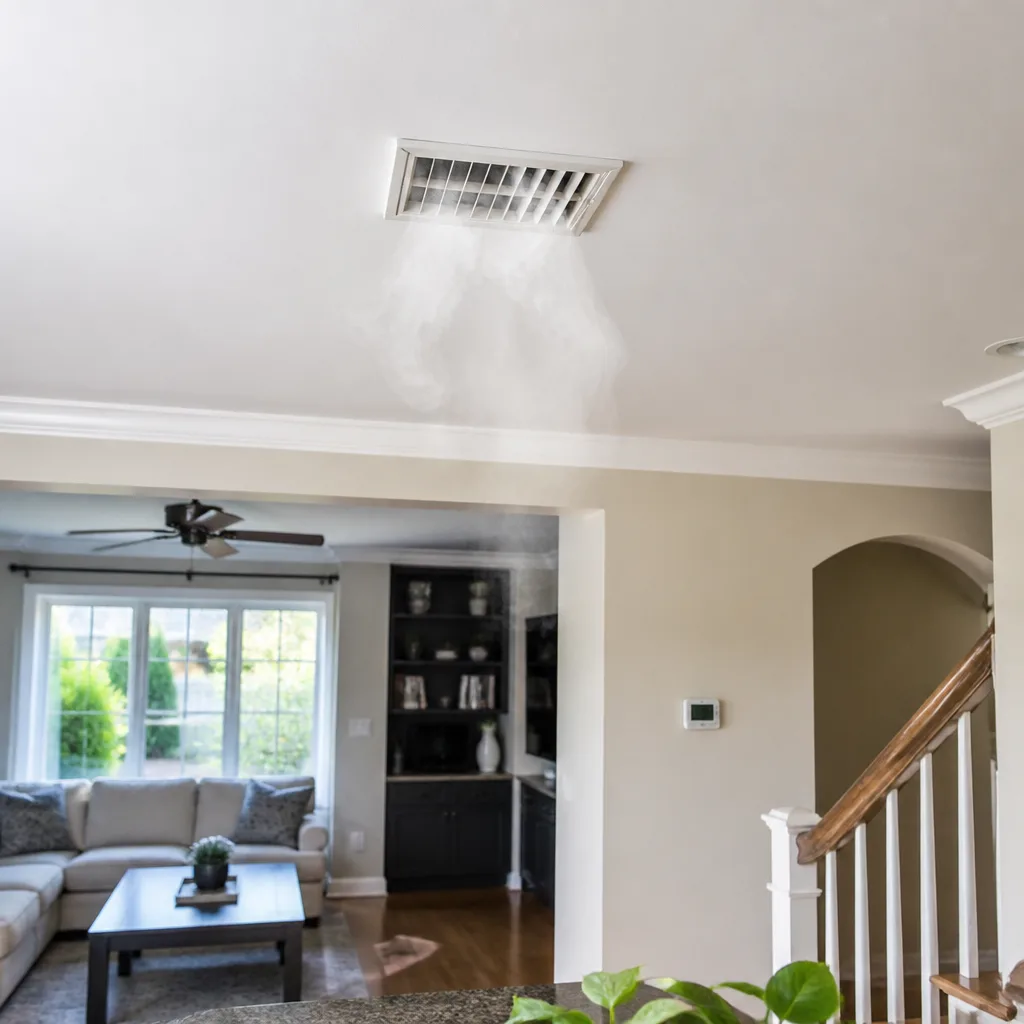 Sanitizing & deodorizing
Whole-system duct and dryer vent check with before-and-after photos - you see exactly what came out of your vents
That "$99 whole-house special" is a bait ad - the real number appears once they are in your hallway, or the "clean" is a shop-vac at the register. We photograph the inside of your ducts before and after instead.
Air Duct Cleaning Warning Signs: A Laguna Hills Homeowner’s Reference Guide
Dust settling back onto furniture within 48 hours of a deep clean usually isn’t a housekeeping problem. It’s often a return duct leak pulling attic particulate into conditioned air every time the system cycles. Most of us assume a dirty duct system announces itself with a visible cloud of debris, or a smell so obvious it can’t be missed. In practice, the warning signs are quieter than that, and they’re routinely blamed on something else: bad house filters, a tired vacuum, seasonal allergies, a thermostat that’s “just like that.” This guide breaks down what each symptom actually means mechanically, so when you call a professional in Laguna Hills you can describe what’s happening in plain, useful terms.
Quick Answer
Air duct cleaning warning signs fall into five categories: visible, olfactory, performance, audible, and health-related. Watch for dust returning to registers and furniture within days, a musty or acrid smell at startup, rooms that never reach the thermostat setting, new airflow noise or rattling, and allergy symptoms that correlate with HVAC cycles. Any two or three together usually justify a professional inspection.
Styles & brands we work with
- Whole-home duct cleaning
- Dryer vent cleaning
- Camera inspection
- Sanitizing & deodorizing
Table of Contents
- Visible Warning Signs: Dust, Debris, and Filter Clues
- Olfactory Warning Signs: What Smell Tells You
- Performance Warning Signs: Uneven Rooms and Rising Bills
- Audible Warning Signs: Airflow Noise and Rattling
- Health-Related Warning Signs: When Symptoms Track the HVAC Cycle
- What Mold Actually Looks and Smells Like Inside Ducts
- How to Self-Document Warning Signs Before You Call
- Emergency Signs vs. Next-Available-Appointment Signs
Visible Warning Signs: Dust, Debris, and Filter Clues
The visible category is the easiest to self-check, which is why it’s where most homeowners start. What you’re looking for isn’t just “some dust.” It’s patterns. Where dust accumulates, how quickly it returns after cleaning, and what your filter looks like at regular intervals all tell a story about what’s happening inside the system.
Start with the register faces. A light, even film of household dust is normal. Dark streaks around the edges of a register face, or a soft gray coating that smears when you wipe it, points to dust being pushed out under pressure at the supply side. That’s a different signal than dust settling on a surface from the room itself.
Here’s what to look for on the visible side:
- Dust returning within 2 to 3 days of cleaning. This is the most cited signal. It usually means dust is being reintroduced from inside the duct run or pulled in through a leak.
- Dark stains around register frames and grilles. Streaking at the edges indicates air is escaping past the register boot, carrying particulate with it.
- A filter that’s dark in one section and clean in another. Uneven loading means airflow isn’t reaching the whole filter face, often from a return-side restriction or a leak.
- Debris visible when you shine a light just inside a supply register. A flashlight angled into the first few inches of duct will show buildup on the duct floor and liner. You don’t need to reach in.
- Dust on the return air grille face thicker than on the supply grilles. A heavily loaded return side pulls from wherever it can, including gaps in the duct system.
In Laguna Hills, the dust pattern has a local twist. We’re in a dry, inland South Orange County climate with windblown particulate that comes up off hillsides and open lots during the hot months. That particulate is fine and easily airborne, which means duct leaks pull it in more efficiently than you’d expect from a leak inside a more humid coastal environment. Homes with attic-mounted air handlers and older flex duct runs tend to show the “dust returns in days” pattern most sharply, because the return is more likely to have a small tear or a poorly sealed collar. What you’re describing to a professional matters here: “dust on the supply registers in the bedrooms returns in two days” tells them something different from “everything is dusty.”
The frequency of the pattern also matters. Dust that returns in a week might be ordinary household behavior. Dust that’s back before the weekend is a duct problem.
Olfactory Warning Signs: What Smell Tells You
Smell is the most misunderstood category. A single musty whiff at startup could be anything. A musty smell that gets stronger the longer the system runs, or that shows up specifically when the AC kicks on, is a signal worth taking seriously. Odor is also where Laguna Hills homes tend to have a specific seasonal pattern that other guides miss.
Startup smell is the first thing to note. When the system has been off and then runs, you may smell a faint carboard-and-dust note from the plenum and the first few feet of the return. That’s normal. What’s not normal is a smell that persists for two or three minutes after the fan is up to full speed, or one that builds rather than fades. Persistent odor on the run usually means air is passing over something organically active: a damp liner, a mold colony on a fiberglass duct board joint, or debris that’s been sitting where condensate reaches.
Wildfire smoke is the second. Many homeowners in this part of South Orange County have lived through smoke events that pushed particulate into interior spaces for days. When the HVAC system runs during a smoke event, that smoke enters the return and deposits on duct liner surfaces. The smell of smoke from the liner isn’t the same as the smell of smoke from cooking or from the fireplace. It’s an acrid, dry note that shows up when the system warms up, particularly in the first few runs of a hot afternoon. This smoke residue can linger for months after the event itself.
Here’s a working guide to smells and what they typically point to:
- Musty and damp, especially at startup. Organic growth on duct surfaces somewhere in the run, often near the evaporator coil or in a section of liner that sees intermittent moisture.
- Acrid and dry, tied to hot-weather startup. Wildfire or brushfire particulate that’s settled on liner surfaces and re-releases as air warms.
- Chemical or solvent. Usually off-gassing from new materials, sealants, paint, or something stored near a return. Worth checking the source before assuming it’s the duct system.
- Sulfur or “rotten” smell tied to running the system. This is rarer and can indicate a plumbing or drain issue that’s feeding into the system. It’s worth a closer look and possibly a separate call to a plumber.
- A metallic or “hot” smell at the furnace end. Usually not duct-related, but worth a technician’s eyes on the heat exchanger.
What we tell people who call us is: if the smell is there when the fan comes on, it’s coming through the ducts, and where it’s coming from is worth finding before you try to mask it. Air fresheners and UV lights treat symptoms. Finding the source is the actual job. A proper inspection will look at the plenum, the coil, the liner, and the return, and it will use contractor-grade equipment like Abatement Technologies filtration during any work that dislodges material, so the airborne particulate isn’t redistributed into the house.
Performance Warning Signs: Uneven Rooms and Rising Bills
Performance warning signs are the ones homeowners notice last, because they’re gradual. Utility bills creep up. One bedroom never quite cools. The back of the house feels warmer than the front. None of those individually screams “ducts,” and together they still get blamed on the AC system itself, which is a reasonable first guess. But uneven cooling and rising bills that coincide with any of the other warning signs on this page are worth pulling the duct system into the conversation.
Start with uneven temperature. Walk through the house with a handheld thermometer, if you have one, or just pay attention: does the master bedroom cool to the thermostat set point in the same time it takes the living room, or does the system run long while one room stays warm? The pattern matters more than the number. A room that’s consistently warm even when adjacent rooms are fine usually points to a supply issue in that run, not a general system problem.
Next, look at the system run time. A system that cycles more frequently than it used to, or that runs noticeably longer to reach the same set point it reached easily a year ago, may be working against restricted airflow. Restricted airflow has two common causes: a filter that’s loaded (check first, it’s free), or duct runs that have accumulated enough buildup to reduce effective cross-section.
What to check, in order:
- Filter condition. Replace and re-evaluate before drawing conclusions. A clogged filter mimics everything.
- Register airflow at each supply. Hold the back of your hand near each register. If any one is notably weaker than the rest, that run is the one to flag.
- Damper positions. If you have manual dampers on branch runs, confirm none are partially closed from a previous summer adjustment.
- Bills compared year to year. A month-over-month bump can be weather. A like-for-like year-over-year increase with no occupancy change is more useful.
- The AC contractor’s view. Ask the technician who services the AC what the system is doing. They’ll often flag duct restriction for you, and it’s a good second opinion.
What makes this category tricky in Laguna Hills is the local housing stock. Many homes here were built during the 1990s and 2000s, when flex duct was standard and runs got long. That means a restriction in one run is often the whole reason for a warm bedroom, and it’s usually visible to a professional during a proper inspection. A full evaluation using a rotary brush system like Rotobrush lets a technician see what’s inside a run rather than guessing from an exterior view. If the AC technician has already checked refrigerant and airflow at the air handler, and the problem is still in one room, the duct is the next stop.
Audible Warning Signs: Airflow Noise and Rattling
Sound is the category most homeowners filter out because they can’t tell what’s new from what’s always been there. Ask yourself: does the system sound different than it did last summer? Does the air moving at one register sound louder than at the others? Is there a rattle, a whistle, or a flapping noise that wasn’t in the mix before? Your ear can spot a duct problem before your eye does.
The key distinction is between airflow noise that’s “system” noise and noise that indicates a physical problem. System noise is steady, even, and scales with fan speed. Physical problem noise is uneven, intermittent, or directional.
Here’s the sound-to-signal map:
- Whistling at one register. Usually a restriction or a gap at the register boot. The register itself is the loudest point, but the noise is often upstream.
- Rattling or flapping inside a wall or ceiling cavity. Commonly a run of flex duct that’s loose, has come off a collar, or is rubbing against framing.
- A “whoosh” that’s louder in one area than the others. The supply side is escaping somewhere. Flexible duct doesn’t usually leak in a way you can see, but it leaks in a way you can hear.
- A hum or buzz tied to the system starting. Can be electrical, but can also be a duct panel vibrating against the air handler case. Usually the technician identifies which during inspection.
- Intermittent clicking or tapping. Often thermal: metal or duct board expanding against framing as the system warms and cools. Less urgent than rattling, but worth flagging.
Audible signs are also a useful check against the performance category. If one bedroom is warm and the register in that room is loud, that pairing is a specific story: restriction and pressure loss. If the bedroom is warm and the register is quiet, it’s a different story: not enough air getting there in the first place. Describe both symptoms together when you call.
The other audible signal worth noting is a change in the noise after a service call. If the system sounded fine before a filter change or an HVAC tune-up and sounds different afterward, that’s worth a call back to whoever serviced it, before assuming duct damage. Sometimes the “new” sound is a filter access panel that didn’t get fully seated, or a return grille that’s vibrating against a stud. Inspection resolves this quickly.
Health-Related Warning Signs: When Symptoms Track the HVAC Cycle
Health-related warning signs are the hardest to evaluate on your own, because allergy symptoms in Southern California are complicated by pollen, dust, and dry heat. The key word is correlation. Pay attention to whether symptoms follow the HVAC cycle rather than the calendar.
What “following the HVAC cycle” looks like in practice:
- Morning congestion that gets worse in the first hour after the heat comes on and eases once you leave the house.
- Symptoms that show up or get worse in one room and diminish in another, especially a bedroom.
- Itchy eyes, sneezing, or a throat-clearing habit that tracks the days the AC runs heavily.
- Children waking up with congestion more often on high-cooling nights than on open-window nights.
- A pattern that repeats every summer, gets worse year over year, and doesn’t respond to the usual filter changes.
None of those categories is diagnostic. Allergy symptoms have a lot of causes, and the most responsible thing to say is that if symptoms are persistent or you’re concerned about indoor air quality, talk to your doctor. What we can do is help you figure out whether the HVAC system is one potential contributor, so you’re not chasing a problem in the wrong place.
The reason this category is worth a whole section is that it’s the one that gets no attention until it’s very obvious. Visible dust gets wiped away. A smell gets an air freshener. A warm bedroom gets a fan. Allergy symptoms get a pill. By the time the pattern is uncomfortable enough to investigate, the buildup inside the system has been there through a full seasonal cycle or longer, which is part of why it takes more than a one-time quick pass to resolve. This is also why sanitizing treatments are a separate service from cleaning. Cleaning removes the physical debris. Sanitizing treatments using a product line like Guardsman target the biological surface layer that remains after debris removal. If you’re dealing with a persistent pattern after cleaning and the smell or symptoms remain, that’s the next conversation.
We don’t diagnose, and we don’t claim cleaning resolves medical conditions. What we hear most often in Laguna Hills from homeowners who call about allergy patterns is that the conversation shifts from “why is everyone sneezing” to “let’s make sure the system isn’t part of the cause, then rule it in or out.” That’s a sensible frame.
What Mold Actually Looks and Smells Like Inside Ducts
Mold contamination in ductwork is a subject with a lot of misinformation. The mental image is fuzzy gray stuff on a register face, or black spots visible through the grille. In practice, the register face is the last place mold shows up, not the first. Registers see the most airflow, the most light (if any gets in), and the most dry air moving past. Mold prefers the parts of the duct system that don’t.
Where mold actually grows: the evaporator coil area, where condensate lives; the first few feet of supply duct coming off the coil, where cool air meets duct surfaces and can condense; sections of duct liner in a wall or attic where a leak has let moisture in; and any section that has experienced water intrusion and not been fully dried. The coil area alone is enough to produce a persistent musty smell through every supply register, even though no register face shows anything visible.
What to look for inside the ducts, from a visual and smell standpoint:
- Smell: musty, damp, earthy. Stronger with the system on, weaker with it off. Sometimes a note of wet paper or wet cardboard, which comes from the liner material itself.
- Visible spots on the first few inches of duct liner near the coil. Usually not visible at the register face. Requires a proper inspection light and often a rotary brush system like Rotobrush to expose the surface for inspection.
- A dark, sticky film on the first supply boot. This can be microbial growth, but it can also be particulate buildup that’s held moisture. The distinction matters for what treatment is recommended.
- A return side that smells stronger than the supply side. Points to the return path, or to a leak on the return side pulling from a damp attic or crawl space.
- Condensate pan smell coming up through returns. Often the actual source, and the fix is a coil and pan service in addition to any duct cleaning.
What to check without opening anything: a flashlight angled into the register face can often reveal buildup just past the grille on the duct floor. What it cannot tell you is what’s happening near the coil, which is where mold is most likely. That requires an inspection.
When contamination is suspected, the right way to handle it is with containment. Abatement Technologies air filtration units are used during work that dislodges material so particulate stays out of the living space. A proper mold remediation plan also includes identifying the moisture source. Cleaning the ducts without addressing the moisture just brings the problem back. If the source is the coil, that’s a separate service. If the source is a duct leak pulling in humid attic air, that’s an HVAC cleaning and sealing conversation.
How to Self-Document Warning Signs Before You Call
A good technician will listen carefully. You can make that easier by documenting what you’re seeing before you call. It’s the single most useful thing a homeowner can do. Photos take about fifteen minutes to collect and often change the conversation entirely.
Here’s the sequence, in order:
- Photograph the register faces. Turn the system off, use a flashlight at an angle, and photograph each register. Wipe one register clean and photograph it again in 48 hours. The before-and-after on a single register tells more than any single photo.
- Photograph the filter at three intervals. Note the install date, then photograph the filter at 30 days, at 60 days, and at 90 days (or at whatever your normal replacement interval is). If it’s dark and loaded at 30 days, that’s a finding.
- Note which rooms are affected. A simple list of rooms and what each is doing – dust, smell, temperature, noise – is more useful than “half the house feels off.”
- Note the timing. Is the smell worse at startup, at the end of a cooling cycle, or during specific weather? Does dust return in 48 hours, a week, or a month? Timing points to the source.
- Note any recent events. Wildfire smoke events, water intrusion, a plumber’s visit, recent work inside walls, a filter change you made yourself. Those are useful data points.
- Take a short video of the noise. If one register is loud, capture fifteen seconds of the sound with the system running. Sounds are surprisingly diagnostic.
When you call, describe the pattern, not just the symptom. “Dust on the supply registers in the bedrooms returns in two days, the system runs longer than it did last summer, and it’s noisier in the hallway than anywhere else” is a description a technician can work with. It corresponds to a specific set of likely causes. It also gives us a starting point for the inspection, which is what makes the estimate genuinely useful rather than a generic range. Every legitimate company should be willing to look at your photos and notes before they visit and give you an honest read on urgency.
What you don’t need to do: open ductwork yourself, remove register grilles to look inside runs, or try to reach a coil area. Those are the parts of this work with real risk, and the documentation doesn’t require them.
Emergency Signs vs. Next-Available-Appointment Signs
Not every warning sign is urgent. Most aren’t. The right response depends on which category the sign falls into. Skipping the triage step is how homeowners end up paying for an emergency visit on a problem that could have waited, or waiting on a problem that needs attention today.
What counts as urgent enough to call immediately:
- Visible water inside ductwork after a plumbing event. If a supply line has burst and water has entered a return or supply run, that’s not a “schedule for next week” situation. Wet ductwork grows mold quickly, and drying has to start before that happens.
- Visible mold growth identified during an inspection. A professional inspection that turns up active mold growth calls for containment and remediation, not a routine cleaning.
- A confirmed dryer vent blockage with heat building in the vent. Dryer vents are a dedicated concern. A lint-clogged vent is a fire hazard, and this is a same-day-call scenario, not a wait-and-see one. Dryer vent cleaning is a service we handle as a standalone job, not as an upsell.
- Airflow noise paired with visible duct damage after an event. If a run has physically disconnected or visibly collapsed, that’s a repair call.
What counts as standard scheduling:
- Dust returning within a week or two.
- A musty startup smell without visible moisture.
- Uneven room temperatures that have developed gradually.
- A rattle or noise that’s been present for weeks.
- Allergy patterns that aren’t paired with visible contamination or water damage.
What doesn’t matter for scheduling but does matter for the estimate: the age of the system, whether the ducts are flex or rigid, whether the home has an attic or crawl space return, and whether the ducts have been cleaned before. All of that shapes the approach and the range.
Common Mistakes to Avoid
- Replacing the filter and calling it solved. A fresh filter is one data point, not a fix. If the dust returns to the registers within days on a fresh filter, the filter wasn’t the problem, and continuing to swap them just hides the cause.
- Masking the smell instead of finding it. Air fresheners, scented candles, and plug-ins make the olfactory warning sign harder to catch and delay the real inspection. If the smell is coming through the system, treat the system, not the room.
- Assuming the register face is where mold would show up. It isn’t. The register face is the last place mold appears, which makes “but I don’t see anything” a weak argument against a real inspection.
- Guessing at a price from an online coupon. A coupon price and a full-system cleaning are not the same service, and the difference shows up on the invoice. Ask for a whole-system flat price in writing before work starts, not a per-vent figure.
- Skipping the dryer vent because it’s “not really duct cleaning.” A dryer vent clogged with lint is a fire waiting for a spark. It’s a separate service for a reason, and it belongs on the same inspection visit.
- Calling out any contractor whose ad shows up first. The two questions worth asking any company are what equipment they’ll use on-site and whether the price is agreed per system before work starts. Rotobrush, Nikro, and Abatement Technologies are the equipment names you’re listening for, because they tell you the contractor works with real containment and dislodging capability, not a shop vac and a promise.
- Waiting for the smell to get worse. Smells don’t usually get better on their own. They get pushed around by the filter and seasonal airflow change, and the underlying source keeps developing. Earlier is easier than later.
See the difference
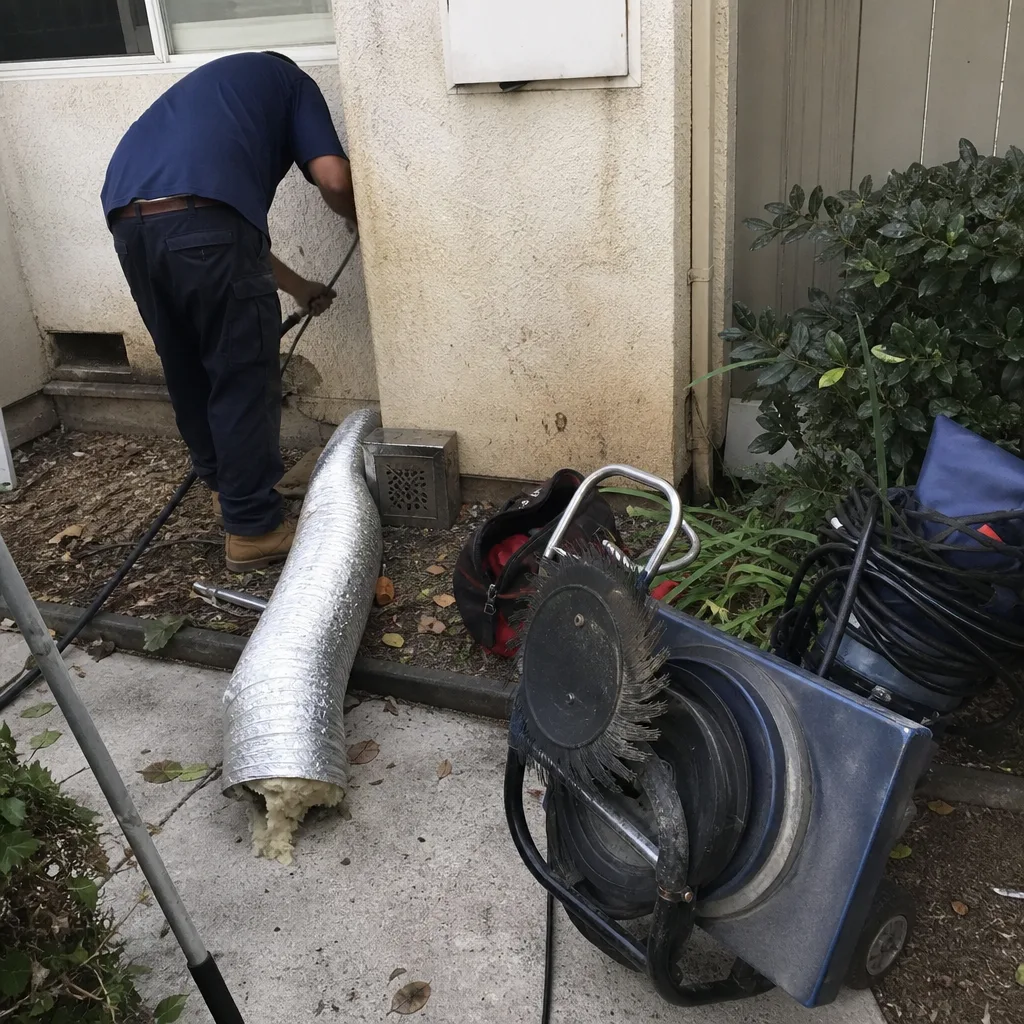 Before
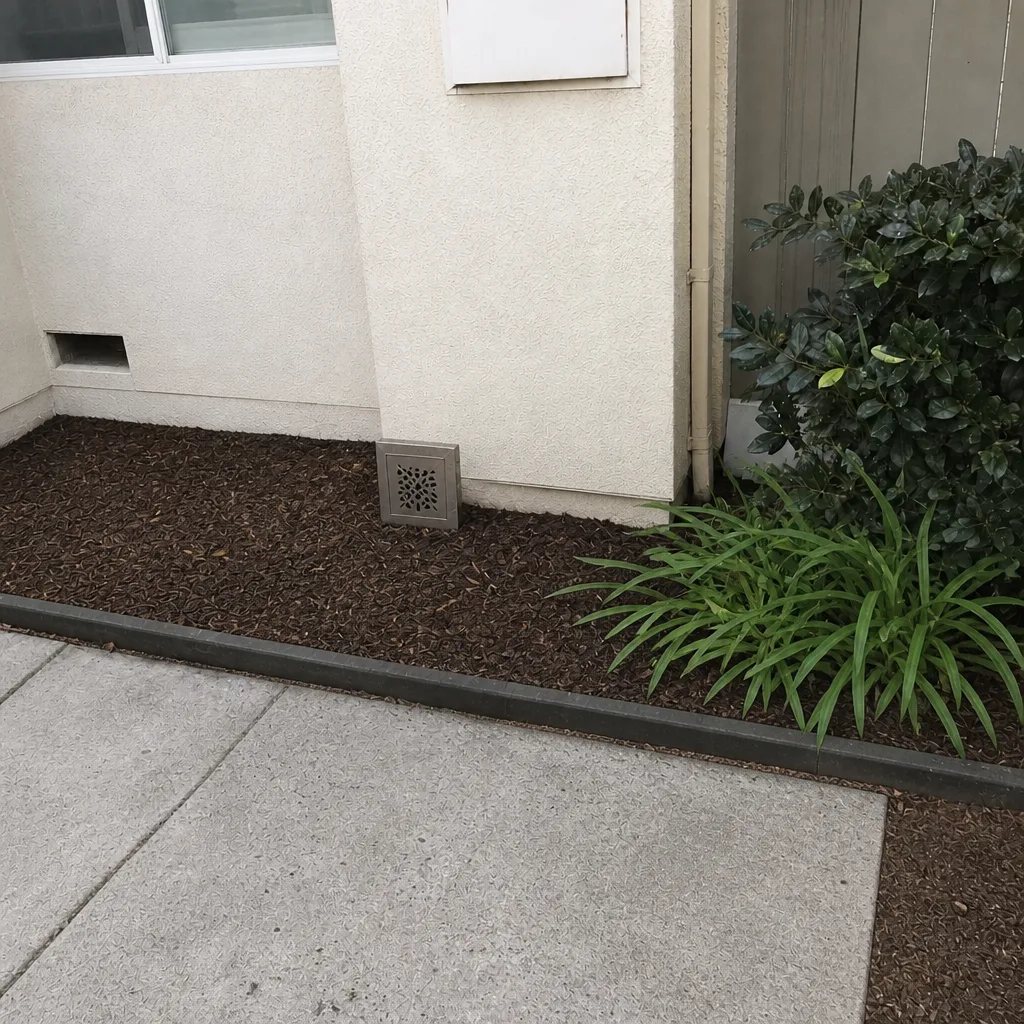 After
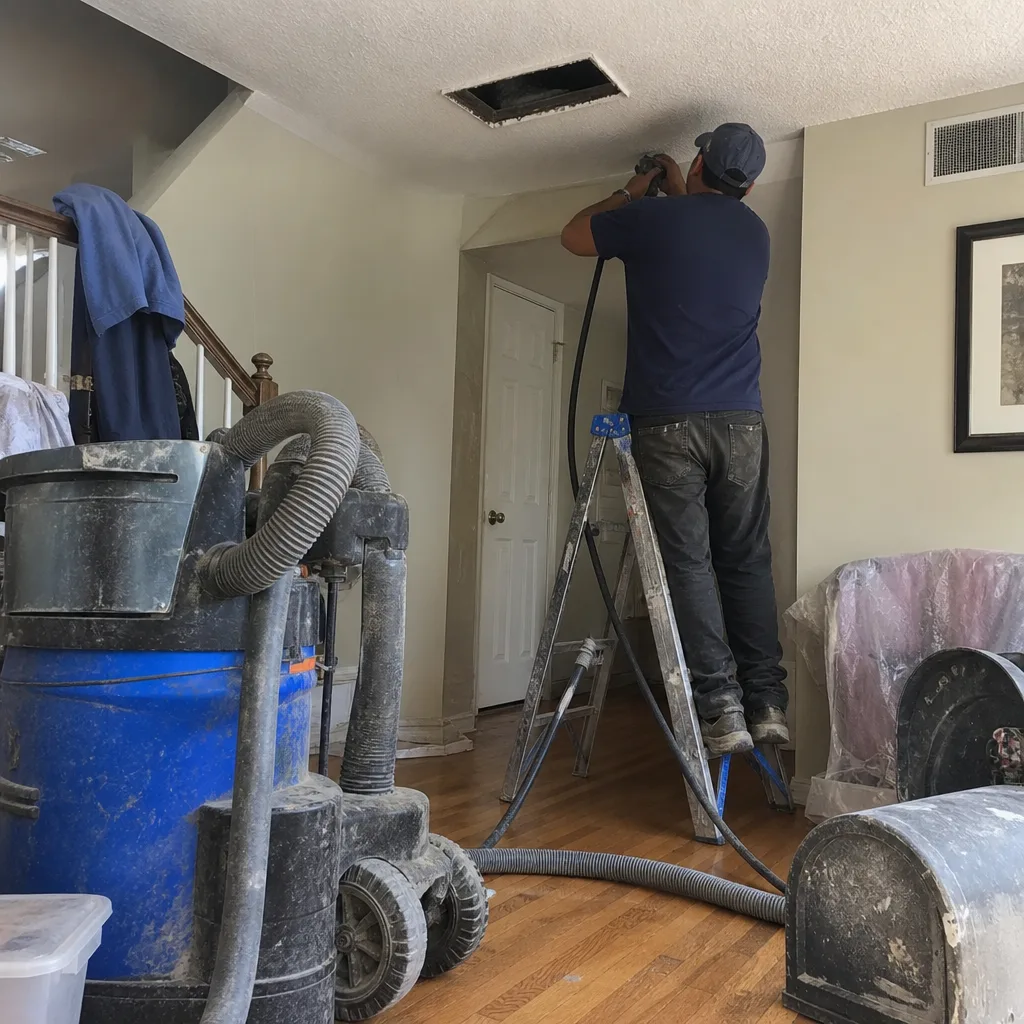 Before
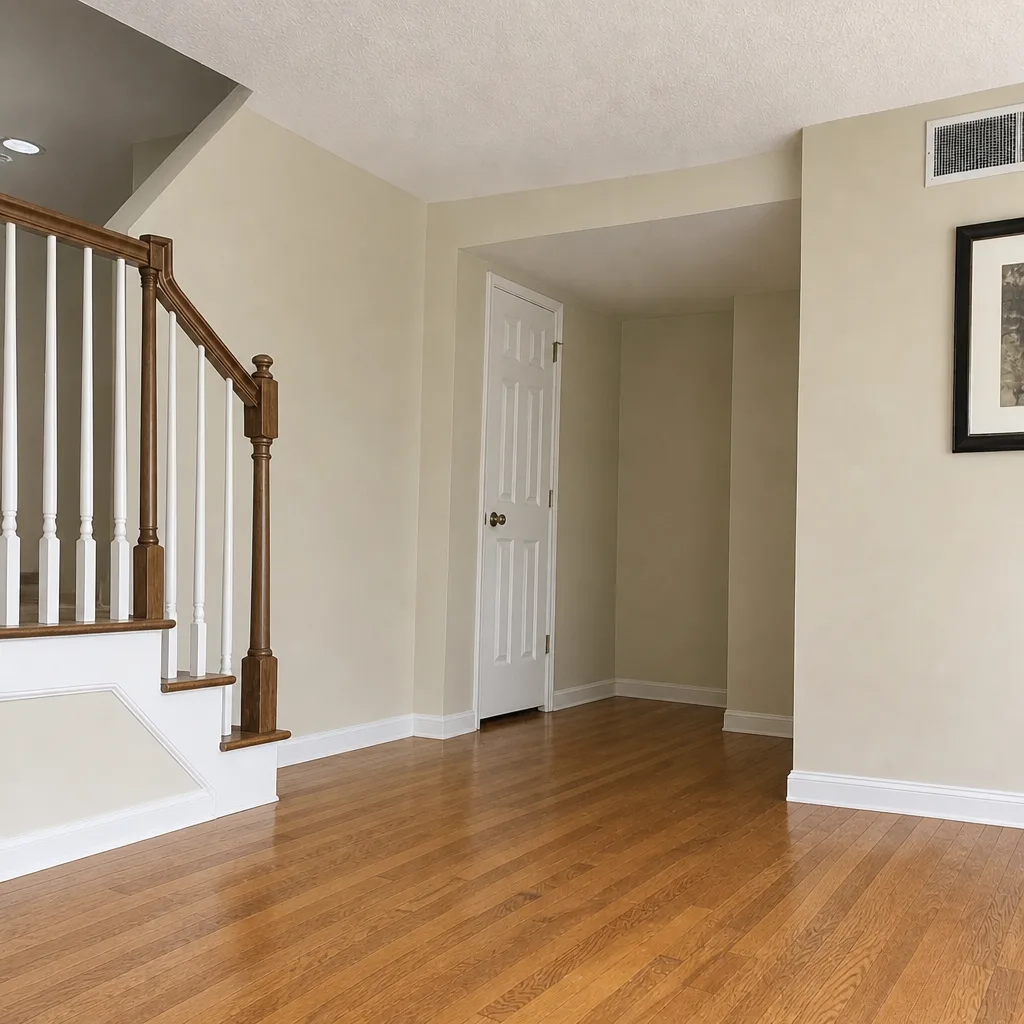 After
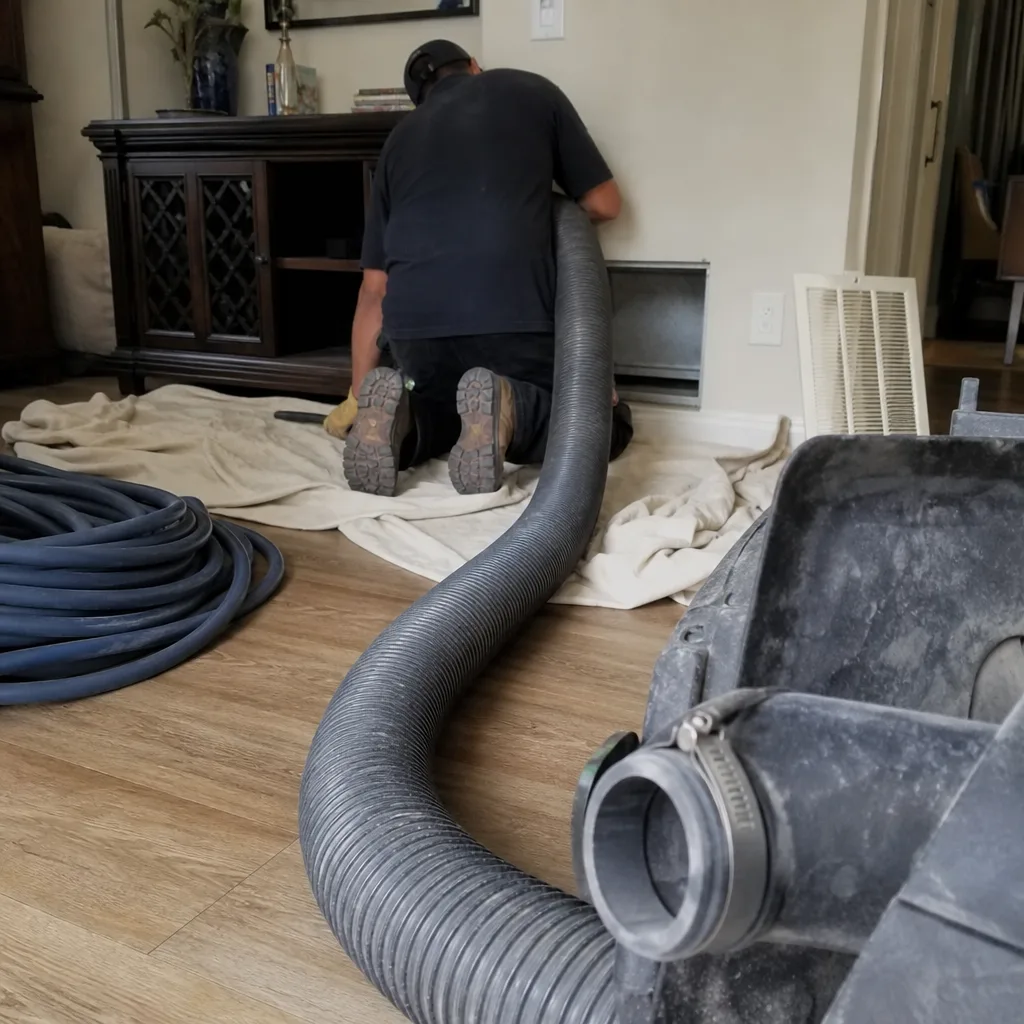 Before
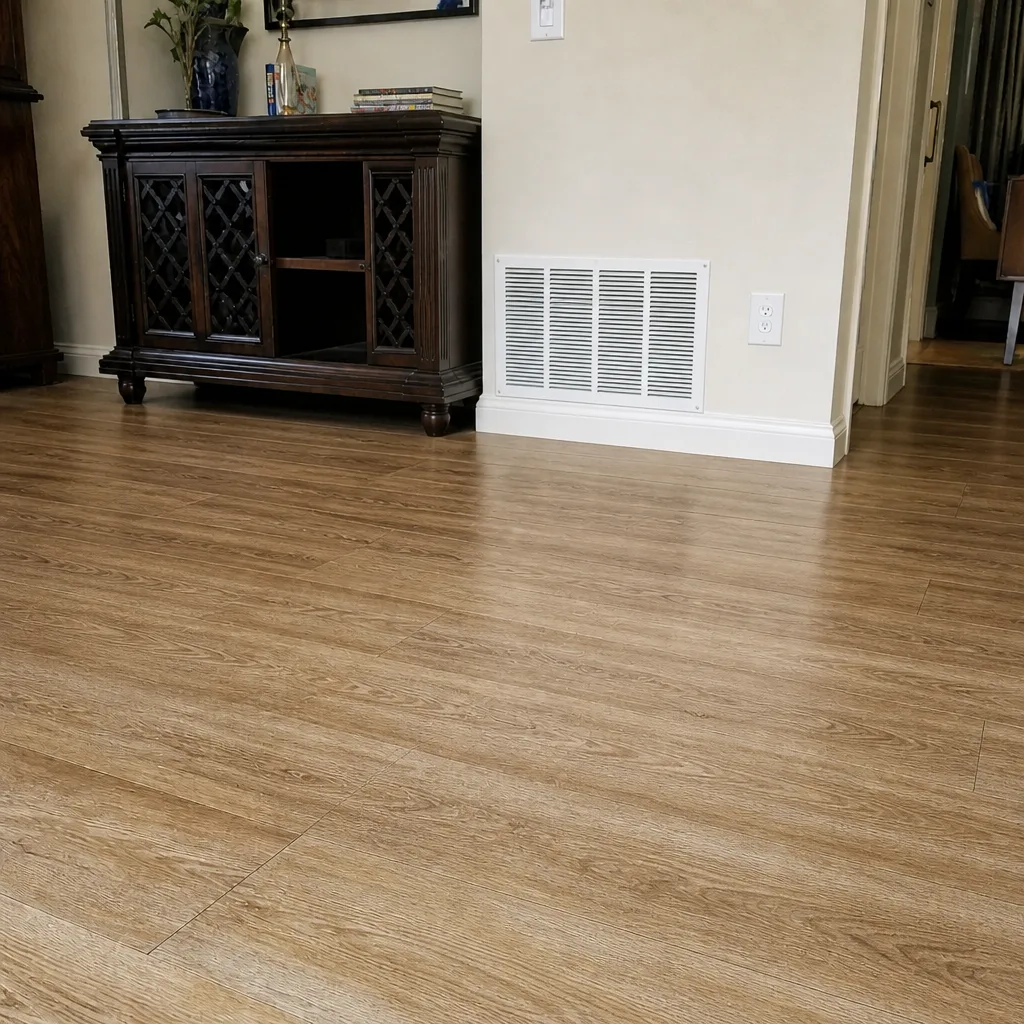 After
When to Call a Professional
Call a professional if you can check two or more of the five symptom categories and they line up in the same story. Call sooner if a plumbing event has pushed water into a return or supply run, if a dryer vent is confirmed blocked, or if a proper inspection has identified visible mold growth. Call before you replace another filter, before you paint a bedroom to hide the streaks, and before you accept a quote based on a per-vent price. Laguna Hills Air Duct Cleaning offers free estimates in Laguna Hills. Call (888) 435-4470. We answer 24/7. Fast dispatch from 7am to 7pm, Sunday through Friday. The estimate is written, the price is agreed per system before work begins, and the work is documented before and after so you can see what changed. Our technicians have up to 12 years of experience with systems across the area, and we work with the same platforms used by remediation professionals.
Frequently Asked Questions
The most common signs are dust returning to registers and furniture within two to three days of cleaning, a musty smell at system startup, one or two rooms that never reach the thermostat set point, a change in airflow noise at a register, and allergy symptoms that track the HVAC cycle. Wildfire smoke residue from Santa Ana wind season also shows up as an acrid smell in area homes. If you can check two or more of these together, that’s enough to justify an inspection. Call (888) 435-4470 for an exact quote; estimates are free.
Whole-system air duct cleaning is priced per job by written estimate, based on the number of systems, the layout of the runs, and whether repair, sealing, or sanitizing is needed alongside cleaning. We don’t quote per-vent prices or run coupon specials, because those numbers turn into a different invoice once the technician is on site. Ask for a flat price per system agreed before work starts, with before-and-after photos included. Call (888) 435-4470 and we’ll give you a real range for your home; estimates are free.
A very cheap quote is usually not for the same service. It often covers a quick pass at the registers and a shop vac on the plenum, not a full-system cleaning with rotary brush equipment and containment filtration. The difference shows up in what gets removed, what gets dislodged into the house, and what’s actually clean at the end. Ask which equipment will be used on site and whether the price is flat per system. The good answer names real equipment brands. Call (888) 435-4470 for an estimate with no per-vent pricing.
Ask for before-and-after photos of your own ducts, taken during the visit, not stock images on a website. A company that documents what’s inside before and after gives you a verifiable record of the work. The equipment itself is also a signal: on-site use of Rotobrush rotary brush systems and Abatement Technologies filtration means the work is happening, not just claimed. Call (888) 435-4470 to book an estimate.
Most homes don’t need duct cleaning on a fixed schedule. Cleaning is justified when specific warning signs appear: dust returning quickly, a persistent startup smell, uneven temperatures that don’t respond to filter changes, or visible contamination found in an inspection. Homes near active construction, homes with pets, and homes that have been through a wildfire smoke event tend to need attention sooner. If you’re seeing any of the signs in this guide, that’s the trigger, not the calendar. Call (888) 435-4470 for an inspection; estimates are free.
Yes. During a smoke event, the HVAC system runs and pulls smoke-laden air through the return. Fine particulate settles on liner surfaces and re-releases as the system warms up, which produces the persistent dry or acrid smell that some Laguna Hills homeowners notice long after the event itself. Cleaning with proper containment, including Abatement Technologies filtration on site, is the right approach because it controls where the dislodged material goes. Call (888) 435-4470 and we’ll help you figure out whether the timing lines up with a smoke event in your area.
The Bottom Line
Most duct system problems give you months of warning before anything fails. The warning shows up as a pattern of dust, smell, noise, temperature, or symptom that doesn’t quite line up with the explanation you’ve been giving it. Check the five categories. Document what you find. Describe the pattern, not the symptom alone, when you call. And ask any contractor you’re considering two simple questions: which equipment will be on site, and whether the price is agreed per system before work starts, in writing. If a company can’t answer those clearly, or if the price is quoted per vent with a coupon figure attached, that’s your answer. Cleaning is the beginning of good duct work, not the finish line; repair, sealing, and sanitizing are all part of keeping a home’s air handling healthy across a long seasonal cycle.
One note on the full picture: scheduling a Laguna Hills Air Duct Cleaning visit is the sensible first step, and it often pairs naturally with dryer vent cleaning and an HVAC cleaning on the same inspection, so the whole system gets looked at once. When the answer to the inspection is that you need a full round of air duct cleaning to reset the system, we’ll walk you through what that covers. If you want the pieces handled by one provider instead of three, that’s exactly what our structure is built for.
Contact Us for a Free Estimate
If anything in this guide matches what you’re seeing at home, call (888) 435-4470 for a free estimate. We answer 24/7. Fast dispatch from 7am to 7pm, Sunday through Friday. Our technicians have up to 12 years of experience, we use contractor-grade equipment including Rotobrush, Nikro, and Abatement Technologies systems, and we’ll document what’s inside before and after so you can decide with real information rather than a coupon. Cleaning, repair, sealing, sanitizing, and dryer vent service are all handled directly. One call covers what needs to happen next.
Written by the team at Laguna Hills Air Duct Cleaning.