
Last updated November 24, 2026
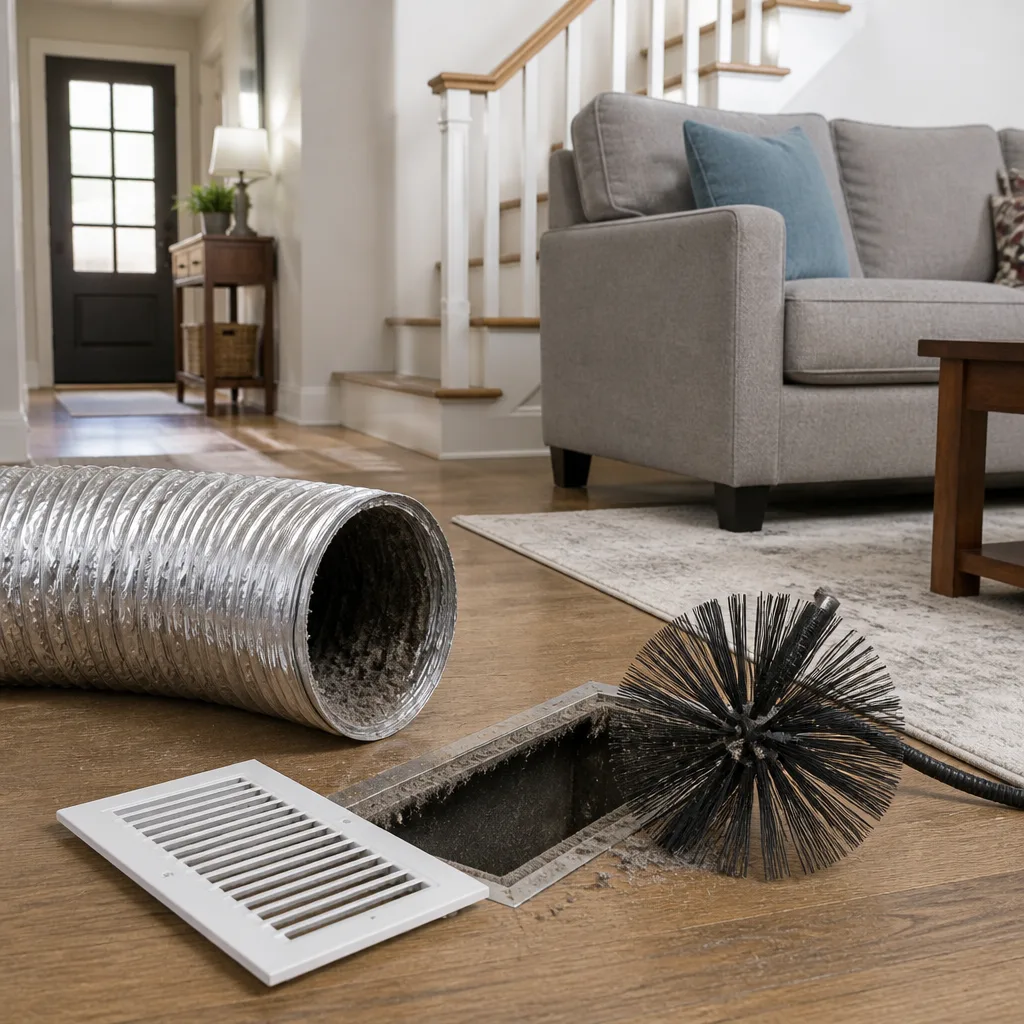 Whole-home duct cleaning
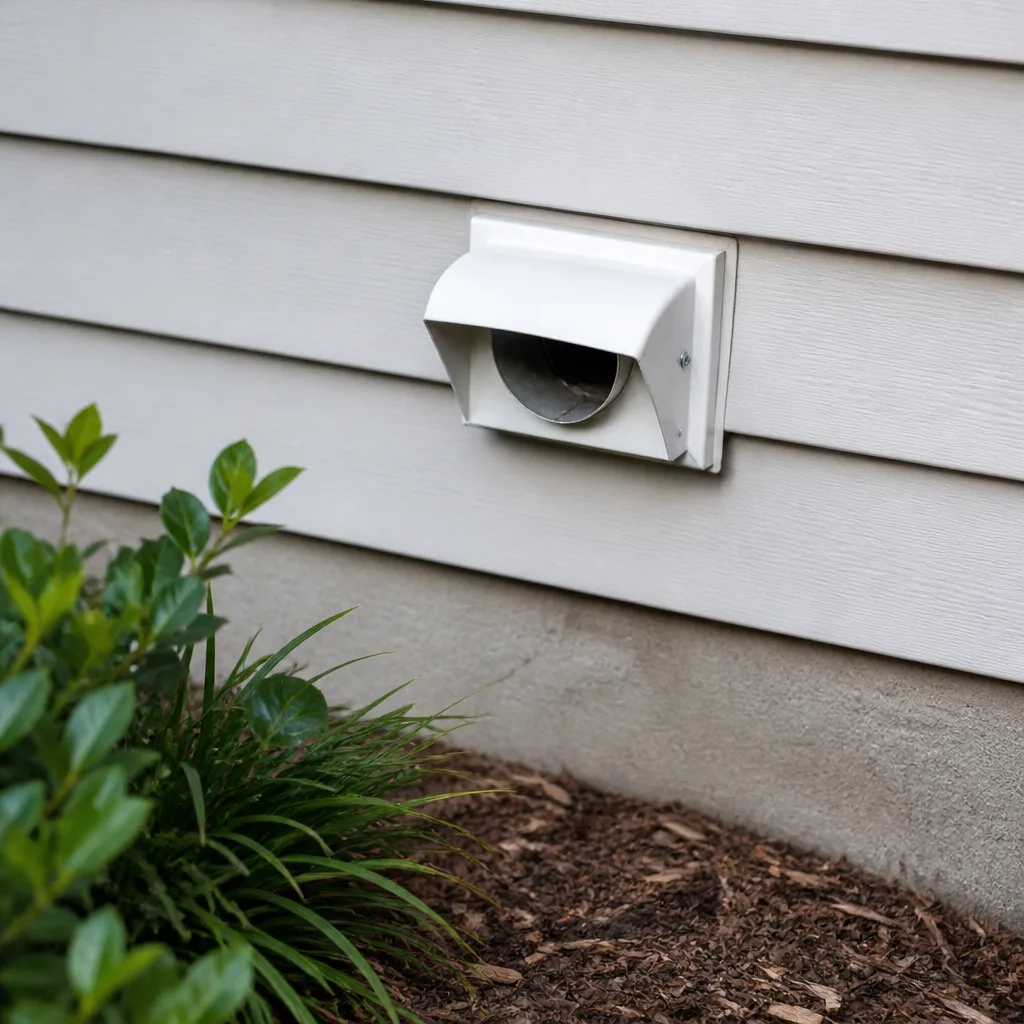 Dryer vent cleaning
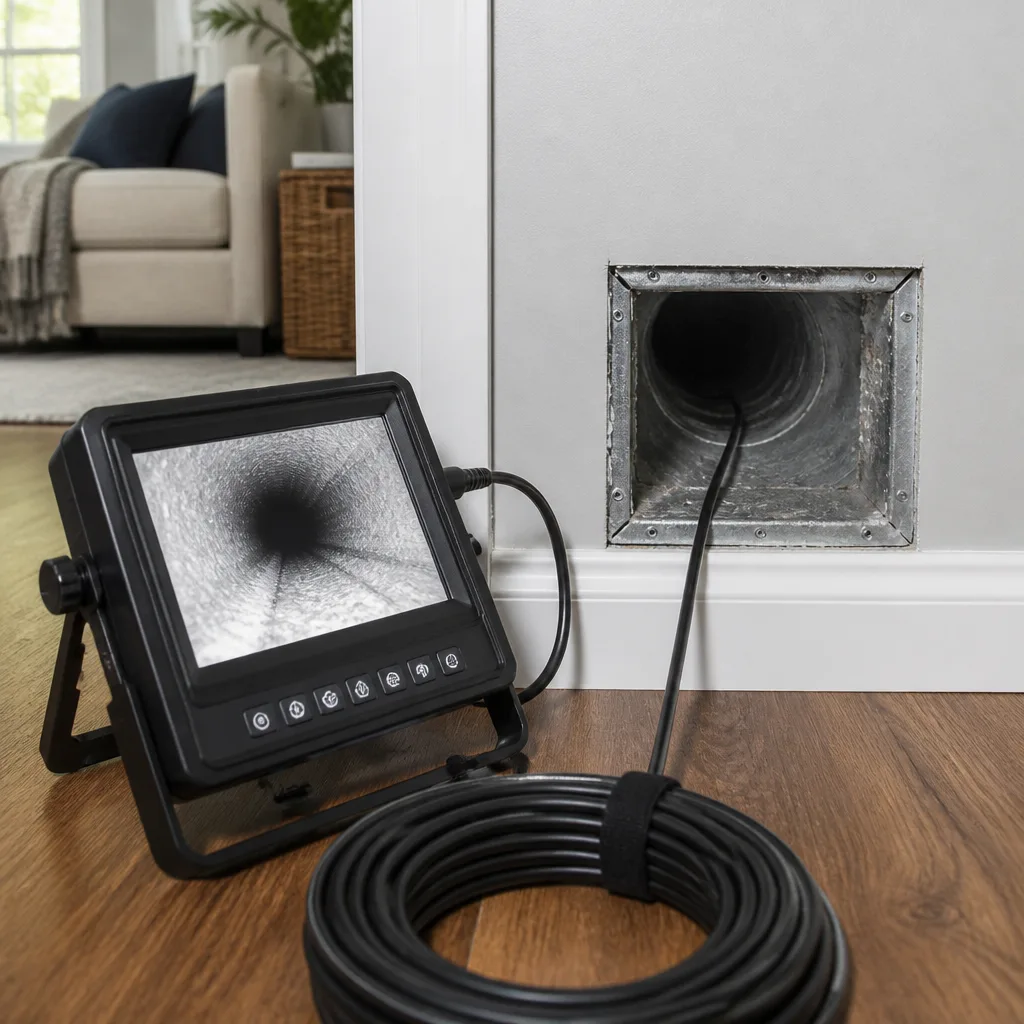 Camera inspection
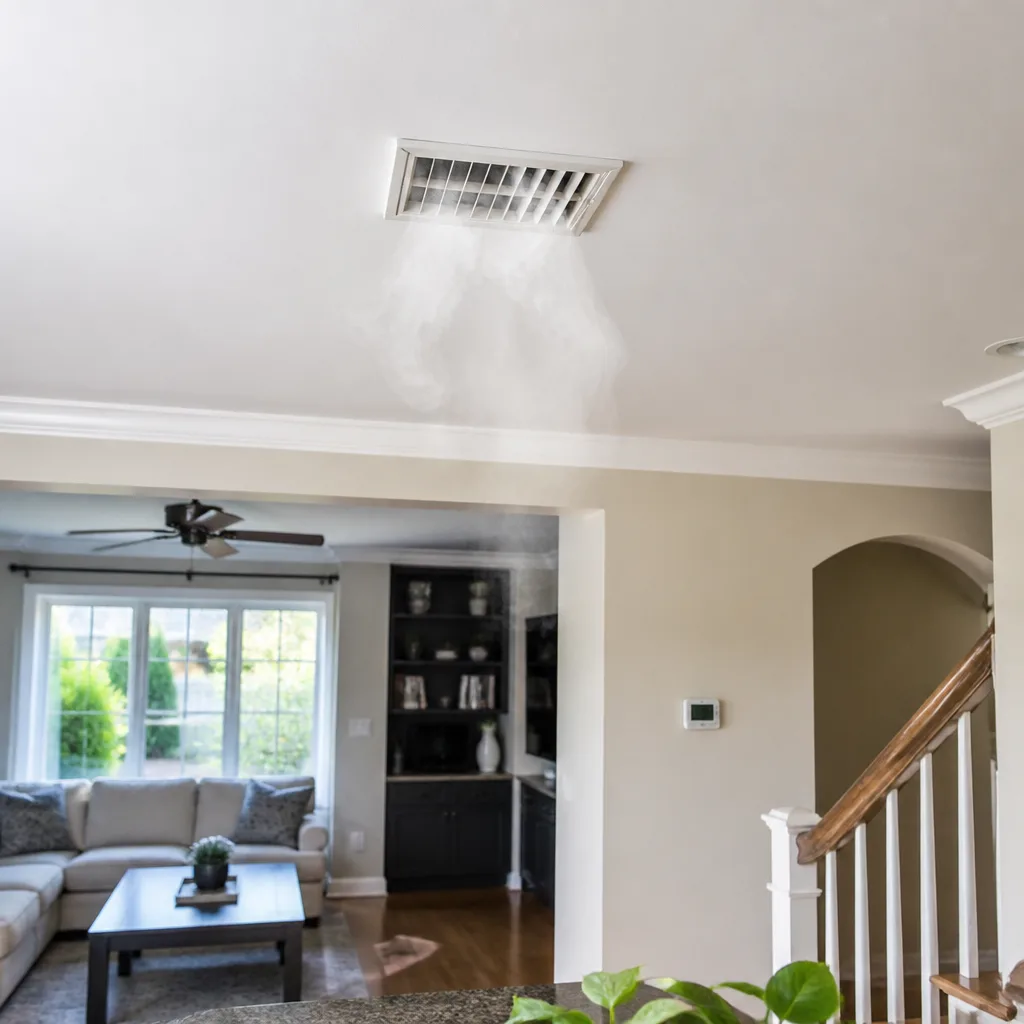 Sanitizing & deodorizing
Whole-system duct and dryer vent check with before-and-after photos - you see exactly what came out of your vents
That "$99 whole-house special" is a bait ad - the real number appears once they are in your hallway, or the "clean" is a shop-vac at the register. We photograph the inside of your ducts before and after instead.
DIY vs Professional Air Duct Cleaning: The Laguna Hills Homeowner’s Decision Guide
A shop vac with a brush duct-taped to the hose can clean the first foot or so of a supply register. That sounds like progress until you do the math: those 12 to 18 inches represent roughly 4% of your system’s total interior surface area. The remaining 96% is buried behind drywall, snaked through attics, and folded into trunk lines that no consumer vacuum can reach with enough force to matter. DIY isn’t dangerous. It’s just mechanically limited, and most tutorials leave that limit out. This guide shows you exactly where it falls, what you can honestly do yourself, and what a Laguna Hills homeowner should hand to a pro.
Quick Answer
DIY air duct cleaning in a Laguna Hills home is worth doing at the register grilles, the visible duct boot inside each vent, and the filter slot, because those are the parts you can actually reach and clean well. Everything past the boot (trunk lines, branch runs, the plenum, the blower housing) needs contractor-grade negative-air equipment and rotary agitation tools to clean properly, and consumer vacuums don’t produce enough suction at the hose end to pull heavy debris out of a long run. If your ducts are overdue or you suspect mold, rodent activity, or a disconnected joint, hire a professional team that documents before-and-after conditions.
Styles & brands we work with
- Whole-home duct cleaning
- Dryer vent cleaning
- Camera inspection
- Sanitizing & deodorizing
Table of Contents
- What DIY duct cleaning can actually accomplish
- The physics problem: why a shop vac can’t clean trunk lines
- When DIY is not just inadequate but counterproductive
- A realistic between-cleaning maintenance routine for Laguna Hills homes
- The break-even point: when DIY effort stops making sense
- What a professional duct cleaning in Laguna Hills actually involves
- Beyond cleaning: repair, sealing, and sanitizing
What DIY duct cleaning can actually accomplish
We want to be fair to the DIY approach, because a meaningful chunk of duct maintenance is genuinely within reach. Register covers collect dust and pet hair faster than anything else in the system, and wiping them down takes five minutes with a microfiber cloth and a spray bottle. The duct boot (the metal or plastic elbow that connects the register to the branch run) is usually accessible if you remove the grille, and a flashlight plus a long-handled brush can knock down loose dust from the first few inches. That work has real value because it’s the part of the system you look at and touch every day.
Here’s what you can honestly handle yourself:
- Register grille cleaning: remove each cover, wash it in warm soapy water, dry it fully, and reinstall. Do this twice a year in a Laguna Hills home, more often if you have pets or keep windows open.
- The accessible duct boot interior: a soft brush and a shop vac at the register opening can clear surface dust from the elbow without touching the flex duct beyond it.
- Filter replacement: changing the HVAC filter on schedule does more for indoor air quality than cleaning the first foot of any duct. Use the MERV rating your system’s manufacturer specifies.
- Return cavity inspection: shine a flashlight into the return plenum (where it’s reachable) to check for visible debris buildup, rodent droppings, or disconnected joints. Look only. Don’t try to clean past what you can see.
That’s the honest ceiling. Everything past the boot interior requires tools that don’t fit in a homeowner’s toolbox. Our air duct cleaning service exists for the 96% you can’t reach, and we say that plainly because we’d rather you know the split than assume a rental vacuum does the job.
The physics problem: why a shop vac can’t clean trunk lines
A typical residential shop vac moves air at roughly 150 to 200 cubic feet per minute (CFM) through a hose, and its static pressure rating drops fast as soon as you attach a long hose with a brush head. Add 20 feet of flex line and a tight turn, and the actual suction at the brush tip falls off dramatically. Professional truck-mounted and portable duct cleaning units from Nikro are engineered specifically for long duct runs: higher CFM combined with much stronger static pressure to maintain suction at the far end of a 40-foot branch line.
Rotary brush systems like those from Rotobrush work on a different principle altogether. A spinning brush head whips through the duct interior, contacting all four walls of the run and agitating dust and debris off the metal or flex liner. A shop vac brush attached to a hose only touches one wall at a time and the operator is guessing at contact. That’s before we get to containment.
Professional cleaning uses negative pressure for a reason. A Nikro negative-air machine or an Abatement Technologies HEPA filtration unit hooks to the main trunk and pulls a slight vacuum on the entire system while cleaning proceeds. Debris and airborne particles move toward the machine, not out into the living room. DIY has no equivalent step, which is why a dusty register cleaned with a shop vac often leaves a film of fine dust on the carpet below.
The other piece homeowners miss is documentation. Any trained pro will scope the system before cleaning so they know what they’re looking at. Our technicians have up to 12 years of experience, and we’ve seen what a hidden disconnected joint or an old rodent nest under a Laguna Hills return plenum looks like when it’s caught on camera. That information matters more than the cleaning itself.
When DIY is not just inadequate but counterproductive
There are specific situations where reaching for the shop vac causes more problems than it solves. The main one is biology. If mold has colonized a section of ductwork (visible as dark speckling or a musty smell that gets worse when the system runs), agitating those colonies without containment sends spores into the air you’re breathing. Professional cleaning surrounds the work with negative pressure and HEPA filtration first, then removes the colony with rotary agitation. Post-cleaning sanitizing using a product like Guardsman addresses what’s residual on the duct surfaces. Doing the agitation step first without the containment is the wrong order of operations.
Three more situations where DIY backfires:
- Compressing flex duct. Flexible duct has a specific internal diameter, and leaning on the liner or pressing a brush too firmly against the wall collapses the spiral, reducing airflow permanently. A compressed run under a Laguna Hills home is a silent efficiency loss you can’t feel but can measure on your energy bill.
- Missing a disconnected trunk joint. Half the “clean your ducts” problems we look at in local homes turn out to be a joint that slipped. Cleaning past it makes the airflow issue worse because more debris moves into the wrong space. Finding it requires scoping the run, which is a professional tool.
- Pushing debris downstream. A shop vac without enough static pressure can loosen dust in a branch line without pulling it out. The debris settles further along the run, closer to the air handler. Cleaning that region with a proper vacuum is more work the second time.
None of this is a scare tactic. If your ducts are lightly dusty and you want to wipe the registers, we genuinely support that. If anything on the list above fits your situation, the honest move is to stop and call.
A realistic between-cleaning maintenance routine for Laguna Hills homes
South Orange County’s climate is dry and dusty, and homes on the inland side of Laguna Hills collect fine dust more aggressively than coastal properties do. That dust is what ends up in ductwork between cleanings, so managing what enters the system matters more than cleaning what’s already inside it. A simple routine keeps the interval between professional cleanings longer.
- Replace the HVAC filter every 60 to 90 days. Use a MERV 8 to MERV 11 filter unless your system specifies otherwise. Higher MERV ratings trap more particles but also add static pressure to the system; if you’ve upgraded to a thick media cabinet filter (Honeywell and Aprilaire both make filter cabinets and air cleaners we install and maintain), the interval may stretch to six months.
- Vacuum register grilles with a brush attachment every month. This takes two minutes per vent. Follow with a damp microfiber wipe to catch what the brush misses.
- Keep return air pathways clear. Don’t block return grilles with furniture. Check that no rug or curtain covers a return opening. Return air has to have room to move.
- Wipe the return plenum reachable face every three months. Dust collects on the metal surfaces where the return meets the filter. Cleaning that face extends filter life.
- Walk the exterior of the system seasonally. Look under the house for disconnected flex line in the crawlspace. That’s a common failure point in South Orange County homes on raised foundations.
- Replace dryer vent hardware (hose, clamps) if it looks worn. See below.
Dryer vent cleaning is a related but separate job from air duct cleaning. A dryer vent clogged with lint is a fire waiting for a spark, and it’s worth treating with real attention. Our dryer vent cleaning work is a dedicated service because the tools and inspection method are different from HVAC ducts. Lint accumulation behind the dryer is not something a homeowner should try to clear blindly with a coat hanger, because the real risk is deeper along the run, past the wall penetration.
Filter management is where we see the biggest gap. Homes that go through filters on schedule stay cleaner for years. Homes that let a filter load up approach professional cleaning intervals faster because the blower works harder and pulls dirty bypass air through worn filter gaskets. If you’re unsure what filter your system spec calls for, look at the label on the air handler access door.
The break-even point: when DIY effort stops making sense
DIY makes sense economically up to a point. Add up your time (a Saturday morning of grille cleaning), the cost of a shop vac and attachments if you don’t own them, brush kits marketed for home use, and the filter replacements that come out of the routine anyway. Stretch that across two or three years of light maintenance and the cumulative cost gets close to a single professional cleaning. What DIY cannot replicate is the equipment, containment, scoping, and documentation that come with a contractor-grade job. That’s the break-even: the point where effort plus consumables approaches professional service and the professional cleaning delivers more coverage in one visit than three years of DIY will.
- DIY is a reasonable choice when: your system was professionally cleaned recently, you have no visible contamination or musty odor, no one in the home has allergies or asthma, and the ducts are accessible for inspection.
- Professional cleaning makes more sense when: the home was recently remodeled, water or moisture got into the system, pets or smokers occupy the household, previous owners’ cleaning history is unknown, or you’re selling or buying a home and want a scoping report.
For most Laguna Hills homes on a five to seven year professional cleaning interval, DIY between cleanings is a smart way to extend the interval. It is not a substitute for the cleaning itself. We don’t sell a maintenance plan here because we don’t have to: the honest answer is that a homeowner’s routine plus periodic professional service covers everything.
What a professional duct cleaning in Laguna Hills actually involves
Professional duct cleaning is a specific sequence of steps, not a big vacuum dropped into a register. When done right, a typical Laguna Hills home job follows a predictable order. We’re describing the method here so you can compare it against what any contractor tells you they’ll do, whether that’s us or someone else.
- System inspection and scoping. Before cleaning, a camera goes into the trunk and a sample of branch lines. The technician records what’s inside. Disconnected joints, mold, rodent evidence, and debris depth get identified here.
- Setting up containment. A negative-air machine (Nikro units in our case) or HEPA filtration (Abatement Technologies) hooks to the system and pulls a slight vacuum. This is what stops dust from re-entering the living space during cleaning.
- Source removal with rotary agitation. A Rotobrush-style rotary brush drives through each branch and trunk line, contacting all four duct walls. Loose debris moves into the collection airstream. Vacuum-only cleaning, without agitation, is only half a job.
- Supply and return cleaning. Grilles removed and washed, boots cleaned, blower compartment vacuumed. The air handler and coil get attention in our HVAC cleaning scope when it’s called for.
- Post-cleaning scoping and documentation. The camera goes back in. Same run, same camera position, before-and-after. If a joint was disconnected, this is when it’s confirmed closed, and this is where our Laguna Hills Air Duct Cleaning work stands apart from the vacuum-only crowd.
- Sanitizing (if needed). When biological contamination is present, a post-cleaning treatment with Guardsman or an equivalent applies to duct surfaces. It’s not a routine upsell; it’s a targeted step.
The whole job typically takes two to four hours for a single-system home. What you’re paying for is the equipment, the containment, the agitation, and the documented proof the work happened. None of those steps can be replicated with consumer gear.
Beyond cleaning: repair, sealing, and sanitizing
Clean ducts are the beginning, not the finish line. If a joint leaks or a branch line is disconnected, cleaning the ducts and leaving the joint open means the system recontaminates faster than it should. That’s why we cover the full duct lifecycle in one service relationship: cleaning, repair, sealing, and sanitizing together, with filter and air quality components in the same scope. It’s also why we install and maintain Honeywell and Aprilaire components: the cleaning is one part of a system that has to work as a whole.
Sealing matters more than most homeowners realize. A disconnected or leaky duct in a Laguna Hills attic or crawlspace pulls unconditioned air (sometimes with attic dust, sometimes with insulation fibers) into your living space every time the system runs. Sealing the leak closes that pathway. Applying mastic or code-approved tape at the joint is the fix, and it has more effect on air quality than the cleaning step alone.
Air quality treatment goes past debris removal. If the home has had water damage, if a previous owner smoked, or if the smell in the ducts suggests biological growth, post-cleaning sanitizing with a product line like Guardsman targets mold spores, bacteria, and common allergens. That’s a service we take seriously and only recommend when the before-cleaning scoping actually justifies it.
Common Mistakes to Avoid
- Assuming a shop vac equals a duct vacuum. Two different tools with different physics, as covered above. A shop vac has its place at the register and nowhere past it.
- Cleaning the registers and calling it done. Registers are the visible 4%. The trunk and branch lines are what actually deliver air to a room, and they’re what a full cleaning addresses.
- Running a dryer vent brush down the vent yourself. Dryer vents can trap lint past the wall penetration, and a brush that dislodges a clump can push it deeper and toward a heat source. This is one to hand to a pro, and it’s why we keep dryer vent cleaning as a dedicated service rather than a tack-on.
- Spraying any “duct sanitizer” into a running system. Sanitizers are meant to be applied to the duct surface after cleaning and in a controlled way. Aerosol sprays into a live air handler coat the coil with residue.
- Ignoring a musty smell. Mold in ductwork does not resolve on its own. In our experience, an odor that gets stronger when the system runs is the clearest signal to stop and get it scoped, not cleaned again.
- Hiring a bid that doesn’t include scoping or after-photos. If the contractor can’t show you before-and-after footage of your ducts, you have no way to verify the work happened. That’s the industry’s stuck problem, and it’s why every job we do produces a documented record.
- Letting a coupon price decide the job. A teaser price almost always turns into a large invoice once the technician is on site. A single flat price per system agreed before work starts, with the estimate in writing, is the only number that means anything.
See the difference
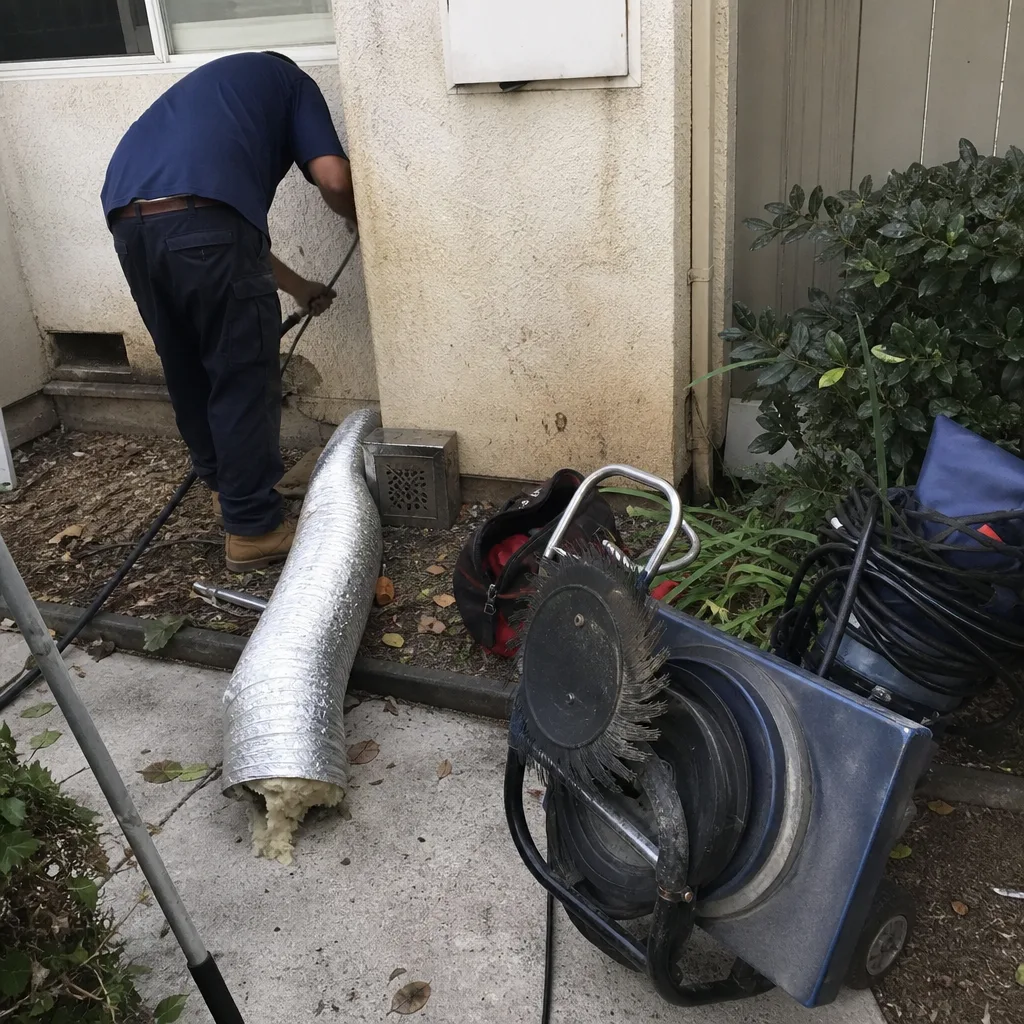 Before
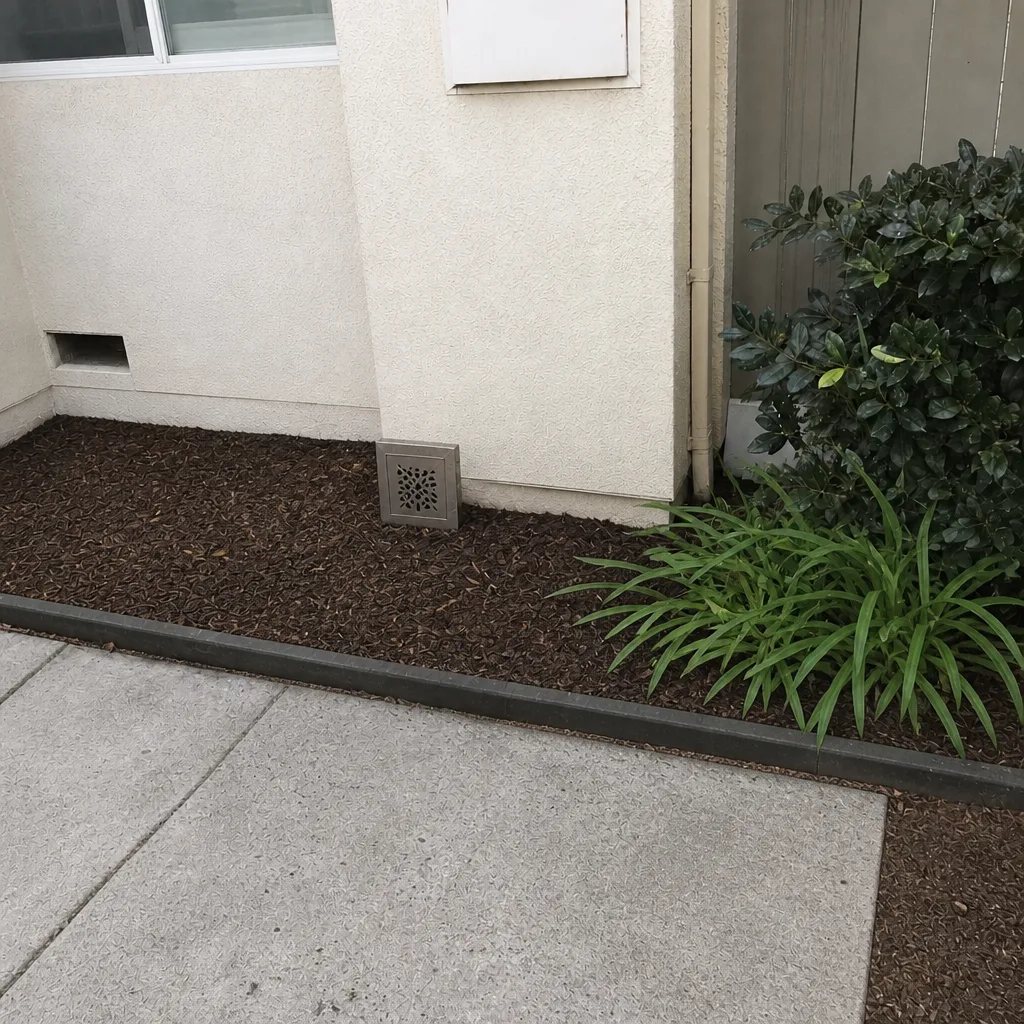 After
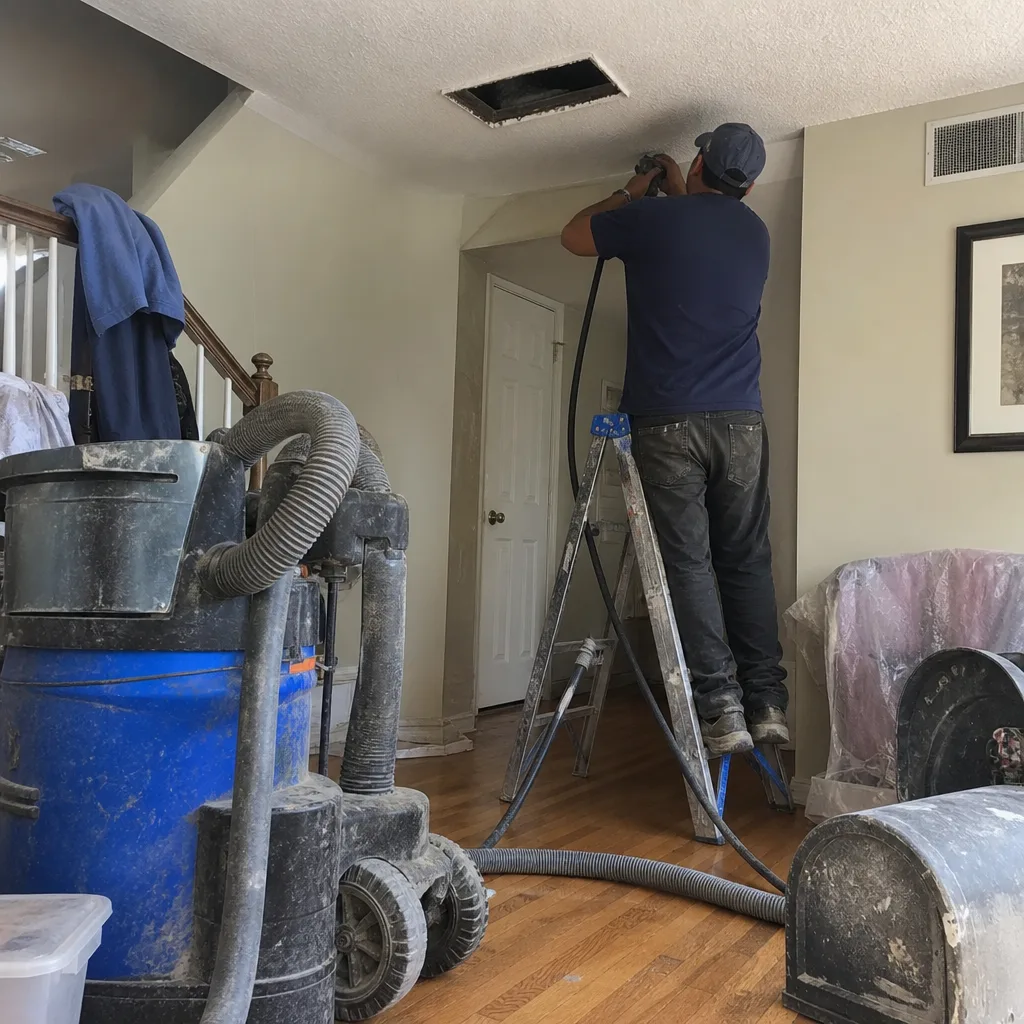 Before
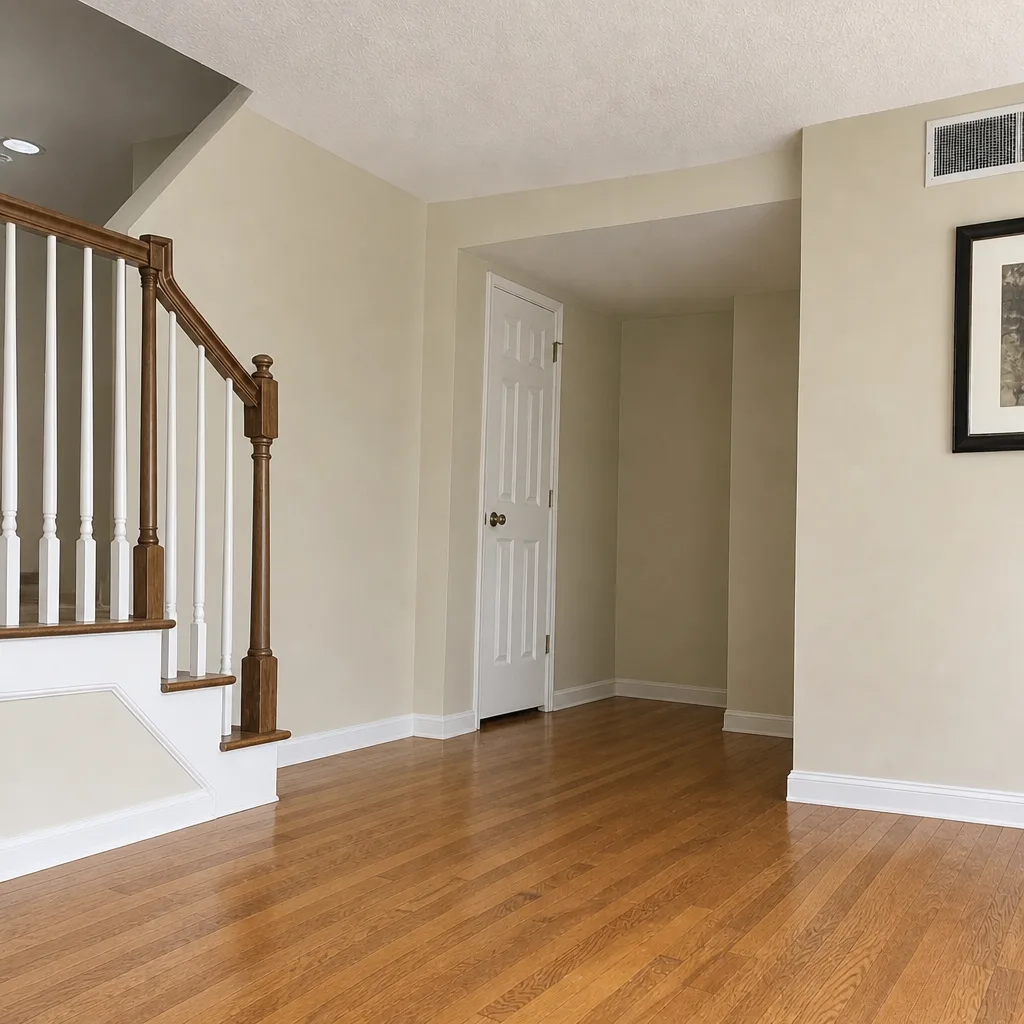 After
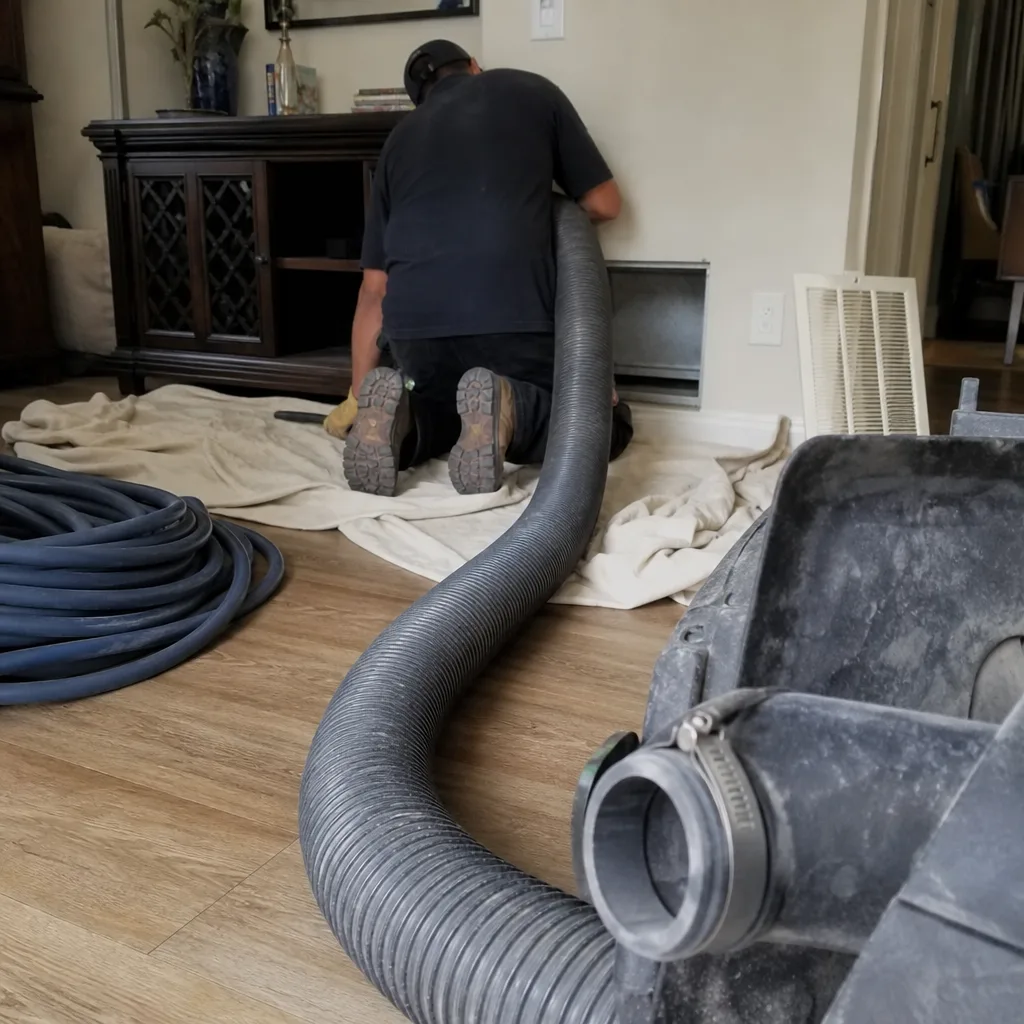 Before
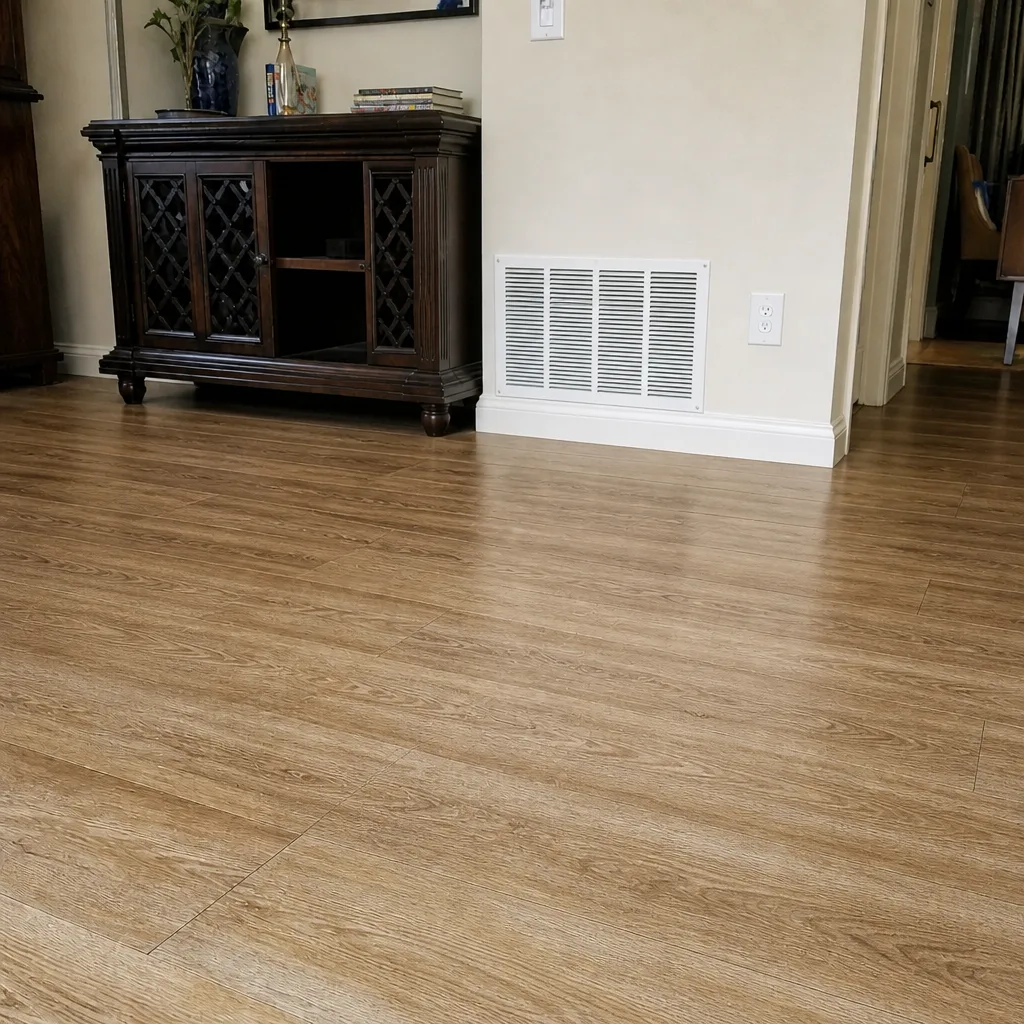 After
When to Call a Professional
Call a professional if any of the following fits: the home has been remodeled within the past two years (construction dust gets into return pathways fast), there’s a musty smell that gets stronger with the system on, someone in the household has asthma or allergies that seem worse indoors, you’ve seen rodent droppings near a register or plenum, the previous owner’s cleaning history is unknown, or the ducts have never been cleaned and the home is more than a decade old. Also call if a dryer vent has never been serviced; lint accumulation is the leading cause of dryer fires in U.S. homes, and it’s not something to test yourself. Laguna Hills Air Duct Cleaning offers free estimates in Laguna Hills. Call (888) 435-4470.
Frequently Asked Questions
Yes, at the register grilles, the accessible boot interior, the filter slot, and the visible plenum. Those are the parts you can reach and clean well, and doing them regularly extends the interval between professional cleanings. Past the boot interior, DIY falls off a cliff. Everything past that point requires contractor-grade equipment to do properly.
Air duct cleaning in Laguna Hills is priced per system, not per vent, and a written estimate sets the final number. Some companies quote per-vent teaser prices that grow once the technician is on site, which is why we only work with one flat price per system agreed before work begins. Call (888) 435-4470 for an exact quote, and estimates are free.
Because a cheap quote usually describes a much smaller job: vacuum-only surface cleaning without rotary agitation, no containment, no scoping, no documentation, and often just the visible runs. That’s a different service with a different result. A proper cleaning involves negative pressure, rotary brushes, and before-and-after photographs of your own ducts. Ask any contractor what’s included before you compare prices.
Before-and-after photos and scope video from inside your own ductwork are the proof. Every job we do produces a documented before-and-after record. A contractor who won’t scope the ducts before cleaning or won’t show you footage after is asking you to take their word for it, and this industry has a well-earned reputation for exactly that.
Most homes need professional duct cleaning every five to seven years; homes with shedding pets, recent remodeling, or allergy-sensitive occupants tend to need it more often. Heavy dust in South Orange County homes accelerates accumulation. The honest answer for a specific home always comes from scoping the ducts, not from a rule of thumb.
Yes, in specific ways. Pressing a brush too firmly against a flex duct compresses the liner and permanently reduces airflow. Pushing debris past a disconnected joint without finding it makes the problem worse. Agitating mold colonies without containment spreads spores into the living space. None of these are catastrophic, but each one turns a maintenance job into a repair.
The Bottom Line
DIY air duct cleaning has a real place in a Lagunda Hills home’s maintenance routine: grilles, boot interiors, filters, and flashlight-level inspection of the return. That’s the honest ceiling. Trunk lines, branch runs, plenums, and air handler housings need negative-air equipment, rotary agitation, and post-cleaning scoping to clean and verify. When you’re choosing between more DIY and hiring a pro, decide based on whether your ducts are lightly dusty (keep doing your routine) or actually contaminated (call). If it’s the second one, one flat price per system, in writing, with before-and-after scoping you can see, is the right way to buy the job. Call (888) 435-4470 for a free estimate. We answer 24/7. Fast dispatch from 7am to 7pm, Sunday through Friday.
Written by the team at Laguna Hills Air Duct Cleaning.